
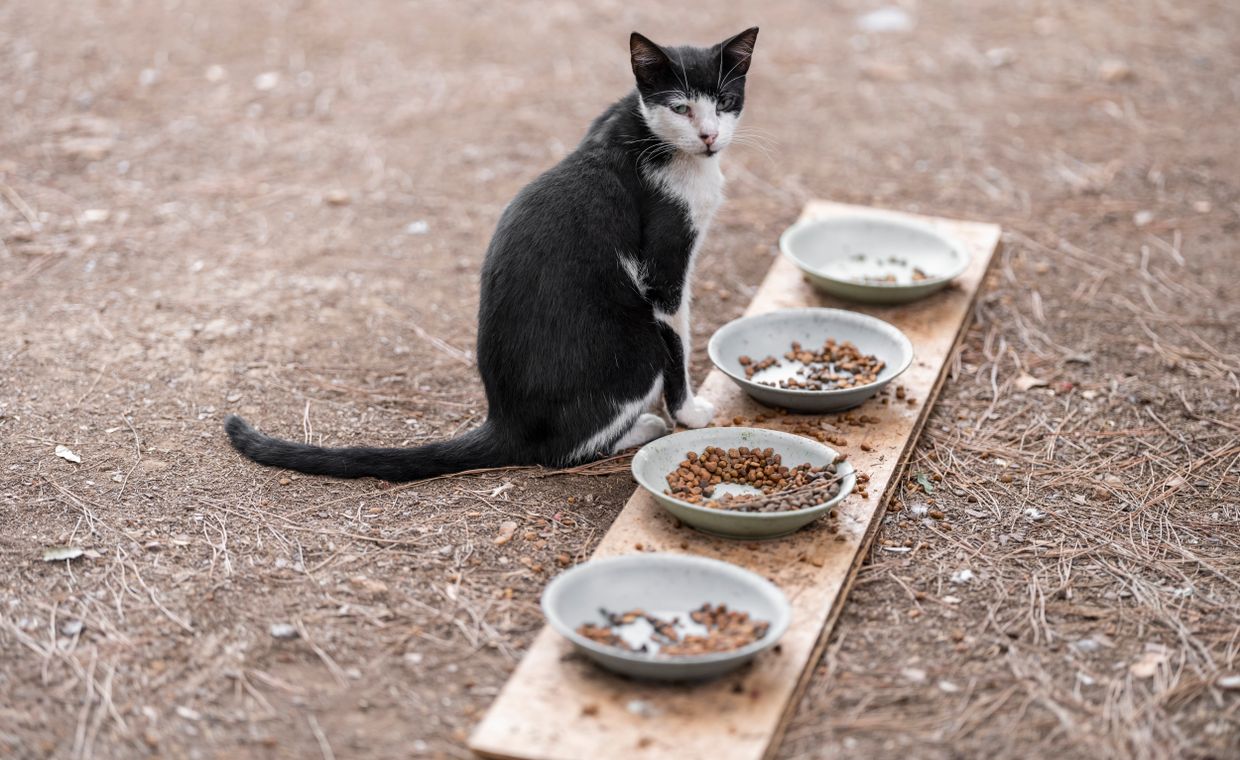
You put down the bowl. Your cat walks over, sniffs it for exactly two seconds, gives you a look that could curdle milk, and walks away. Twenty minutes later you find the same food untouched, slightly crusted at the edges, and your cat sitting by the cupboard demanding something better.
I hear about this constantly, and I have lived it with my own tabby who once went on strike over a food she had loved for a year. Picky eating in cats is real, but it is rarely random. There is almost always a reason, and most of the time you can work with it.
Here is how I work through a fussy eater, from the simple fixes that solve most cases to the signs that mean it is time to call your vet.
First, Rule Out That Something Is Wrong
Before you blame personality, rule out pain and illness. A cat who suddenly refuses food she used to inhale is telling you something, and dental disease is one of the most common culprits. Sore gums or a cracked tooth make chewing kibble miserable.
Nausea, kidney issues, and infections can also flip a good eater into a picky one overnight. The pattern matters. Lifelong fussiness is usually habit and preference, while a sharp change in a previously enthusiastic cat is a health question first.
Your cat refuses all food for more than 24 hours, is losing weight, drooling, vomiting, or hiding. Cats who stop eating can develop a serious liver problem called hepatic lipidosis surprisingly fast, especially if they are overweight. This is not a wait-and-see situation.
Check the Bowl, the Spot, and the Routine
Sometimes the food is fine and the setup is the problem. Cats are particular about where and how they eat, and small annoyances add up.
Deep, narrow bowls press on a cat's whiskers with every bite, which some cats genuinely dislike. A wide, shallow dish or a flat plate solves that in one move. I have watched fussy cats clean their plate after nothing changed except the shape of the dish.
Location matters too. A bowl next to the litter box, in a busy hallway, or beside a noisy appliance can put a cat off. So can a bowl too close to the water dish, since many cats prefer their food and water apart.
Quick setup wins to try this week:
- Swap to a wide, shallow ceramic or glass bowl (plastic can hold odors and irritate some cats' chins).
- Move the feeding station to a calm corner away from the litter box.
- Wash the bowl after every wet meal so it never smells stale.
- Feed on a predictable schedule instead of grazing, so your cat arrives hungry.
Make the Food Smell Like Something Worth Eating
Cats eat with their noses far more than their tongues. A cat with a stuffy nose or a plate of cold, dried-out food often refuses not because of taste but because there is no smell to trigger interest.
Warming wet food to around body temperature wakes up the aroma. A few seconds in the microwave, or a splash of warm (not hot) water stirred in, can turn a rejected bowl into an eaten one. Always stir and test it so there are no hot spots.
Texture is its own lever. Some cats want pate, others only eat chunks in gravy, and a few will only touch shredded. If your cat refuses everything, it is worth reading up on the real differences in wet vs dry cat food, because moisture and mouthfeel often decide the whole meal.
Change Food the Slow Way, Not the Dramatic Way
Here is where a lot of owners accidentally create a picky cat. You buy a new food, your cat sniffs and walks off, so you rush out for another, and another. Now your cat has learned that refusing food makes better food appear.
Cats are also neophobic, so new things can read as threatening rather than exciting. A food dropped in cold turkey often gets rejected on principle, not flavor. Mix a small amount of the new food into the current one and shift the ratio over 7 to 10 days. My walkthrough on how to transition pet to new food covers the day-by-day ratios if you want a schedule to follow.
Give any new food a few days of honest trials before you decide it failed. One sniff-and-snub is data, not a verdict. Cats often accept on the third or fourth offering what they rejected on the first.
Stop the Habits That Train Fussiness
Free-feeding dry food all day is convenient, but it also means your cat is never truly hungry at mealtime, so the fresh wet food you offer competes with a bowl that is always full. A cat who eats twice a day arrives at the bowl actually hungry.
Treats and table scraps quietly sabotage appetite too. A few pieces of chicken here, a lick of tuna water there, and the balanced food starts to look boring by comparison. If your cat seems to want food constantly yet snubs meals, it is worth understanding why cat always hungry behavior happens, because begging and genuine hunger are not the same thing.
Warming and topping food is a fine tool, but be careful not to teach your cat that only the fancy version counts. If a favorite topper becomes mandatory, you have simply moved the pickiness, not solved it.
A Quick Comparison of Common Fixes
Not every trick fits every cat, so here is how the common approaches stack up when you are deciding what to try first.
| Approach | Best for | Watch out for |
|---|---|---|
| Warm the wet food | Cats ignoring cold or stale-smelling meals | Test temperature; never serve hot |
| Switch bowl shape | Whisker-sensitive cats, chin irritation | Skip plastic; choose ceramic or glass |
| Move the feeding spot | Anxious or easily startled cats | Keep it away from litter and noise |
| Scheduled meals | Grazers who snub fresh food | Do not let meals stretch too far apart |
| Slow food transition | Cats refusing anything new | Rushing it can cause stomach upset |
| Add a small topper | Tempting a reluctant eater short term | Can become a demand if overused |
Read the Label, Not the Marketing
Many premium foods are engineered to smell and taste intensely appealing, which can make an ordinary balanced food seem dull to a cat hooked on the flashy stuff. That does not make the fancier option better nutritionally. It just makes it more addictive to your cat's nose.
Look for a food that lists a named animal protein early and carries a complete-and-balanced statement for your cat's life stage. Words like gourmet, premium, and natural are marketing, not nutrition standards.
A picky cat is usually a cat with a preference you have not decoded yet, not a cat you need to bribe with the most expensive can on the shelf.
When to Stop Experimenting
Trial and error is fine when your cat is otherwise bright, active, and holding weight. It is not fine when she is skipping meals for a day or more, dropping weight, or acting off.
If a previously happy eater turns fussy without any change on your end, treat that as a medical flag rather than a preference. Your vet can check teeth, run bloodwork, and rule out the causes you cannot see from the kitchen floor.
The short version: Rule out illness first, especially with sudden changes. Fix the bowl and the setting. Warm the food to boost aroma. Transition new foods slowly over a week. Feed on a schedule so your cat arrives hungry. And when refusal comes with weight loss or other symptoms, call your vet.
How long can a cat safely go without eating?
Not long. If your cat eats nothing for 24 hours, contact your vet, and treat it as urgent for overweight cats, who can develop serious liver problems quickly. A day of true fasting is a genuine concern, not typical stubbornness.
Should I just keep switching foods until she likes one?
No. Rapid switching often teaches a cat that refusing food produces something tastier, which deepens the pickiness. Pick a quality food and transition to it slowly, giving each option several honest trials before you decide it failed.
Is it bad to warm my cat's food in the microwave?
It is fine when done carefully. Aim for roughly body temperature, stir well to remove hot spots, and always test it first. The goal is to release aroma, not to cook the food, so a few seconds is usually plenty.
Feeding a fussy cat is less about winning a battle and more about listening to what she is trying to tell you. Start with the simple fixes, change one thing at a time so you know what worked, and call your vet whenever a healthy appetite disappears. Most picky cats come around once you find the small thing that was bothering them. Give it a patient week, and see what your cat votes for.