
I noticed it on a Tuesday. My neighbour's terrier was sniffing his water bowl, stepping back, and walking off without a single lap. The bowl had a faint film around the rim and a stray kibble floating on top. He wasn't being fussy. He was telling us something.
Hydration is one of those quiet things that rarely sets off alarms until it does. Pets don't drink to a schedule, they don't complain, and a slightly low intake can drift along for weeks before anyone notices a hard stool or a sluggish afternoon. The good news: most of the reasons pets under-drink are small, fixable habits in our control, not theirs.
Here are six mistakes I see most often, why each one matters, and the practical fix you can put in place today.
1. The bowl is dirtier than you think
Run a finger around the inside of your pet's water bowl right now. If it feels slick, that's biofilm: a slippery bacterial layer that builds up fast, especially in warm rooms. To us it looks like clean water. To a sensitive nose, it smells off.
Why it matters: cats and dogs read scent before they drink. A bowl that smells stale can quietly suppress intake, and a grimy bowl is also a comfortable home for bacteria you'd rather not cultivate.
Wash the bowl with hot soapy water once a day, not once a week. Stainless steel or ceramic resists biofilm far better than plastic, which scratches and traps odours. Keep a second bowl in rotation so there's always a clean one ready.
2. You put the water next to the food (and the litter box)
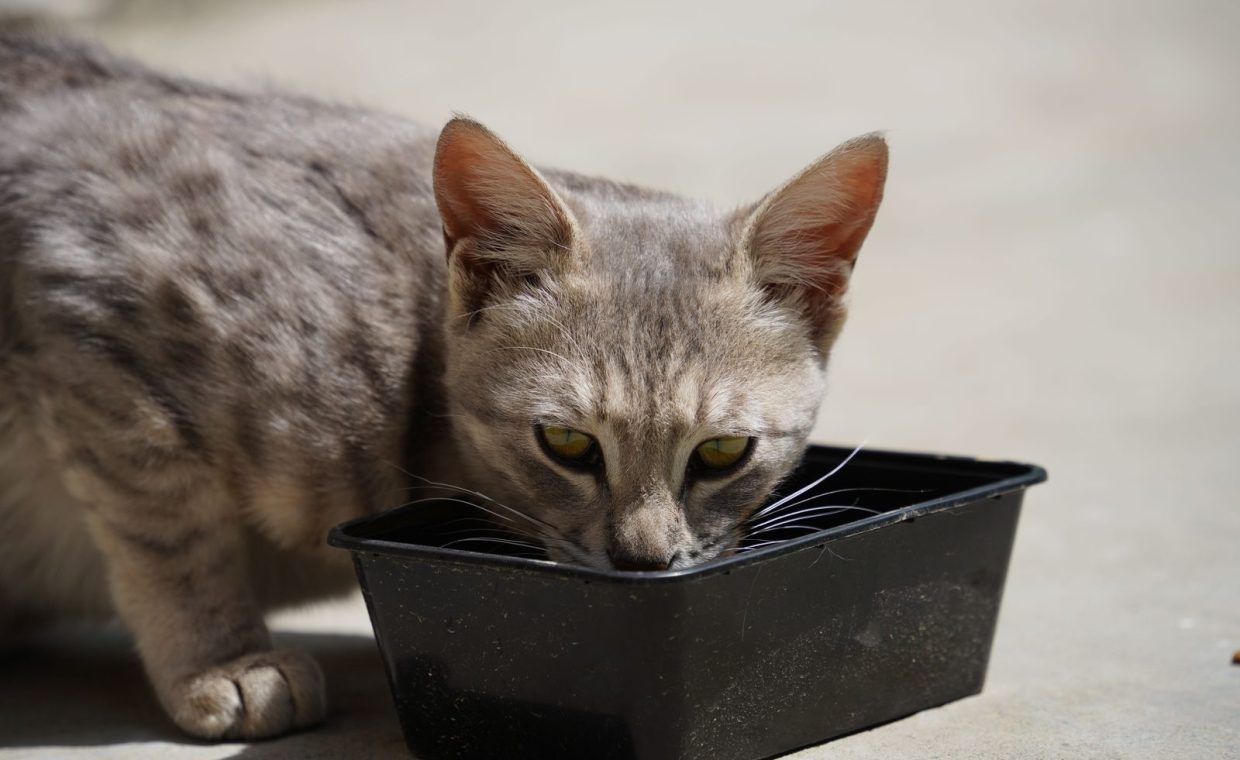
This one surprises people. Many of us set the water bowl right beside the food bowl because it's tidy. Cats in particular often dislike that arrangement. In the wild, they instinctively keep drinking water away from a "kill" to avoid contamination, and that instinct lingers on the kitchen floor.
Why it matters: placement alone can be the difference between a pet who drinks freely and one who barely sips. Water tucked next to a litter box, or in a noisy high-traffic corner, gets avoided too.
The fix is simple. Move the water a few feet away from food and litter, into a calm spot your pet already likes to rest. Better yet, offer water in more than one room so a drink is never more than a short walk away.
3. You rely on one bowl for the whole house
A single bowl assumes your pet will always travel to that one location when thirsty. Older dogs with stiff joints, cats who guard territory, and households with stairs all break that assumption.
Why it matters: the easier you make drinking, the more they drink. Multi-cat homes especially benefit, because a shy cat won't queue behind a confident one at the only watering hole.
A good rule of thumb for cats is one water station per cat, plus one extra. For dogs, place a bowl on each floor they use and near their favourite napping spot. Refresh every station daily.
4. You feed dry-only and forget moisture comes from food too
Cats evolved as desert animals with a low thirst drive, designed to get most of their water from prey. Feed an exclusively dry diet and you remove that built-in moisture, leaving the bowl to do all the work, work many cats simply don't do.
Why it matters: chronically low moisture intake is hard on the urinary system over time, and it's one reason vets often nudge cat owners toward at least some wet food. Dogs are more flexible, but moisture from food still helps picky or older drinkers.
Food choices feed into this, which is exactly why it helps to understand the trade-offs in the differences between wet and dry food before you commit to one style. If you're scanning packaging to compare moisture content, it also pays to know how to read a pet food label without being misled, since "moisture" percentages aren't always what they appear at a glance. Ask your own vet before changing a pet's diet, particularly if they have a medical condition.
5. You let the water go warm, flat, and stagnant
Water sitting out all day in a warm room turns tepid and loses the fresh, slightly oxygenated quality that many pets prefer. Some dogs and a lot of cats are clearly drawn to moving water. You've probably watched a cat ignore a full bowl to drink from a dripping tap.
Why it matters: freshness and a little movement can meaningfully bump up intake in reluctant drinkers, and that's a low-cost lever you control.
Top up with fresh, cool water at least twice a day rather than just refilling around the edges. For a tap-obsessed pet, a pet water fountain keeps water circulating and filtered, and many fussy cats drink noticeably more once one appears. Clean the fountain on schedule, though; an unwashed pump grows the same biofilm a bowl does.
6. You don't track intake, so you miss the early warning signs
Most owners couldn't say how much their pet drinks in a day, which means a real change sneaks past unnoticed. A sudden spike in thirst, or a sudden drop, can be an early signal worth a conversation with your vet.
Why it matters: catching shifts early is the whole point. A pet who starts emptying the bowl far faster than usual, or who turns away from water they used to finish, is giving you information you don't want to ignore.
Get a rough baseline by filling the bowl to the same line each morning and noticing how much is gone by night. You don't need lab precision. You need to know your pet's normal so you can spot abnormal. That habit of paying attention is the same instinct behind how small, early observations spared one family a major vet bill: little things, caught early, stay little.
A sharp increase or decrease in drinking, signs of dehydration like sunken eyes, tacky gums, or lethargy, or any collapse, repeated vomiting, or distress all warrant prompt veterinary attention. For emergencies (trouble breathing, seizures, suspected poisoning, or a bloated, hard abdomen) contact an emergency clinic right away rather than waiting.
A simple daily hydration routine
None of these fixes is dramatic on its own. Stacked together, they quietly remove every excuse your pet has not to drink.
Wash bowls with hot soapy water; refill with fresh, cool water twice a day; keep at least one extra station away from food and litter; offer some moisture through food where your vet agrees; and glance at how much disappeared by evening. Five small steps, one well-hydrated pet.
How much water should my pet drink each day?
As a loose guide, dogs and cats need roughly an ounce of water per pound of body weight daily, though food moisture, weather, and activity shift that a lot. Rather than chasing an exact number, learn your own pet's normal and flag big changes to your vet.
My cat ignores the water bowl but drinks from the tap: is that a problem?
It's common and usually just a preference for moving, fresher water. A pet fountain often solves it neatly. If a cat suddenly starts drinking far more than before, mention it to your vet, as increased thirst can have medical causes.
Can I add water or broth to food to boost hydration?
Adding a little warm water to wet or soaked food is a gentle way to sneak in moisture, and many pets enjoy it. Skip onion- or garlic-containing broths, which aren't pet-safe, and check with your vet before changing the diet of a pet with health issues.
Hydration isn't a single grand gesture. It's a handful of tiny habits you barely notice once they're in place. Pick one fix from this list and put it in motion today, then add another next week. Your pet won't thank you in words, but you'll see it in steadier energy, easier digestion, and a bowl that actually gets used.