
The first dog I ever trained professionally was a wiry little terrier named Biscuit who froze whenever a stranger raised a hand. His owner kept asking me, "But is he happy?" That question stuck with me. Most of us can spot a miserable dog, but a content one is quieter, subtler, easy to miss in the chaos of a normal Tuesday.
Happiness in dogs isn't one big tail-wagging moment. It's a hundred small tells stacked together: how they sleep, how they greet you, what they do when nothing is happening at all. After years on the training floor, I've learned to read those tells the way you'd read a friend's mood across a crowded room.
Here are the signs I watch for, the ones that tell me a dog feels safe, settled, and genuinely glad to be alive in their own home.
1. A loose, wiggly body instead of a stiff one
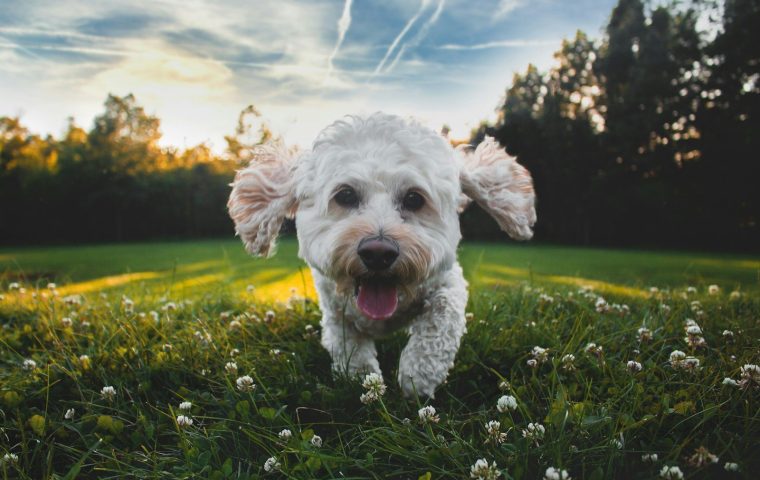
Forget the tail for a second and look at the whole dog. A happy dog carries a soft, almost rubbery body. The shoulders are relaxed, the hips sway, and when they wag, the wag travels up the spine until the whole back half is involved.
A stiff, frozen posture is the opposite signal, even if the tail is technically moving. I've watched plenty of owners misread a high, tight wag as joy when the dog was actually on edge. The wiggle is the giveaway. Loose equals comfortable.
2. Relaxed eyes and an open, easy mouth
Dogs tell you a lot with their faces if you slow down enough to look. A content dog has soft, almond-shaped eyes with no white showing around the edges, and a slightly open mouth that almost looks like a smile.
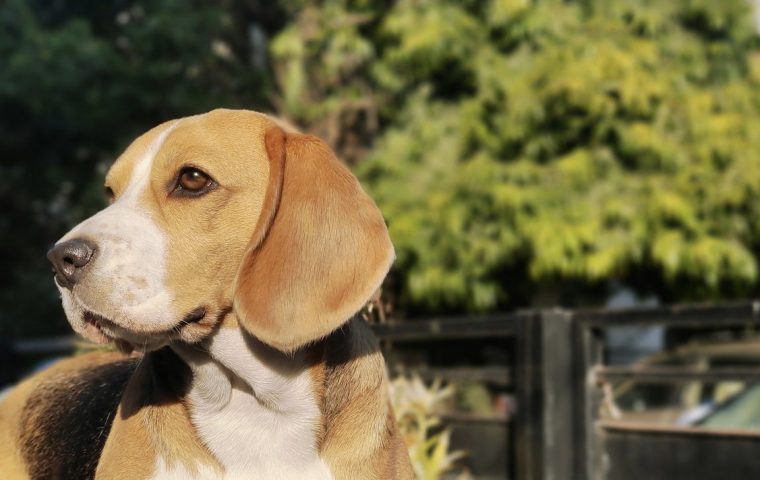
When you see hard, round eyes with that crescent of white (trainers call it "whale eye"), or a mouth clamped tightly shut, the dog is feeling pressure. Watch your own dog dozing on the couch. That gentle, half-lidded gaze is one of the purest happiness cues there is.
Take a few phone photos of your dog when they're genuinely relaxed at home. Having a "calm baseline" to compare against makes it far easier to notice when something is off.
3. They eat, sleep, and toilet on a steady rhythm
Boring as it sounds, routine is one of the loudest signals of a happy dog. A content dog eats with enthusiasm, sleeps deeply (often flopped on their side or belly-up), and has predictable bathroom habits.
When happiness slips, these basics are usually the first dominoes to fall. A dog who suddenly stops eating, hides to sleep, or has changes in their bathroom routine is telling you something. If those shifts last more than a day or two, that's a conversation for your veterinarian, not something to wait out.
4. They bring you things and start the games
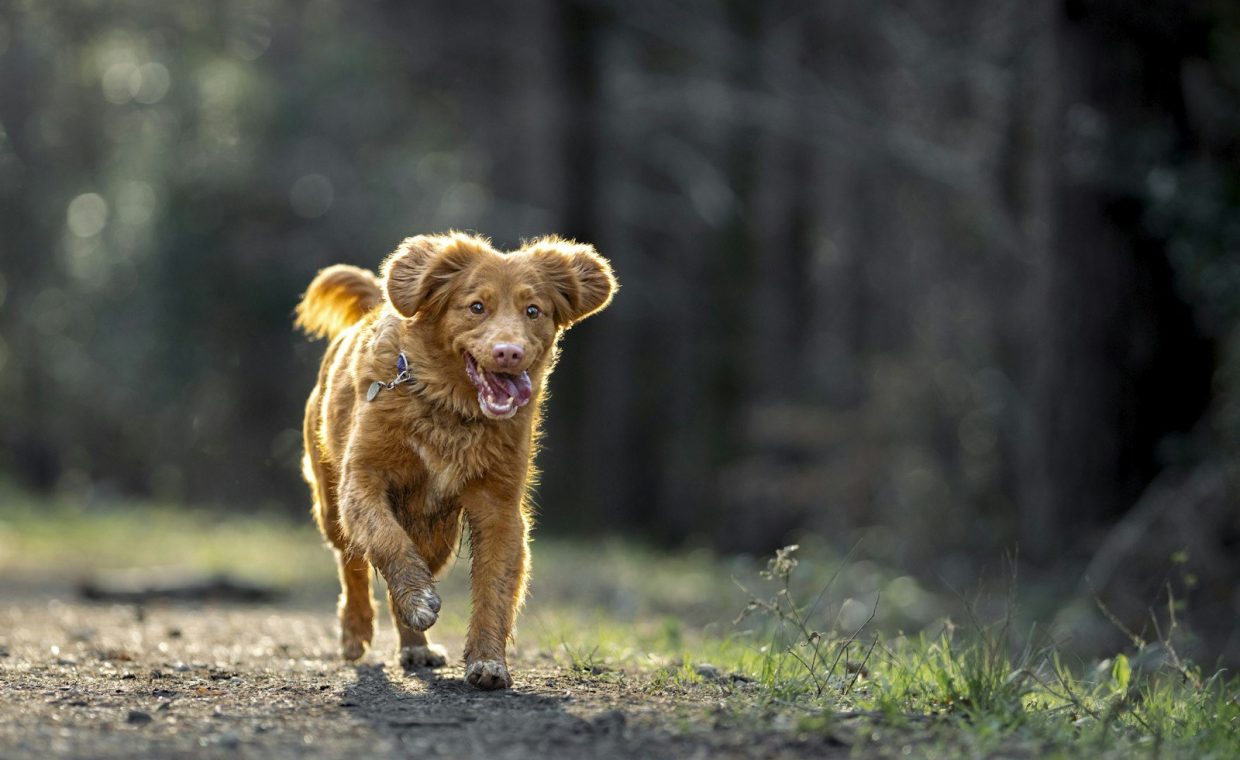
One of my favorite signs costs you nothing: the dog who initiates. A happy dog drops a slobbery tennis ball in your lap, does a play bow with their front end down and rear up, or trots over with a toy just to show you they have it.
That's a dog choosing to engage with you. It means they feel safe enough to be playful and they see you as a source of good things. Biscuit, the nervous terrier I mentioned, didn't offer a single play bow for nearly three weeks. The morning he finally did, I knew we had turned a real corner.
5. Curiosity wins out over caution
Watch how your dog meets the world. A content dog explores. They sniff the new box in the hallway, investigate a strange sound with interest rather than dread, and recover quickly when something startles them.
This confidence shows up beautifully in training, too. Dogs who feel secure learn faster because they're not spending energy on worry. It's one reason I tell owners that teaching skills like a rock-solid recall that brings your dog back every time does double duty. The training builds the bond that makes a dog happier, and a happier dog learns the skill more readily.
Confidence and contentment feed each other. A dog who trusts that the world is mostly safe will explore, play, and bounce back from surprises, and every one of those experiences makes them a little more secure.
6. They lean in, follow you, and settle nearby
Dogs are social to the bone, and a happy one wants to be part of the family. That might look like your dog leaning their weight against your leg, following you from room to room, or simply choosing to settle on the floor near you rather than off in a far corner.
It's not neediness. It's affiliation, the dog version of "I like being where you are." A dog who consistently isolates themselves, especially one who used to be a velcro shadow, is worth paying closer attention to.
That said, every dog has a different baseline. Some personalities are independent by nature, and a dog in a smaller space shows closeness differently than one with a big yard. If you're still weighing which lifestyle suits a dog, my breakdown of how to choose between an apartment dog and a house dog covers how environment shapes those habits.
7. A healthy appetite for play, rest, and the occasional zoomies
Happy dogs have range. They can be goofy and wild one minute, then completely conked out the next. Those sudden bursts of frantic running in circles (the zoomies, or technically "frenetic random activity periods") are almost always a sign of pure, uncomplicated joy.
What you're really looking for is balance. A dog who only ever sleeps may be under-stimulated or unwell, and a dog who can never settle may be anxious or not getting enough exercise. The sweet spot is a dog who plays hard, rests deeply, and shifts between the two with ease.
Play and zoomies are wonderful, but watch the conditions. On hot days, a dog can overheat fast, and heavy panting, drooling, or wobbliness during play is an emergency, not a quirk. My guide on keeping your dog cool and safe through summer heat covers the warning signs, and any suspected heatstroke means an immediate call to your vet or the nearest emergency clinic.
8. They recover quickly when life gets weird
No dog is happy every single second. The thunderstorm rolls in, the vacuum roars to life, a kid drops a pan in the kitchen. What separates a genuinely content dog from a stressed one isn't whether they react. It's how fast they bounce back.
A happy, resilient dog might startle, then shake it off, sniff around, and return to normal within a minute or two. A dog who stays shut down, trembling, or hidden long after the event is carrying more baseline stress than they should. Resilience is the quiet superpower of a well-adjusted dog.
When the signs point the other way
If you're reading this and recognizing the opposite, the withdrawn, flinchy, off-their-food version of your dog, please don't panic or blame yourself. Some of it is training and environment, which you can absolutely improve. But sudden changes in mood, appetite, or energy can also signal pain or illness, and dogs are masters at hiding both.
Trust your gut. You know your dog better than anyone. When something feels off and stays off, a check-in with your veterinarian rules out the physical stuff so you can focus on the rest.
A happy dog is loose and wiggly, soft in the eyes, steady in their routines, playful and curious, socially connected, and quick to recover from surprises. No single sign tells the whole story, but stack a few together and you've got a dog who feels safe and content.
Does a wagging tail always mean my dog is happy?
No. A tail wag means arousal, which can be excitement, but also tension or uncertainty. Read the wag alongside the whole body: a loose, full-body wiggle signals joy, while a high, stiff, fast wag can mean the dog is on alert.
Can a calm, quiet dog still be a happy dog?
Absolutely. Happiness isn't always bouncy and loud. Many content dogs are mellow by nature and show it through relaxed posture, steady routines, and a willingness to settle near you. The key is whether that calm looks relaxed rather than shut down or withdrawn.
How quickly should I worry if my dog seems unhappy?
A single off day is usually nothing. But if changes in appetite, energy, sleep, or mood last more than a day or two, check in with your veterinarian, since shifts like these can point to pain or illness as easily as stress. Any emergency sign, such as trouble breathing, collapse, or seizures, means immediate veterinary care.
Start watching for these signs this week and you'll be surprised how much your dog has been telling you all along. The more fluent you get in their language, the easier it becomes to give them the safe, predictable, playful life they thrive on. And when you see that loose wiggle and those soft eyes looking back at you, you'll know you're getting it right.