
I once spent forty-five minutes chasing a soaking-wet spaniel around my bathroom because I was too cheap to book a groomer. The dog won. I lost a towel, half a bottle of shampoo, and most of my dignity. That afternoon taught me something I now believe firmly: doing your own grooming saves money right up until the moment it doesn't.
The honest answer to "should I groom at home or pay a pro?" is almost always "it depends": on your dog's coat, your nerve, and how much you value a tidy bathroom floor. I've tested clippers that cost more than my first car and brushes that fell apart in a week, so let me save you some trial and error.
Here's how I weigh the two options, task by task, so you can spend your money where it actually buys you something.
The case for doing it yourself
DIY grooming is cheaper, full stop. A decent brush, nail clippers, and a bottle of shampoo might run you forty or fifty dollars total, and they last for years. A single full-service groom can cost more than that in one visit, depending on your area and your dog's size.
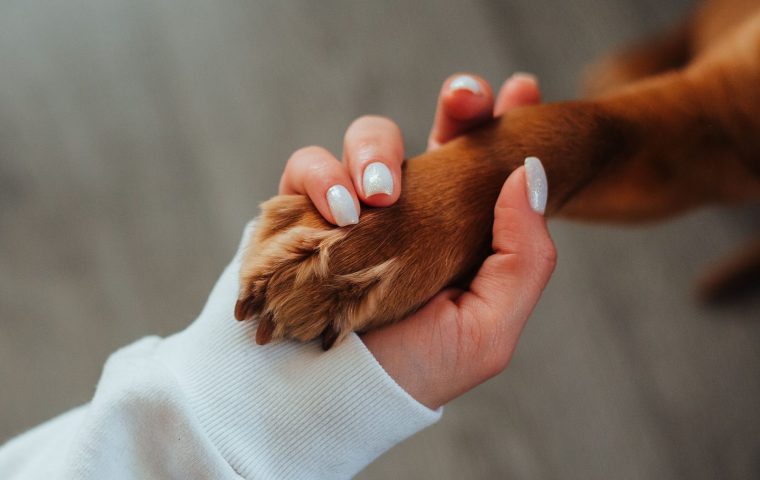
There's also a relationship payoff. Brushing your own dog or cat builds trust, lets you catch lumps, ticks, and hot spots early, and turns into a calm daily ritual rather than a stressful car trip. Many of these little routines fold neatly into the kind of simple at-home hygiene habits that keep a pet healthier between professional visits.
The catch is honesty. DIY only saves money if you actually do it, do it correctly, and don't end up paying a groomer to fix a botched job. I've seen plenty of "I'll just trim it myself" haircuts that ended in an emergency appointment and an apologetic phone call.
What a professional groomer actually brings
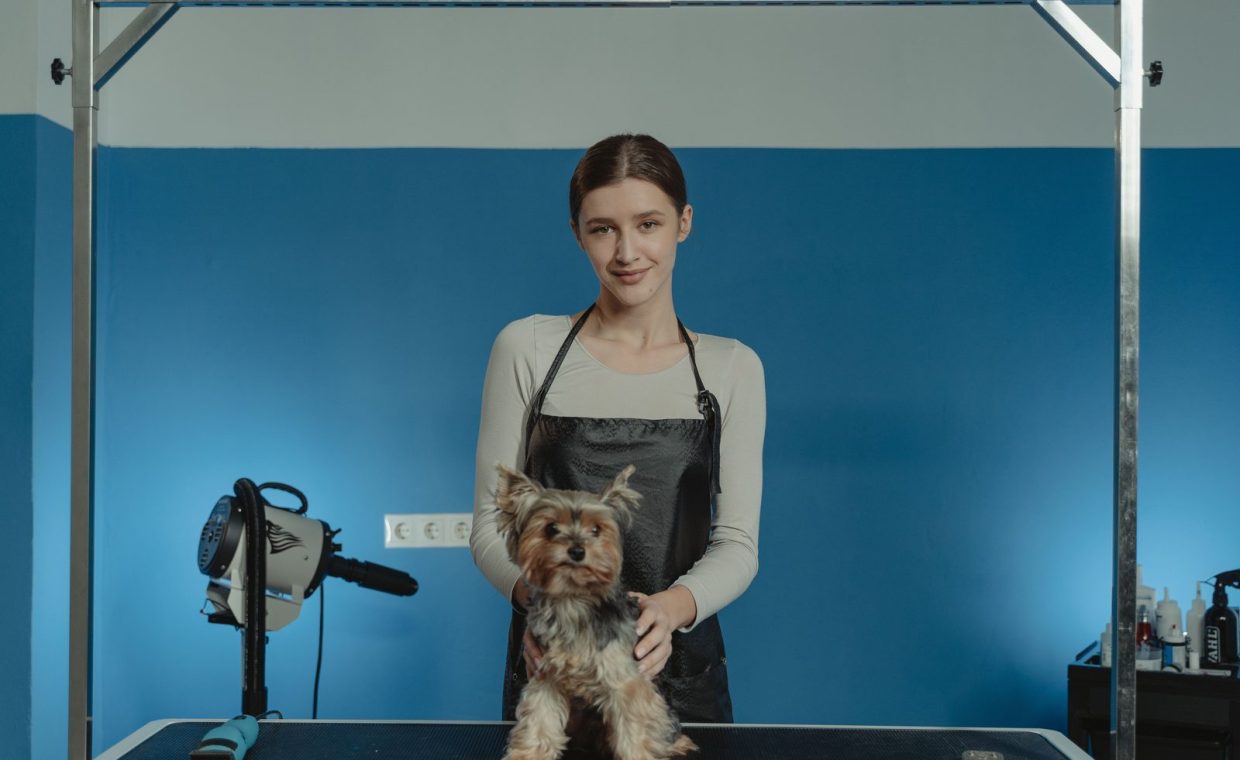
You're not just paying someone to wave a clipper around. A good groomer brings restraint techniques, high-velocity dryers, breed-specific knowledge, and the ability to handle a wriggling animal near sharp blades without flinching. That skill is the product.
Pros also spot problems you might miss (ear infections, skin issues, the early stages of matting) and they can safely work on dogs that turn into furry tornadoes the second you reach for the scissors. For double-coated breeds, doodles, and anything with a complicated face, that experience is worth real money.
A professional groomer is not a substitute for veterinary care. If your groomer flags a skin lump, persistent ear odor, or sudden hair loss, treat that as a prompt to call your vet, not a diagnosis on its own.
Comparing the two side by side
Cost, skill, time, and risk all pull in different directions, so it helps to see them lined up. Here's roughly how I think about the trade-offs before deciding whether to grab the clippers or the car keys.
| Factor | DIY at home | Professional groomer |
|---|---|---|
| Upfront cost | Low; gear pays for itself over time | Higher per visit, no equipment to buy |
| Skill required | You're the learning curve | Trained, breed-aware, fast |
| Time per session | Longer while you learn | Drop off and go |
| Risk of injury | Higher with clippers and nails | Lower; trained handling |
| Best for | Brushing, baths, easy coats | Matting, complex cuts, anxious pets |
Notice the pattern: the low-stakes, repeatable jobs lean DIY, and the high-skill, high-risk jobs lean pro. That's the whole framework in one sentence.
Tasks I happily handle at home
Brushing is the easiest win there is. Regular brushing prevents mats, cuts down shedding, and costs you nothing but ten minutes. Baths land in the same camp for most short- and medium-coated pets, as long as you use a pet-specific shampoo and rinse thoroughly.
Basic maintenance trims around the eyes, paws, and sanitary areas are fine once you're steady-handed, and so is routine nail care, with a big asterisk. Nails are where confident owners get into trouble fastest, so it's worth reading up on the common nail-trimming mistakes that hurt pets and how to avoid them before you start snipping.
Buy clippers with a quick-stop powder on hand and clip a sliver at a time. I'd rather make six tiny cuts than one confident one that hits the quick and turns bath day into a bloodbath.
Jobs worth paying a pro for
Some grooming tasks are a false economy to attempt yourself. Heavy matting is the big one. Packed mats pull painfully at the skin, can hide sores, and need careful clipping that's genuinely easy to get wrong. That's a groomer's job, not a YouTube-tutorial job.
Breed-specific haircuts (poodles, doodles, terriers with hand-stripped coats), full-body shave-downs, and grooming a fearful or aggressive pet also belong with a professional. So does anything involving a dog who treats the dryer like a mortal enemy.
If your pet shows signs of true distress during grooming (trouble breathing, collapse, a seizure, or extreme panic) stop immediately and contact your veterinarian or an emergency clinic. No haircut is worth a medical scare.
Cats are a different animal, literally
Most cats groom themselves well enough that your job is mostly brushing, especially for long-haired breeds prone to mats. Bathing a cat is rarely necessary and usually a two-person, full-armor affair, so I leave heavy-duty cat grooming to people who do it for a living.
What you feed a cat shows up in the coat, too. A well-hydrated, well-fed cat tends to have a glossier, less flaky coat, which is one reason the wet versus dry cat food question matters for grooming as much as for the food bowl. If your cat's coat suddenly looks greasy, dull, or thinning, that's a vet conversation, not a grooming one.
Which option wins, and for whom
If you have a short-haired dog or a low-maintenance cat, a steady hand, and ten spare minutes a few times a week, DIY wins on cost and bonding. Keep a groomer in your back pocket for the occasional nail trim or tidy-up, and you'll spend very little.
If you own a doodle, a heavily double-coated breed, or a pet that panics at the sight of a brush, pay the professional and consider it cheap insurance. The smart middle path most owners land on is simple: do the daily brushing and baths yourself, and outsource the complex cuts, the matting, and the meltdowns.
Handle brushing, baths, and gentle maintenance at home. Hand off matting, breed cuts, and anxious or aggressive pets to a pro. When in doubt, the cheaper choice is the one that doesn't end at the vet.
How often should I take my dog to a professional groomer?
It depends on the coat. Short-haired dogs may only need a pro a few times a year, while doodles and double-coated breeds often do best every four to eight weeks. Brushing at home between visits keeps the cost down.
Is it safe to trim my pet's nails myself?
Yes, with care. Trim small slivers, avoid the quick, and keep a styptic powder nearby. If your pet has dark nails or squirms badly, ask your vet or groomer to show you the technique first.
My dog is badly matted. Can I just shave him at home?
I'd strongly recommend a professional for heavy matting. Mats sit tight against the skin and are easy to cut accidentally. A groomer has the tools and experience to remove them safely, and can flag any skin issues underneath for your vet.
Grooming isn't all-or-nothing. Most of us land somewhere in the middle, doing the easy bits ourselves and paying for the tricky ones. Start with the low-risk tasks, build your confidence, and don't be too proud to book a pro when the job is over your head. Your wallet, and your bathroom floor, will thank you.