
My dog Juniper used to dread anything involving her paws. I traced it back to one thing: I only handled her feet right before doing something she disliked, like clipping her nails in a rushed Sunday-night panic. The fix wasn't a fancy tool. It was a rhythm: small, predictable habits spread across the week so nothing piled up into a stressful event.
That's really what at-home hygiene is. Not a deep-clean marathon, but a few minutes here and there that keep your pet comfortable and let you spot problems early. A starting mat, a nail getting too long, an ear that smells slightly off, all easy to catch when you're already in the habit of looking.
Here are ten habits I keep on a simple weekly loop. None take long, and together they cover coat, nails, ears, teeth, and the in-between bits most of us forget.
1. Brush a little, often, not a lot, rarely
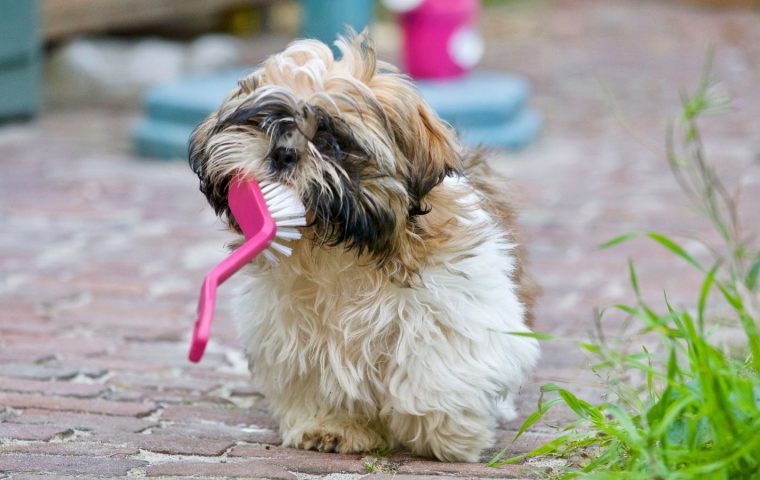
The biggest shift for most owners is frequency. A short daily or every-other-day brush prevents the tangles that turn into painful mats, especially behind the ears, under the collar, and along the back legs.
Short-coated pets benefit too; brushing lifts dead hair and spreads natural oils. With cats the payoff goes further; consistent brushing is how a friend's regular brushing cleared up a stubborn hairball problem, pulling loose fur out before it got swallowed.
Brush after a meal or play session when your pet is already relaxed. Two calm minutes beat ten of wrestling, and your pet learns to link the brush with downtime rather than restraint.
2. Make paw handling a daily non-event
Touch your pet's paws every day, even when you have no plans to trim anything. Gently hold each foot, spread the toes, press a pad. Ten seconds is plenty.
This does two things. It desensitizes your pet so the actual nail trim isn't a battle, and it gives you a moment to check for cracked pads, embedded grass seeds, or matted fur between the toes.
3. Keep nails short with low-drama trims
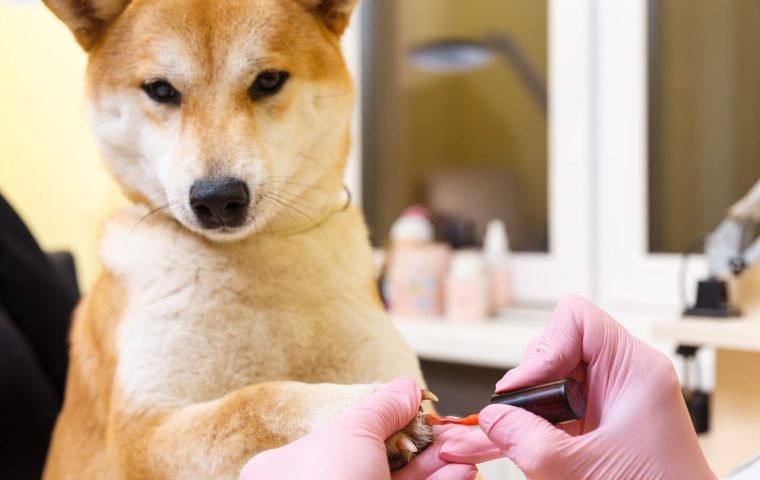
Long nails aren't just cosmetic. They change how a pet stands, put strain on the joints, and can curl into the pad. The goal is little and often: a few nails every few days rather than all of them at once.
If trimming makes you nervous, you're in good company, and rushing is how accidents happen. I'd point anyone uncertain toward the common nail-trimming mistakes that hurt pets, and how to fix them before reaching for the clippers; most of the pain comes down to a few avoidable habits.
A little bleeding from cutting too short usually stops with styptic powder and gentle pressure. But if bleeding is heavy or won't stop, or your pet is in obvious distress, call your veterinarian for guidance.
4. Do a weekly ear check (and clean only when needed)
Once a week, lift the ear flap and take a look and a sniff. Healthy ears are pale pink, barely waxy, and nearly odorless. A strong smell, dark gunk, redness, or head-shaking are signs to book a vet visit rather than to keep cleaning at home.
When ears are simply a bit waxy, wipe the visible part with a vet-approved cleaner on a cotton pad. Never push anything into the canal. You can pack debris deeper or cause injury. Floppy-eared and water-loving breeds need closer attention, since trapped moisture is what most ear trouble grows from.
5. Build toward toothbrushing: daily is the gold standard
Dental disease is one of the most common health issues vets see, and it's largely preventable at home. The aim is daily brushing with a pet-specific toothpaste, never human toothpaste, which contains ingredients that aren't safe for pets to swallow.
Don't expect day one to be perfect. Over several days, work from letting your pet lick paste off your finger, to a finger brush, to a soft pet toothbrush. Even a few teeth a session counts, and the outer surfaces are where most buildup lives.
6. Wipe faces, folds, and eyes clean
Tear staining, food crusts, and the moist creases on flat-faced breeds are easy to overlook until they cause irritation. A quick daily wipe with a soft damp cloth keeps these areas clean and dry.
Use a separate cloth for the face, and dry skin folds thoroughly; dampness left in a wrinkle is where redness and odor begin. If you notice swelling, discharge, or your pet pawing at an eye, that's a vet conversation, not a home fix.
7. Bathe on a sensible schedule, not on impulse
More baths are not better. Over-bathing strips the coat's natural oils and can leave skin dry and itchy. Most dogs do well with a bath every four to six weeks or when genuinely dirty, and many cats rarely need a full bath at all.
Use a shampoo made for pets (their skin pH differs from ours) and rinse until the water runs clear, since leftover residue is a frequent cause of post-bath itching. Brush out mats before the bath, not after, because water tightens tangles into knots.
Daily: brush, paw touch, face wipe, toothbrush. Weekly: ear check, sanitary trim-up, a few nails. Every few weeks: bath as needed. Spreading tasks out is what keeps any single session short and stress-free.
8. Keep the back end tidy
It's not glamorous, but a clean rear matters for comfort and hygiene. Long-haired pets can trap debris around the tail and hind legs, which leads to irritation and, in warm weather, more serious skin problems.
Trim the fur around the sanitary area carefully with rounded-tip scissors, or ask your groomer for a "sanitary trim." While you're back there, a quick glance can flag scooting or swelling worth mentioning to your vet.
9. Brush coats and check skin in the same pass
Make every brushing session double as a skin check. As you work through the coat, run your hands over the body and feel for lumps, scabs, dryness, fleas, or sore spots your pet flinches at.
Catching a new bump or patch of irritation early gives your vet more to work with. You don't need to diagnose anything; just notice changes and report them. Owners who handle their pets daily are usually the first to spot something off.
10. Pair hygiene with calm, positive handling
The habit that ties all the others together is how you do them. Slow movements, a steady voice, and a treat afterward turn grooming from something done to your pet into something done with them.
This pays off far beyond the bathroom. A pet that's comfortable being handled at home is far easier for a vet to examine. One of the small foundations of a stress-free vet trip for an anxious cat is a pet who's used to having ears, paws, and mouth touched gently every week.
Hygiene isn't a chore you finish. It's a routine that keeps you in touch with your pet's body, so the small stuff stays small.
Putting the routine together
None of these habits is hard alone. The trick is the rhythm: a couple of daily two-minute touchpoints and a longer weekly check. Once it's a pattern, you stop thinking about it, and your pet stops bracing for it.
Brush often, handle paws daily, trim nails little and often, check ears weekly, build a daily toothbrushing habit, wipe faces and folds, bathe only as needed, keep the back end tidy, check skin as you groom, and keep every session calm and rewarded.
How often should I bathe my dog at home?
For most healthy dogs, every four to six weeks or when they're genuinely dirty works well. Over-bathing strips natural oils and can dry the skin. If your vet has recommended medicated baths for a skin condition, follow their schedule instead.
Is human toothpaste safe to use on pets?
No. Human toothpaste contains ingredients that aren't meant to be swallowed and can be harmful to pets. Always use a toothpaste formulated specifically for dogs or cats, which is safe for them to ingest.
When should home hygiene become a vet visit instead?
Book a vet appointment for a strong ear odor, dark discharge, persistent head-shaking, eye swelling, painful lumps, or any sore your pet won't leave alone. For emergencies like trouble breathing, collapse, seizures, or suspected poisoning, contact a veterinarian or emergency clinic right away.
Start with just two habits this week (say, daily paw touches and a short evening brush) and add the rest as they become second nature. Your pet learns the routine alongside you, and the whole thing gets calmer over time. If anything you notice during these checks worries you, your veterinarian is the right person to call.