

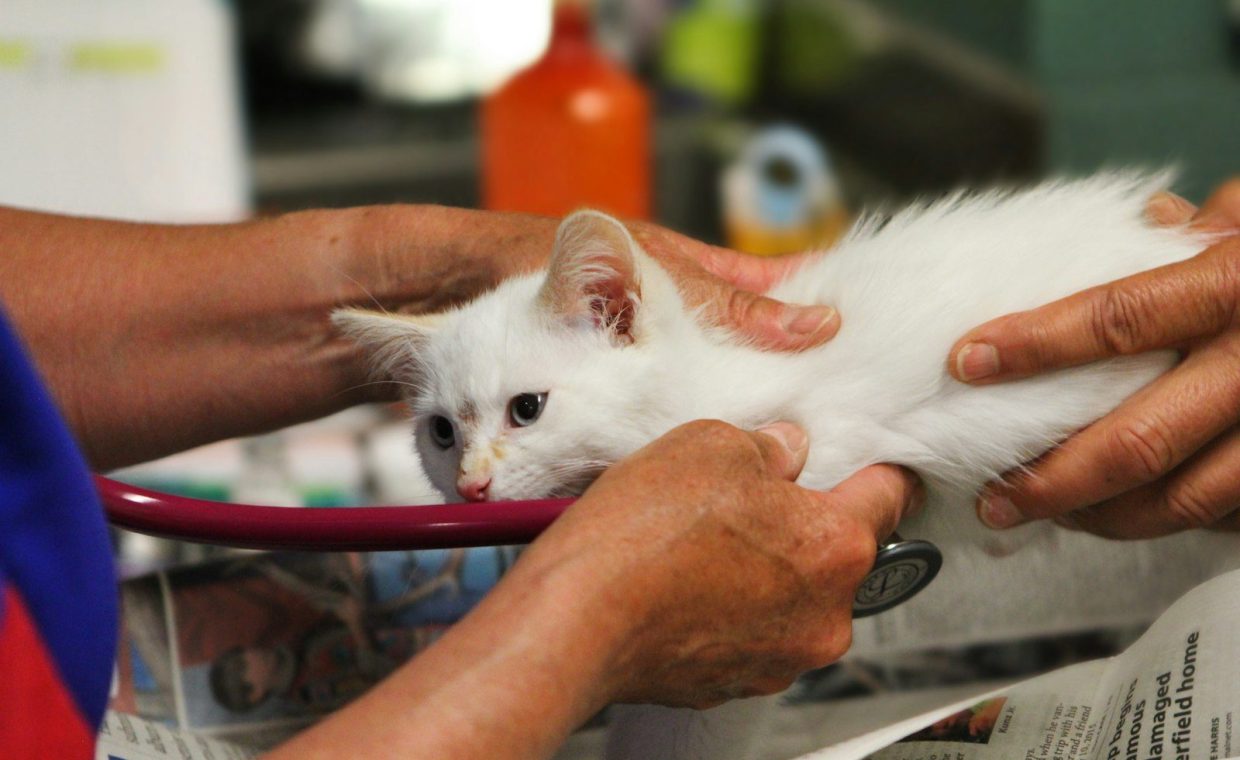
The carrier comes out of the closet, and your cat vanishes. One second she was sunbathing on the windowsill; now she's a shadow under the bed, eyes wide, tail flat against her body. She knows. She always knows.
From her point of view, the sequence is terrifying and predictable: the strange box appears, she's stuffed inside, the floor sways, then come the smells of other animals and the cold hands of strangers. No wonder she fights it. The good news is that almost every part of that experience can be softened with patience and a little planning ahead.
None of this replaces real veterinary care. If your cat is hiding more than usual, refusing food, or showing any sign she's unwell, that's a conversation for your own vet, not something to wait out. What follows is about the journey, not the diagnosis.
Leave the carrier out year-round
The single biggest mistake I see is treating the carrier like a fire extinguisher: hidden away until the emergency, then yanked out in a panic. Your cat only ever sees it paired with something awful, so the object itself becomes the threat.
Instead, leave the carrier out as a normal piece of furniture. Take the door off or prop it open, tuck a soft blanket inside, and set it somewhere she already likes to nap. Give it a few weeks and most cats stop noticing it. Some claim it as a favorite bed.
Choose a hard-sided carrier where the top half unclips. At the clinic, a nervous cat can stay in the bottom tray to be examined instead of being dragged out through a small door.
Make the inside worth investigating
Once the carrier is part of the furniture, start making it the best spot in the house. Drop a treat inside when she isn't looking, so she discovers it on her own terms. Feed a meal or two near the opening, then gradually move the bowl in.
This is the same patient, reward-based approach that works for play and enrichment. If your cat tends to ignore anything you set in front of her, the troubleshooting in our guide to why cats snub their toys applies here too: lower the pressure, follow her curiosity, and let interest build instead of forcing it.
Never shove her in and slam the door during this phase. One bad rep can undo weeks of progress. You're teaching her that the carrier predicts good things, and that lesson only sticks if it stays true.
Practice the parts that usually go wrong
The vet trip is really a chain of small events, and any one of them can spike her stress. Rehearse them separately, when there's nothing actually scheduled.
- Close the carrier door for ten seconds, treat, open it. Build up slowly over days.
- Lift the carrier a few inches, set it down, reward. Then walk a lap of the room.
- Carry her to the car, sit for a minute with the engine off, come back inside.
Cats read confidence. If a cat already trusts that good things happen on her terms, the carrier becomes one more place she controls rather than a trap. The same logic shows up in how adding vertical space turned our bored indoor cat into a calmer one: when a cat feels she has safe choices, her baseline anxiety drops, and that steadier cat is far easier to coax into a carrier.
Set up the car for calm
The car ride is a sensory assault for a cat: vibration, engine noise, and a view of the world flying past the windows. You can dial most of that down.
Cover the carrier with a light towel or blanket so she can't see the motion, leaving one side open for airflow. Secure the carrier with a seatbelt so it doesn't slide or tip on turns. Keep the cabin quiet, skip the loud radio, and drive gently. A few low-stakes practice drives around the block, ending back home with a treat, teach her the car doesn't always mean the clinic.
Synthetic feline pheromone sprays and some supplements can take the edge off for certain cats. Spray the carrier 10-15 minutes before you load her in, not while she's inside. For a truly panicked cat, ask your vet about anti-anxiety options made for the trip. That's a medical decision, with a dose only your vet should set.
Make the waiting room less of a gauntlet
The lobby is where a calm cat can come undone. Barking dogs, strange cats yowling, an open carrier at eye level: it's a lot. Keep her carrier covered and hold it up off the floor, on your lap or a chair, away from curious dog noses.
Ask whether the clinic has a feline-only waiting area or a quiet exam room you can wait in. Many practices now offer this, and plenty of vets are happy to bring you straight back if you call ahead and explain she's anxious. The fewer scary minutes she spends in the open, the better she'll handle the exam itself.
Build a positive routine between visits
Stress at the vet rarely starts at the vet. A cat who's handled gently and often at home arrives with a fuller tank of trust. Touch her paws, peek in her ears, run a hand along her belly during cuddle time, and pair it with treats.
That kind of regular, low-pressure handling overlaps neatly with everyday upkeep. Working a few simple at-home hygiene habits into your week, a quick brush, a paw check, a glance at her teeth and coat, gets her comfortable being touched in the same ways the vet will, so the clinic's hands feel less foreign.
Sudden hiding, hissing when touched in one spot, or flinching that's new can signal pain rather than fear. And for any true emergency (trouble breathing, collapse, a seizure, suspected poisoning), skip the desensitizing and head to an emergency clinic right away.
What a good appointment day looks like
Put it together and the day feels different. The carrier's already out and smells like home. You spritz it with pheromone, drop in her blanket, and she walks in for a treat instead of being chased. The covered carrier rides quietly in a seatbelt. You wait in a calm corner, then go straight to an exam room.
She still won't love it. No cat throws a party for the thermometer. But scared and resigned is a world away from blind panic, and that gap is built from dozens of tiny, boring rehearsals long before the appointment.
How far ahead should I start carrier training before a vet visit?
For a routine checkup, give yourself at least two to four weeks so the carrier becomes familiar furniture and you can practice without pressure. For an anxious cat, treating it as an ongoing habit (door always open, carrier always out) works far better than any crash course.
My cat panics so badly she hurts herself in the carrier. What now?
Stop forcing trips while you rebuild trust, and talk to your vet. Some cats benefit from a short-term anti-anxiety medication given before the appointment, but the choice and the dose are strictly a veterinary decision, never something to guess at from a bottle at home.
Should I feed my cat before a vet appointment?
A light meal a few hours ahead is usually fine and leaves room to use treats as rewards. But some procedures and bloodwork require fasting, so confirm with your own clinic when you book rather than assuming either way.
Your cat will never circle the calendar waiting for vet day, and that's okay. The aim is smaller and kinder: fewer surprises, a carrier that feels safe, and a person who stays calm so she can borrow some of it. Start with one step this week, keep it gentle, and let her decide the pace.