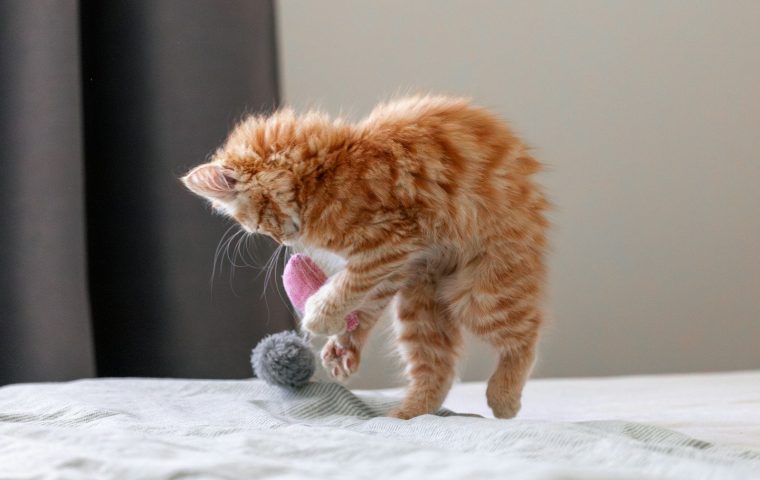


The first time Biscuit met Olive, he made a sound I had never heard a cat make. It started low, like a kettle thinking about boiling, and ended with a tuft of orange fur drifting through the hallway. Biscuit, our resident tabby, had ruled the apartment for three years. Olive, a small black rescue with one bent whisker, had no intention of bowing to him.
For six weeks, our home ran on a timer: Olive in the bedroom, Biscuit in the living room, doors swapped like a sad game of musical chairs. I genuinely worried I had made a mistake. If you are reading this from a hallway floor, listening to a standoff on the other side of a door, I want you to know it can get better. Ours did, and what follows is the actual reintroduction we ran, the parts that worked, and the mistakes I made first.
Where it went wrong before we even started
My first instinct was the worst one: I let them "figure it out." I opened the carrier in the middle of the living room and assumed two reasonable animals would sort it out. They are not reasonable. They are cats, and to a cat, a new arrival is not a friend; it is a competitor for food, territory, and the single sunny windowsill.
That free-for-all set us back weeks. Biscuit decided Olive was a threat, Olive decided he was right, and every later encounter started from that memory. The lesson I wish someone had hammered into me: a bad first meeting is not neutral. It teaches both cats that the other one means trouble.
Never let two unfamiliar cats meet face-to-face on day one. A single bad fight can create a fear association that takes months of patient work to undo.
The reset: starting over from behind closed doors
We hit the reset button completely. Olive got the bedroom as her base camp, with her own litter box, food, water, and a scratching post. Biscuit kept the rest of the apartment. The rule was simple and unglamorous: for now, they do not see each other at all.
This felt like going backward, but from a cat's point of view, separation is not punishment. It is safety. Each cat got a territory that smelled like only them, where nothing jumped out and nothing had to be defended. Olive stopped hiding under the bed by day three; Biscuit stopped patrolling the hallway by day five.
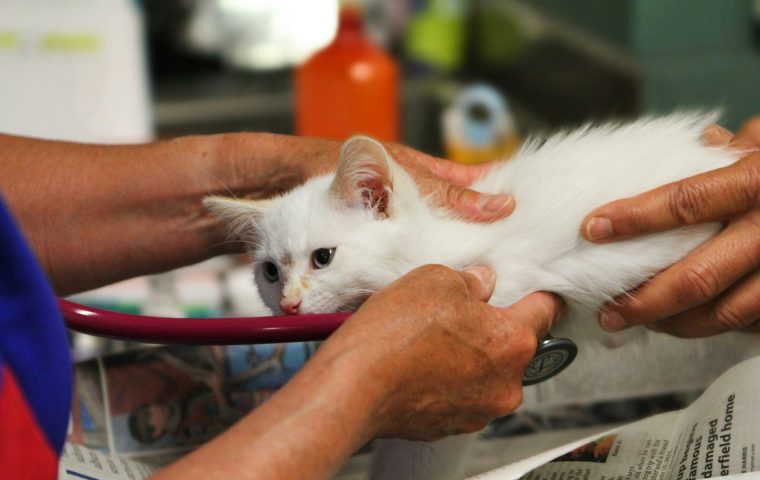
Our vet was clear that there is no medication shortcut and no fixed timeline that fits every household. If either cat seems genuinely distressed, stops eating, or shows sudden behavior changes, that is a call-your-own-vet moment, not a push-harder moment.
Scent swapping: the boring trick that changed everything
Cats read the world through scent far more than sight. So before Biscuit and Olive saw each other again, I introduced them by smell. Every day I took a clean sock, rubbed it gently on Olive's cheeks where her scent glands are, and left it near Biscuit's food bowl. Then I did the reverse.
At first Biscuit treated Olive's sock like a personal insult and batted it across the kitchen. But within a week he was sniffing it, then ignoring it, then sleeping near it. That progression, from offense to indifference, is exactly what you want. Indifference is the foundation peace is built on.
I also swapped their bedding and rotated which cat got which room, so each spent time marinating in the other's scent on neutral ground. It is slow and tedious, and also the single most effective thing we did.
Start placing both cats' meals on either side of the closed door, far enough back that nobody panics. Over days, move the bowls closer. You are teaching them that the other cat's smell predicts something wonderful: dinner.
The cracked door, the first real look
Once both cats were eating calmly near the door, we moved to controlled visual contact. We stacked two baby gates so neither could leap over, and cracked the bedroom door open behind them for short, supervised sessions.
The first session lasted maybe ninety seconds. Olive crouched, Biscuit stared, and I tossed treats to both to keep the mood pointed at food instead of confrontation. The moment either one's tail started lashing or ears flattened, we ended it on a calm note rather than waiting for a blow-up.
We did this two or three times a day, always short, always ending before trouble. If you want a primer on the friendlier signals you are hoping to see return, our guide to the signs your cat trusts and loves you covers the slow blinks and loose postures that told me we were finally heading the right direction.
Sharing the same room without a referee
After about ten days of gated sessions with no hissing, we opened the gate during the calmest part of the day, usually mid-afternoon when both cats were sleepy and well-fed. I kept a thick towel nearby to drop between them if things escalated, and I never used my hands to break up a scuffle.
The breakthrough was almost anticlimactic. Olive walked past Biscuit to reach a sunbeam, and he simply watched her go. No kettle sound, no flying fur, just two cats deciding the room was big enough.
Vertical space mattered more than I expected. Once we added a tall cat tree and a couple of shelves, the cats could share a room at different altitudes, avoiding each other without feeling cornered. A cat with an escape route rarely needs to fight.
Coexisting cats may never cuddle, and that is completely fine. Success is relaxed bodies, shared spaces, and the absence of fighting, not a greeting-card friendship. Olive and Biscuit tolerate each other beautifully and have zero interest in spooning.
The small signs that told me it was working
The wins were quiet ones. Biscuit started leaving a toy mouse by the bedroom door, a strange little peace offering. If you have ever wondered about that habit, our piece on why your cat brings you toys at night helped me read it as social, not territorial.
Then came the day they ate breakfast two feet apart without a single glance, and the night I found them sleeping on opposite ends of the same couch. Months earlier that couch had been a battlefield. Now it was just furniture they shared.
The calm routines spilled into the rest of the household, too. The same patience is the spirit behind how we turned a chaotic chore into a calm bath time routine for our dog: go slow, reward calm, never force the moment.
Full separation first, then daily scent swapping, then feeding near the door, then gated visual sessions, and finally short supervised time together with plenty of vertical space. Every stage ended on a calm note, and we never advanced until the current one was boring.
How long does it take to reintroduce two cats?
It varies a lot. Some pairs settle in two to three weeks, others need a couple of months. Let the cats set the pace and only advance a stage once the current one is calm and uneventful. There is no benefit to rushing.
Should I let my cats fight it out to establish a hierarchy?
No. Letting cats fight does not build a healthy pecking order; it builds fear and injury risk. Each scuffle reinforces that the other cat means danger. Separate them and rebuild the relationship slowly through scent and positive associations instead.
When should I involve a professional?
If a cat stops eating, hides constantly, has sudden behavior changes, or fights cause injuries, contact your own veterinarian, who can rule out pain or illness and may refer you to a feline behaviorist. For any sudden collapse, breathing trouble, or suspected poisoning, seek emergency veterinary care right away.
Biscuit and Olive will never be best friends, and I have made my peace with that. What they have is a quiet truce, a shared couch, and a home where nobody is afraid. If you are in the hissing stage now, take heart and take it slow. Cats are not telling you they will never get along; they are telling you they are not ready yet, and patience has always answered them.