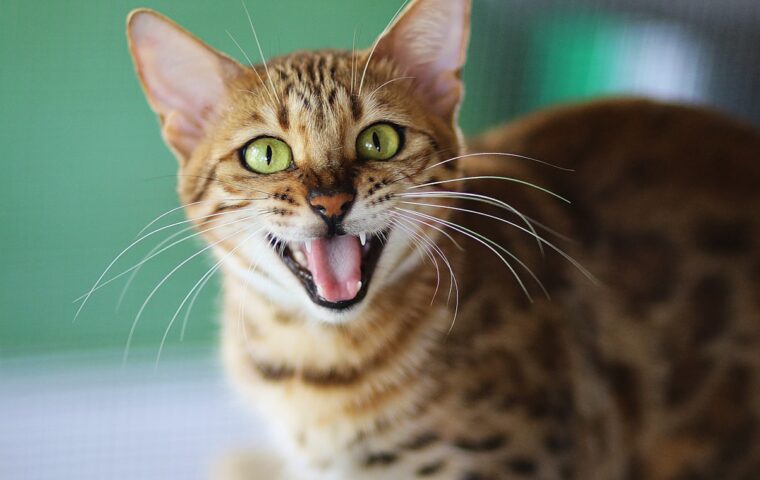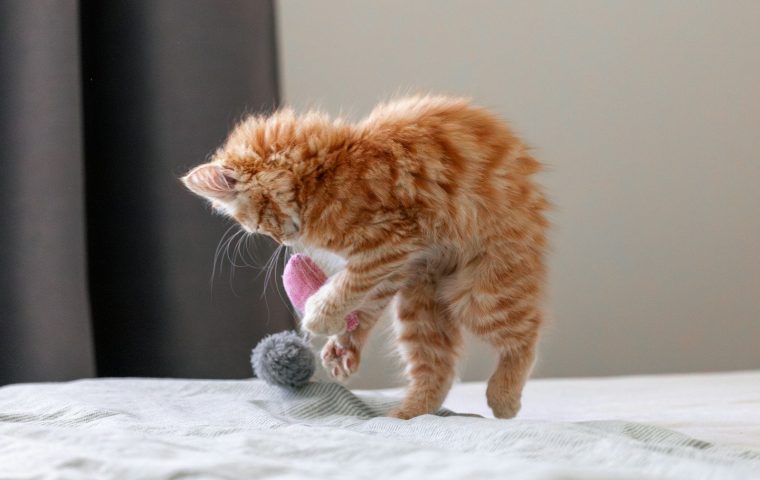

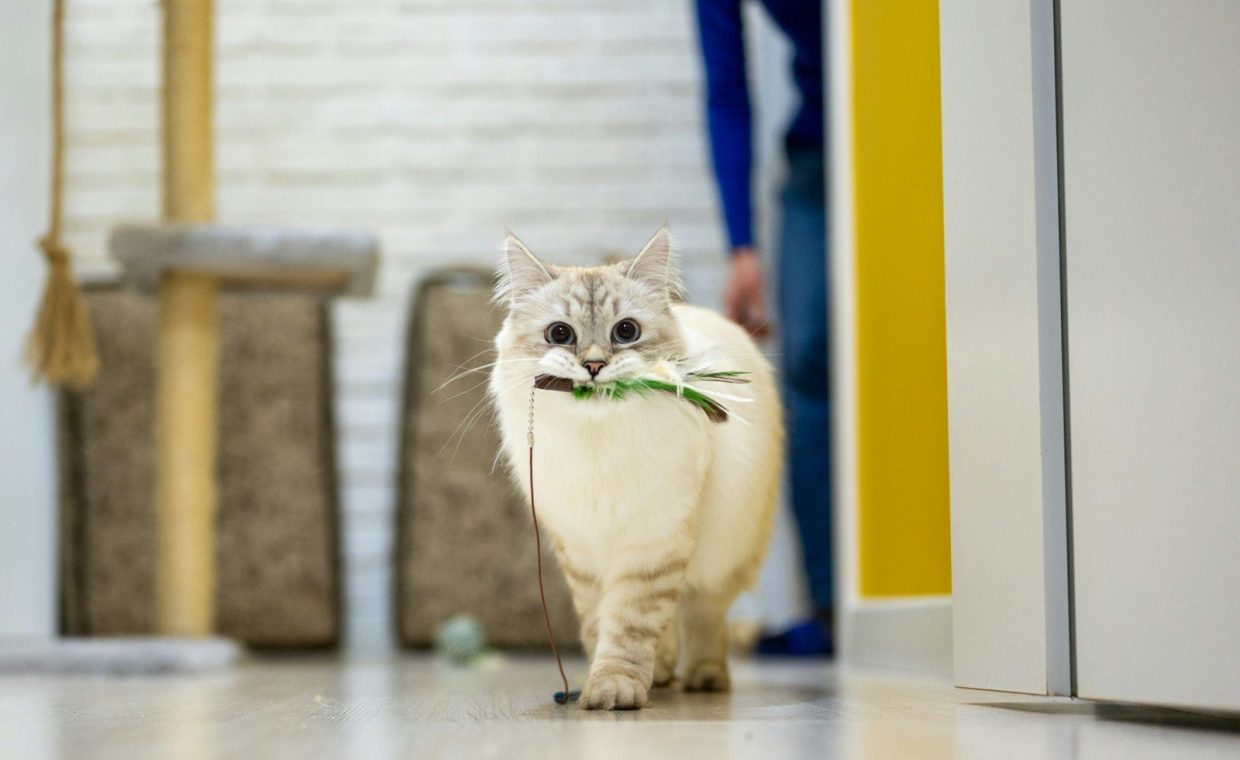
It is 3 a.m., and there is a small, slightly damp mouse on your pillow. Beside it a cat sits upright, tail wrapped around her paws, watching your face. She carried this toy down the hallway and onto the bed, making a sound the whole way, a muffled, warbling cry around a mouthful of felt.
If you live with a cat, you have probably woken to a scene like this. It feels deliberate, almost ceremonial, and a little baffling. Why this object? Why you?
The short answer is that your cat is doing several very old, very catlike things at once. It helps to see the gift the way she might.
The instinct underneath the gift: bringing prey home
Cats are predators built for short, intense bursts of hunting. A cat who makes a catch does not always eat it on the spot; she often carries it to a safe, familiar place first.
Your bedroom is that safe place, and the toy is the "prey." When your cat hauls a stuffed banana onto the duvet, she is running an ancient routine: catch it, move it somewhere secure, announce the win.
A toy mouse, a hair tie, a crumpled receipt: to a hunting brain, anything small and grabbable can stand in for prey. The texture and the carry matter more than what the object actually is.
This is also why the gifts arrive at night. Cats are crepuscular, wired to be most active at dawn and dusk. A house cat with energy to burn at 3 a.m. is following the clock her ancestors kept.
Why she brings it to you, specifically
Here is the part owners find touching. Mother cats teach kittens to hunt by bringing them prey to practice on. The carrying, the dropping, the watchful pause: that is teaching behavior.
When your cat brings you a toy, one gentle reading is that she has cast you as a clumsy family member who has never made a decent catch. She is provisioning you; in cat logic, that is generosity.
There is a social thread too. Cats share resources and scent with the individuals they consider family, and gift-giving sits alongside the other quiet signals that your cat trusts and loves you: slow blinks, an exposed belly, a tail that lifts when you walk in.
An invitation to play, dressed up as a present
Not every delivery is about hunting heritage. Sometimes the toy on your chest is the feline version of nudging a board game across the table with a raised eyebrow.
Cats learn fast what gets a response. The first time you laughed, picked up the dropped toy, and tossed it, you taught her that toys produce attention. It repeats because it works.
At night this becomes a negotiation. She brings the toy, vocalizes, waits. If you stir even a little, the lesson lands: this is how you wake the human. She is not manipulative, only observant, and you are very trainable.
If she drops the toy and stares at you expectantly, it is usually a play request. If she deposits it, makes her warbling call, and walks away satisfied, it leans toward the prey instinct. Both are normal.
The myth worth retiring: "she thinks you can't feed yourself"
A popular line online says cats bring gifts because they pity us as hopeless hunters. It is a charming story with a sliver of truth in it. But it overreaches.
Researchers who study cat behavior are careful here. We cannot know whether your cat believes anything about your hunting skills. What we can observe is the pattern (carry, deposit, vocalize) and tie it to instincts we understand: hunting, caching prey, and social sharing.
So the honest framing is that your cat is doing something rooted in survival and bonding, near the creature she feels safest with. Whether she "pities" you is a story we tell ourselves.
Should you encourage the nighttime deliveries?
This depends on how you feel about felt mice on your face at 3 a.m. The gifts are harmless and rather sweet; the trouble is the timing.
If the deliveries are waking you, do not scold her. A cat scolded at night learns that nighttime equals drama, and drama is interesting. Instead, shift her internal clock.
- Schedule a real hunt before bed. Ten to fifteen minutes of wand-toy play ending in a "catch," then a small meal, taps the hunt-eat-groom-sleep cycle and helps her settle.
- Feed the last meal late. A cat with a full stomach near bedtime is more likely to nap through the small hours than one running on empty.
- Rotate her toys. A novel object is more engaging by day, spending energy when you want it spent.
- Reward calm, not the 3 a.m. show. Leaping up for every delivery pays her to repeat it; a boring response works better.
If you love the gifts, accept them warmly during waking hours. Praise the daytime deliveries, keep the night ones unrewarded, and most cats migrate the habit to a more civilized hour.
When gifting is actually a behavior signal
Most toy-bringing is ordinary and benign. But a few patterns deserve a closer look, because a change in behavior is one of the clearest ways a cat tells us something is off.
A sudden surge in restless, vocal nighttime activity in an older cat can accompany other issues, so mention it to your veterinarian rather than assuming it is "just a phase." The same goes for any abrupt change in litter habits, appetite, or weight.
In multi-cat homes, frantic toy-carrying paired with hiding, guarding, or tension can hint at social stress rather than generosity. If your household has changed recently, a slow, structured reintroduction (the patient approach you use to introduce a new cat to your current cat) often eases it.
The gift behavior itself is not an emergency. But trouble breathing, collapse, seizures, or suspected poisoning always are. Contact your veterinarian or an emergency clinic right away. For any lasting change in behavior, eating, or elimination, your own vet is the right person to ask.
How to receive the gift like a gracious housemate
When the toy arrives and you are awake, respond the way she is hoping. A soft voice, a slow blink, a gentle touch on the offering: these are the currencies she understands.
You do not have to keep every soggy treasure on your pillow. Relocate it to her toy basket later; she will not file a grievance. What she reads in the moment is your tone.
And if your dog wanders over to investigate, that is its own comedy. Cross-species toy theft is common, and unlike how often you really should bathe your dog, it has no correct answer, just a standoff over one chewed mouse.
Nighttime toy gifts braid together hunting instinct, the urge to bring prey to a safe den, a mother cat's teaching habit, and a learned bid for attention. They are a compliment, not a complaint. If the timing wrecks your sleep, redirect her with evening play and a late meal rather than scolding.
Why does my cat cry loudly while carrying the toy?
That muffled, warbling call is part of the prey-delivery routine; it is the same vocalization many cats use when "announcing" a catch. It is normal and usually just means she wants you to notice what she has brought.
My male, neutered cat does this too. Isn't gifting a female thing?
No. The teaching behavior is rooted in mother cats, but the underlying hunt-and-cache instinct exists in cats of any sex. Plenty of neutered males are enthusiastic gift-givers.
Should I throw the toy back every time?
During the day, sure; engaging is lovely. At night, a big reaction teaches her that 3 a.m. deliveries get rewarded. Keep nighttime responses calm and brief, and channel her energy into a play-and-feed session before bed instead.
The next time you find a felt mouse against your cheek at dawn, read it as the small offering it is. Your cat carried that thing through a dark house to the one spot she feels safest and left it with you on purpose. You can move it off the pillow; just maybe say thank you first.