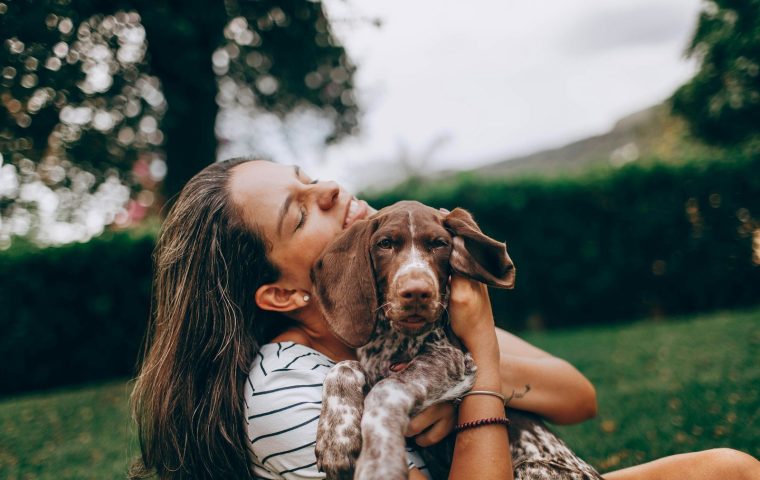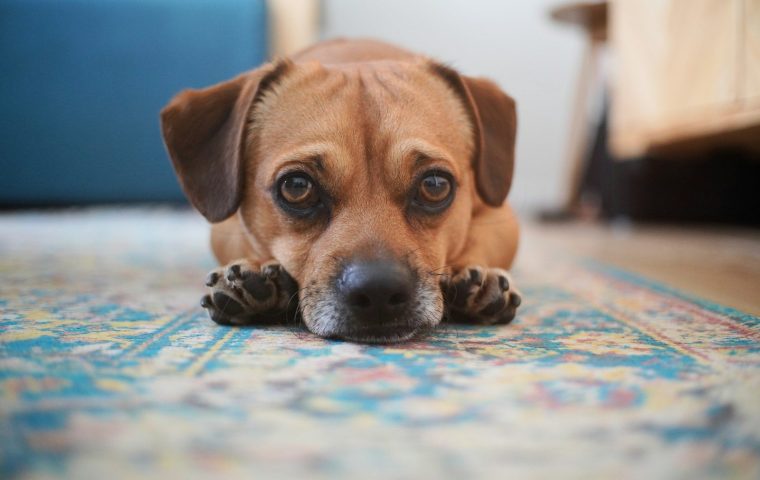

The first dog I ever owned chewed through a couch cushion, a phone charger, and most of my patience inside the opening week. He was a rescue mix with the energy of a toddler on espresso, and looking back, I had picked him for his face instead of his needs. That mismatch is the most common reason new owners end up exhausted, broke, or returning a dog they genuinely loved.
A "beginner-friendly" breed is not about being lazy or low-maintenance. It is about predictability. Some dogs forgive your rookie mistakes, train quickly, and tell you clearly what they need. Those traits matter far more than coat color or how cute the puppy photos are.
Here are ten breeds that consistently set first-time owners up to win, ranked from most forgiving to "great, but read the fine print."
Lower numbers mean a gentler learning curve: forgiving temperament, quick trainability, and care needs a busy beginner can realistically meet. Higher numbers are still excellent dogs, just with one trait that needs more planning.
1. Labrador Retriever
The Lab earns the top spot for a boring but important reason: it is wildly predictable. These dogs are friendly with kids, other pets, and the stranger delivering your packages. They want to please you, which makes early training feel less like a battle.
The catch is energy. A bored Lab will redecorate your home, so plan on a solid daily walk plus some fetch. Budget-wise, watch the food bill; they eat like they are getting paid for it.
2. Golden Retriever
If the Lab is the reliable hatchback of dogs, the Golden is the same car with heated seats. Gentle, patient, eager to learn, and almost comically devoted to their people. I once watched one sit perfectly still while a toddler used its tail as a chew toy.
The trade-off is grooming. That gorgeous coat sheds year-round and mats if you skip brushing. I keep a cheap slicker brush by the couch and run it through a few times a week, which costs far less than a mat-removal trip to the groomer.
3. Cavalier King Charles Spaniel
For apartment dwellers who want a smaller dog, the Cavalier is a sweetheart. They adapt to your pace, love a lap, and rarely pick fights. Training goes smoothly because they crave closeness and praise.
Be honest about the health side before you fall in love. The breed is prone to certain heart and neurological issues, so buy only from a breeder who does health testing, and ask your own veterinarian what screening schedule makes sense.
4. Poodle (Standard or Miniature)
Poodles are quietly one of the smartest breeds out there, and that intelligence makes early training feel almost unfair to your friends still wrestling stubborn dogs. They also shed very little, which wins over a lot of allergy-cautious households.
That low-shed coat is the cost, though. It needs regular professional grooming or a committed at-home routine, so factor those appointments into your monthly budget the same way you would food.
Before choosing any breed, add up the unglamorous recurring costs: food, grooming, routine vet visits, and pet insurance. A "cheap" puppy with a high-maintenance coat can quietly outspend a pricier, lower-maintenance dog within a year.
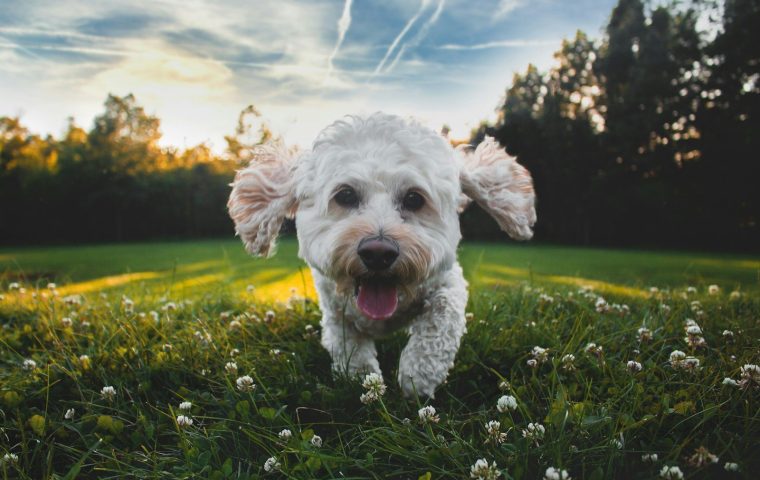
5. Bichon Frise
Cheerful is the word everyone uses for the Bichon, and it fits. These little dogs are friendly, playful, and happy to roll with whatever your day looks like. They handle apartment living well and bond fast with the family.
Like the Poodle, the curly coat means regular grooming, so they are not truly "wash and go." But for a small, sturdy, people-loving dog that forgives a first-timer's fumbles, they earn their spot.
6. Papillon
Do not let the dainty ears fool you. Papillons are bright, eager, and surprisingly athletic. They pick up commands quickly and genuinely enjoy the work, so your early sessions feel rewarding instead of frustrating.
Their size makes them ideal for small spaces, but it also means supervision around very young kids or larger dogs. A 7-pound dog needs gentle handling that toddlers have not learned yet.
7. Pug
Pugs are little comedians: affectionate, low-energy enough for a relaxed household, and content to be wherever you are. They do not need marathon exercise, which suits owners who want a companion more than a running partner.
Pugs are a flat-faced (brachycephalic) breed and can struggle to breathe in heat or heavy exercise. Skip strenuous activity on hot days, and if you ever see labored breathing, blue-tinged gums, or collapse, treat it as an emergency and contact a vet or emergency clinic right away.
Their easygoing nature is a gift for beginners. Just go in clear-eyed about the breed's known respiratory and eye concerns.
8. Boxer
Boxers are loyal, playful, and astonishingly patient with children, which is why so many families adore them. They are clownish well into adulthood and form deep bonds with their people.
The reason they sit mid-list is energy and strength. A young Boxer is a lot of dog, and without structure they can bowl you over with pure enthusiasm. A solid foundation in the positive reinforcement basics every owner should know turns that exuberance into a well-mannered companion.
9. Shih Tzu
Bred for centuries to be companions, Shih Tzus take that job seriously. They are affectionate, adaptable, and content with moderate exercise, making them a comfortable fit for first-timers and smaller homes.
The long coat is the commitment. Left alone it mats fast, so most owners keep it in a short "puppy cut." Plan for either regular grooming visits or a willingness to learn the clippers yourself.
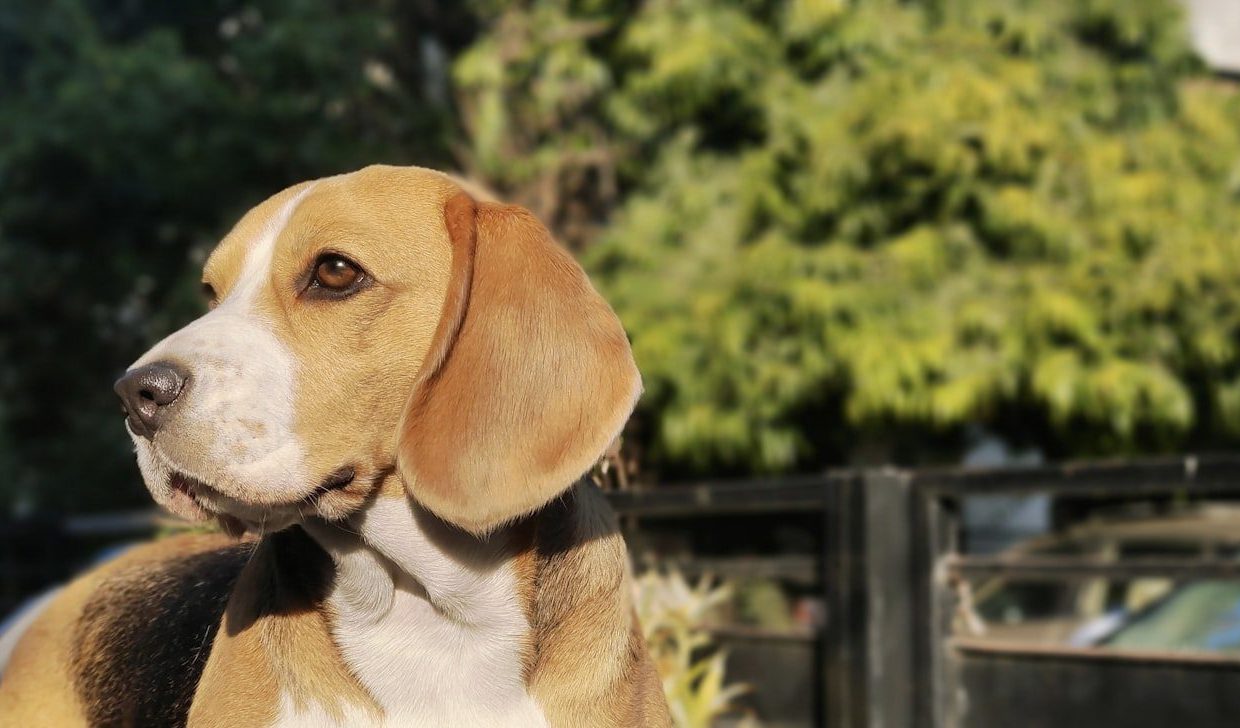
10. Beagle
I am ending with the Beagle because it is a wonderful family dog that comes with one honest warning. They are sweet, sturdy, sociable, and great with kids, with a curiosity that makes them genuinely fun to live with.
That curiosity is nose-driven, though. A Beagle on a scent can go briefly deaf to your existence, so recall training and a secure yard are non-negotiable. For the right owner who enjoys a little adventure, that is a feature, not a bug.
Matching the dog to your actual life
Picking the breed is only half the job. The other half is preparing your home before the dog arrives, and this is where a lot of first-timers stumble. A confident puppy comes from structure in those early weeks, not just good genes.
Decide early how you will manage your puppy when you cannot supervise. If you are torn, this breakdown of a crate versus a playpen for a new puppy walks through which setup fits which household. Whichever you choose, introducing it kindly matters; my go-to is this gentle method for crate training a puppy without stress, which keeps the crate a safe space instead of a punishment.
Whatever breed you land on, talk to your veterinarian about its specific needs, recommended screenings, and a realistic care budget. A breed's reputation is a starting point, not a guarantee.
For the gentlest learning curve, look hard at the Labrador, Golden Retriever, and Cavalier. If space is tight, the Papillon, Pug, or Shih Tzu shine. Budget for grooming with the Poodle and Bichon, and plan for energy with the Boxer and Beagle.
What is the easiest dog breed for a first-time owner?
The Labrador and Golden Retriever are the usual top picks because they are friendly, forgiving of beginner mistakes, and eager to be trained. For smaller homes, the Cavalier King Charles Spaniel is a gentle, adaptable alternative.
Are small breeds easier than large breeds for beginners?
Not automatically. Small dogs are easier to physically manage and need less space, but some have demanding grooming or health needs. Temperament and trainability matter more than size when you are starting out.
How much should I budget for a first dog?
Beyond the purchase or adoption fee, plan for recurring food, grooming, routine veterinary care, and ideally pet insurance. Higher-maintenance coats and breeds with known health concerns raise the long-term cost, so ask your vet for a realistic estimate for the breed you choose.
Take your time; the right match makes everything that follows easier. Meet a few dogs in person, and be honest about your schedule and budget rather than your daydreams. Get that part right, and the chewed couch cushions stay in someone else's first-dog story.