

One of the hardest parts of my job is hearing an owner say, "I thought he was just being lazy." By the time a pet looks visibly sick, the body has often been compensating for days or weeks. Animals are wired to hide weakness, an instinct that served them in the wild and works against us at home.
The good news: pets almost always give us quieter clues first. A slightly emptier food bowl, a dog who skips the morning zoomies, a cat who suddenly loves the back of the closet. None of these mean disaster on their own, but knowing what to watch for buys you time.
Here are the ten changes that most often send a pet to my exam table before things get serious, so you can trust your gut with a little more structure behind it.
1. A shrinking or skipped appetite
Appetite is one of the most honest signals a pet gives. A dog who normally inhales dinner but leaves half behind, or a cat who walks away from a favorite food, is telling you something. One missed meal can be nothing; two or three in a row deserves attention.
The cause may be simple, like a sore tooth, but reduced appetite also shows up early with nausea, kidney issues, and pain. If interest in food stays down for more than a day or two, call your vet.
A cat who stops eating for even a couple of days can develop a dangerous liver condition, so feline appetite loss is never something to "watch and see" for long.
2. Drinking and peeing more (or less)
Changes in thirst and urination are some of the most useful early flags I see. A dog who suddenly empties the water bowl twice a day, or starts having accidents after years of being reliable, is worth a look.
Increased drinking and urination can be early signs of diabetes, kidney changes, or hormonal conditions. On the other end, a pet who strains without producing urine can be facing an emergency, particularly male cats with a blockage.
3. Energy that quietly fades
Lethargy is vague, which is exactly why it gets dismissed. We tell ourselves the dog is just getting older. But a real, sustained drop, where your pet stops greeting you at the door or sleeps through activities it loves, is meaningful.
I always ask owners: would your pet still get up for its favorite thing? If the answer is no, that's worth a phone call.
4. Hiding, clinginess, or a personality shift
Behavior change is the symptom owners notice first and trust least. A social cat who starts hiding under the bed, or a calm dog who becomes irritable, is often expressing discomfort the only way it can. Pain, nausea, and anxiety all reshape behavior.
You know your animal's baseline better than anyone. When that quiet inner voice says "this isn't like her," listen. You're not being dramatic.
5. Vomiting or diarrhea that lingers
An occasional upset stomach happens. The concern is frequency and duration. One episode followed by a normal, bright pet is usually nothing. Repeated vomiting, diarrhea that lasts beyond a day, or any digestive upset paired with lethargy or no appetite changes the calculus.
Watch for blood, a bloated belly, or unproductive retching, which can signal something urgent. And if you suspect your pet ate something it shouldn't have, don't wait for symptoms; call your vet or a pet poison line right away.
Trouble breathing, collapse, seizures, a hard swollen abdomen with retching, or suspected poisoning are not "wait until morning" situations. Go to an emergency clinic immediately.
6. Coughing, sneezing, or changed breathing
Respiratory changes are easy to wave off as a cold, but they deserve a careful eye. An occasional sneeze is fine; a persistent cough, noisy breathing, or a pet working harder than usual to breathe is not.
Count your resting pet's breaths now and then so you know their normal. A clear rise in resting rate, especially with any blue or gray tint to the gums, is an emergency. Breathing is the one system where I'd rather you call too early than too late.
7. Weight that drifts up or down
Because we see our pets daily, gradual weight change sneaks past us, until a relative visits, asks if the dog has lost weight, and suddenly you see it. Unexplained loss despite a normal appetite can point to internal issues, while creeping gain stresses joints and organs.
Run your hands along your pet's ribs once a month; you want to feel them easily under a thin layer, not see them and not dig for them. Diet plays a big role here, and if you're weighing options, my breakdown of whether wet or dry dog food fits your dog better is a good place to start that conversation with your vet.
8. Skin, coat, and itch changes
A dull coat, new bald patches, persistent scratching, or sudden flakiness all reflect what's happening underneath. Skin shows stress, allergies, and parasites readily.
Excessive scratching often traces back to parasites, and telling the culprits apart guides treatment. My guide to spotting the difference between fleas and ticks and responding correctly helps you check before you reach for any product. For a stubborn itch or a spreading skin issue, your vet can sort cause from coincidence.
When you check for parasites, part the fur at the base of the tail and along the belly. Those warm, sheltered spots are where you'll often spot evidence first.
9. Bad breath and mouth trouble
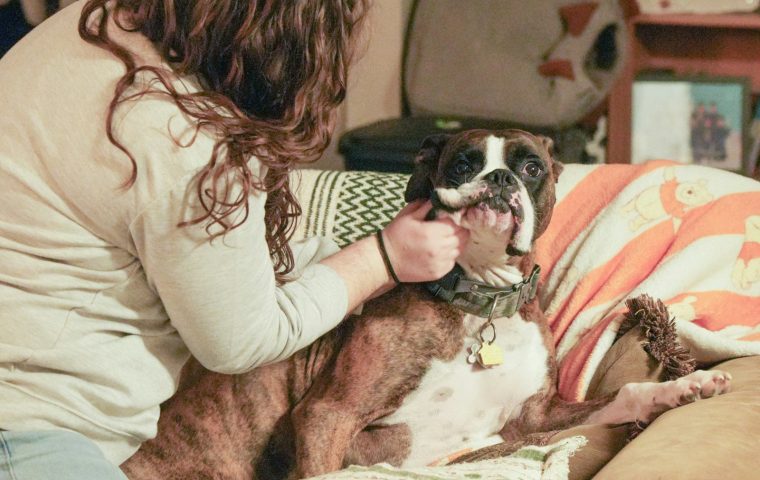
Owners are often surprised that I care so much about breath. But a sudden foul odor, drooling, pawing at the mouth, or dropping food can signal dental disease, one of the most common and underdiagnosed problems I see. A quick lift of the lip during your weekly cuddle reveals red gums, broken teeth, or buildup.
10. Changes in movement or posture
Stiffness, reluctance to jump, a new limp, or a hunched, tucked-up stance all speak to pain. We often chalk these up to age, and arthritis is real, but a sudden change deserves a look rather than a shrug.
Watch how your pet rises after rest or takes the stairs. Catching mobility issues early often means gentler interventions later.
How to respond without panicking
Noticing a sign isn't a reason to spiral; it's a reason to observe with intention. Jot down what changed and when it started, because a short note or a quick phone video is far more useful to your vet than memory.
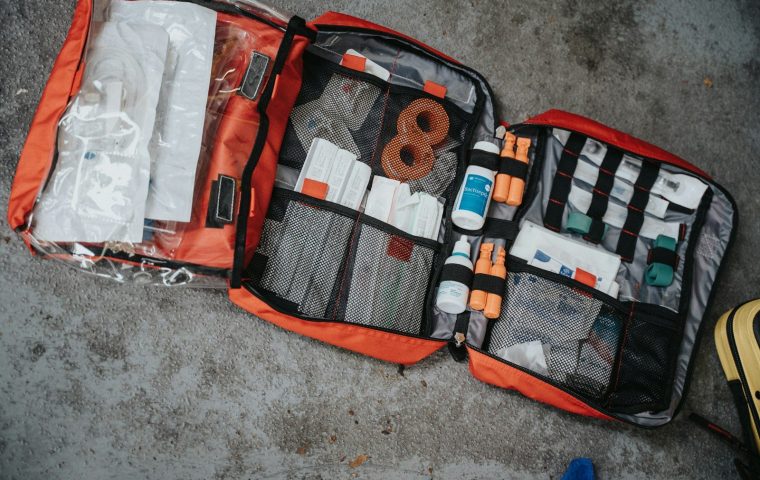
Having a few basics ready at home makes these moments calmer. I keep a stocked kit on hand, and I walk every new client through how to assemble a pet first-aid kit at home so they're never scrambling on a worrying evening.
Trust shifts from baseline across eating, drinking, energy, behavior, digestion, breathing, weight, skin, mouth, and movement. One small change can wait and watch; clusters, or anything paired with low energy, warrant a vet call. Emergencies never wait.
Frequently asked questions
How long should I wait before calling the vet?
A single minor change in an otherwise bright, playful pet can usually be watched for a day. If a sign persists beyond 24 to 48 hours, worsens, or stacks with other symptoms, call your veterinarian. Emergencies such as breathing trouble, collapse, seizures, or suspected poisoning need immediate care.
Can I just monitor at home with online research?
Tracking changes at home helps, and your notes make your vet's job easier. But online searches can't examine your pet or run bloodwork, so they shouldn't replace a professional opinion for anything that lingers or worsens.
My pet seems fine but a little "off." Am I overreacting?
No. That quiet sense that something isn't right is one of the most valuable tools I work with. You know your pet's normal better than anyone, and acting on a gut feeling early is exactly what catches problems while they're still small.
None of this should make you anxious every time your dog naps long or your cat skips a snack. It's meant to help you tell a quirk from a clue. Keep a loose sense of your pet's normal, trust your instincts, and stay in touch with the veterinarian who knows your animal. That partnership is the best early-warning system there is.