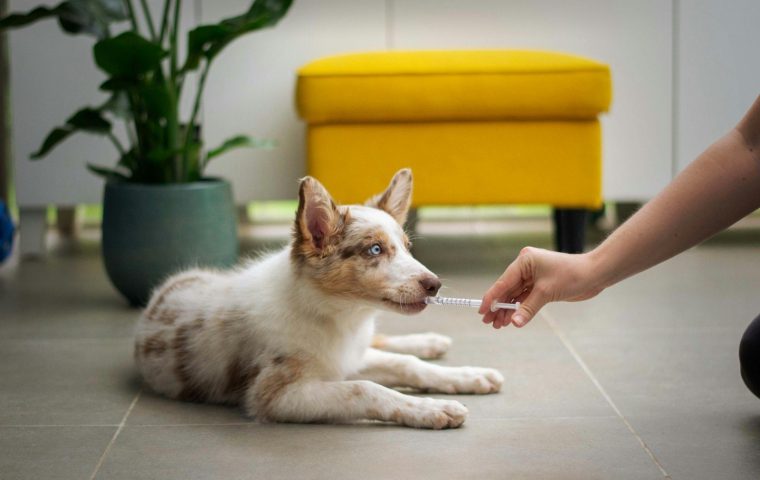

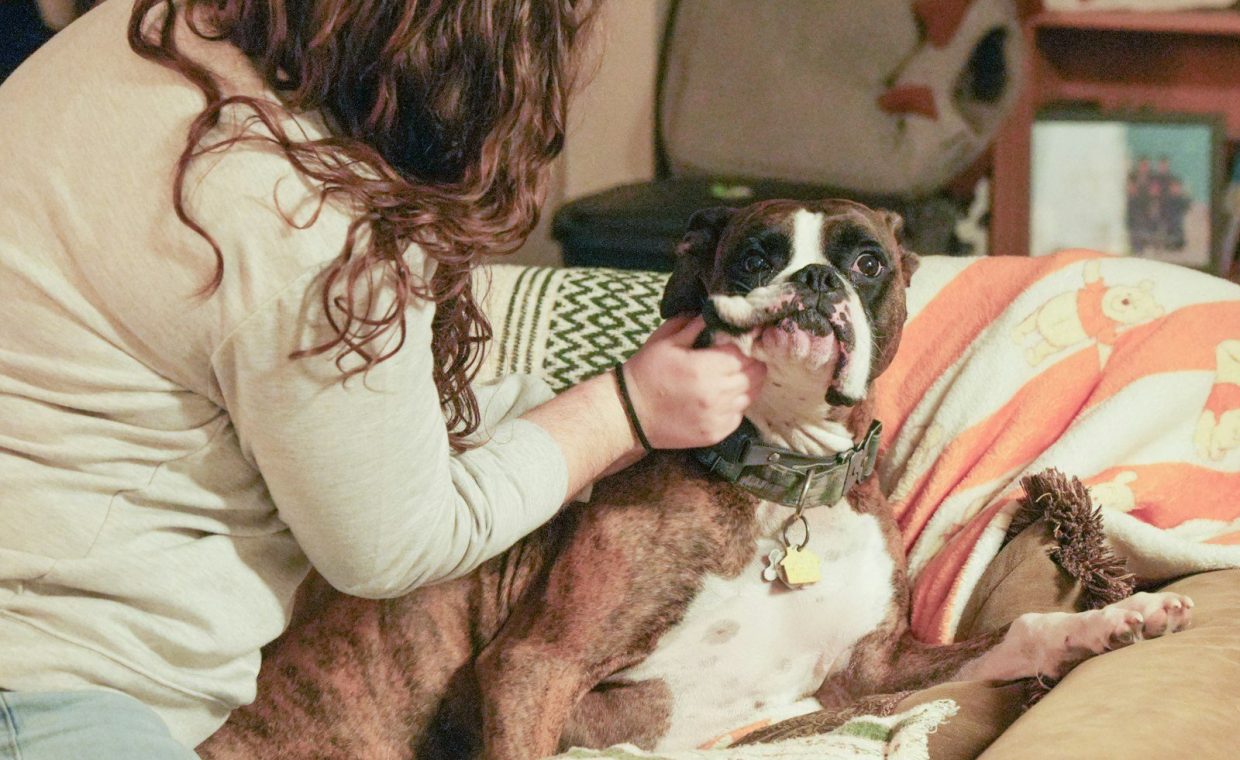
The first time a client lifted her spaniel's lip for me, she expected praise for the bright white front teeth. Instead I swung the lip toward the cheek, where a wall of brown tartar had crusted along the molars. She had no idea. Most owners don't, because the trouble hides where we never look.
Dental disease is one of the most common problems I treat, and one of the most preventable. It usually traces back to small, fixable habits rather than neglect. Loving owners make these mistakes daily.
Here are the seven I see most, why each matters, and the fix. None require fancy equipment, and most take under two minutes a day.
1. Skipping toothbrushing entirely
This is the big one. I understand the resistance, brushing a pet's teeth feels awkward at first. But plaque hardens into tartar within roughly two to three days, and once it's mineralized, no brush will lift it. Only a professional cleaning can.
Why it matters: Tartar pushes under the gumline, where bacteria inflame the gums and erode the bone anchoring each tooth. That's painful, and pets are masters at hiding mouth pain until a tooth is loose.
The fix: Start absurdly small. Let your pet lick a dab of pet toothpaste off your finger for a few days so it becomes a treat, not a threat. Then introduce a soft finger brush, just a few teeth at first. Daily is ideal; even three days a week beats nothing.
Brush at the same moment each day, right before a walk or dinner. Pets settle fast when something becomes predictable, and you'll stick with a habit that's pinned to one you already have.
2. Reaching for human toothpaste
It seems harmless to grab the tube from your own bathroom, but human toothpaste is made to be spat out, and pets swallow everything. Many pastes contain fluoride not meant for swallowing, and some sugar-free brands contain xylitol, which is dangerous to dogs.
Why it matters: Xylitol can cause a rapid, serious drop in a dog's blood sugar. The wrong product turns a good habit into an emergency.
The fix: Use a toothpaste made for pets, in a flavor your animal actually likes, poultry, malt, seafood. Pets cooperate far better when the paste tastes like a reward. If you suspect your dog has eaten anything with xylitol, call your vet or an emergency clinic right away.
3. Assuming dry kibble cleans the teeth
I hear this constantly: "He eats crunchy food, so his teeth are fine." It's appealing, and mostly a myth. Standard kibble shatters on contact and barely touches where tartar collects near the gumline.
Why it matters: Relying on kibble as your dental plan means buildup accumulates while you believe it's handled. False reassurance is its own kind of risk.
The fix: Treat diet as a supporting player, not the whole strategy. Some veterinary dental diets use larger, fibrous kibble that wipes the tooth as it bites through, and some chews carry a seal from a veterinary oral health council. Ask your vet which products have real evidence behind them.
4. Misreading bad breath as normal
"Dog breath" became a joke for a reason, but a genuinely foul, persistent odor is not something pets are born with. It's usually bacteria thriving under tartar, and one of the earliest signals you'll get.
Why it matters: Breath that has clearly worsened often points to active gum infection. Brushing it off as cosmetic lets disease advance unnoticed. The quiet, gradual shifts are the ones worth tracking, the lesson in this account of how early weight tracking caught our cat's health issue before it turned serious.
The fix: Treat a new or worsening odor as a prompt to look inside the mouth and book a vet check. Lift the lip in good light and scan for brown buildup, red gum margins, or an odd-looking tooth.
Red or puffy gum edges, brown or yellow crust near the gumline, a broken or discolored tooth, drooling, or dropping food while eating. Any of these earns a vet visit.
5. Choosing chews that are too hard
Owners often hand over the toughest chew they can find, reasoning that tougher means better cleaning. The opposite can be true. Antlers, bones, hooves, and very dense nylon are common causes of the fractured teeth I repair.
Why it matters: A cracked tooth can expose the sensitive pulp inside, which hurts and can become infected. Some fractures need extraction, an avoidable outcome from a kind gift.
The fix: Use the thumbnail test. If you can't dent the chew with your nail, it's likely too hard for teeth. Choose chews with a little give, and supervise so your pet doesn't swallow large chunks. Persistent, anxious chewing can signal stress, the same restless energy behind the itching covered in this piece on common causes of pet skin scratching.
6. Waiting until something is visibly wrong
By the time a tooth is wobbling or a pet stops eating, the disease has usually been building for months underneath. Pain rarely shows early. Animals evolved to mask weakness, and a sore mouth is easy to hide.
Why it matters: Advanced dental disease is harder and costlier to treat than early disease. Catching it early often means a routine cleaning instead of multiple extractions.
The fix: Build dental checks into your regular vet visits and don't skip the under-anesthesia cleaning when it's recommended. I know anesthesia worries people, but modern protocols with pre-anesthetic bloodwork keep that risk low, and your vet will tailor the plan to your pet.
A facial swelling below the eye, a mouth your pet won't let you near, sudden refusal to eat, or visible bleeding all warrant prompt veterinary attention. For any true emergency, trouble breathing, collapse, seizures, suspected poisoning, or a bloated, hard abdomen, go straight to an emergency clinic.
7. Letting cats slip through the cracks
Dog teeth get most of the attention, and cats quietly suffer for it. Cats develop their own painful conditions, including resorptive lesions that eat away at the tooth, and they're even better at concealing discomfort.
Why it matters: A cat with a sore mouth may still eat, just differently, swallowing food whole or favoring one side. These shifts are easy to blame on mood or age. Not every food behavior is dental, though; this explainer on why a cat seems always hungry covers the appetite side.
The fix: Don't exempt your cat from dental care. Many cats accept finger-brushing if you build up slowly and keep sessions short, and a vet should examine the mouth at every checkup. If your cat suddenly avoids hard food or paws at its face, have it looked at rather than assuming pickiness.
Brush most days with pet-safe paste, skip rock-hard chews, treat bad breath and eating changes as signals, and keep up with professional cleanings. Small, steady habits prevent the painful problems I see far too late.
None of this has to be overwhelming. Pick one fix, the daily brush is the best place to start, and let it become routine before adding the next.
How often should I really brush my pet's teeth?
Daily is the gold standard, because plaque mineralizes into tartar within a couple of days. If daily isn't realistic, aim for at least three times a week and stay consistent. Any regular brushing is dramatically better than none.
Are dental chews and water additives enough on their own?
They can help, but they don't replace brushing or professional cleanings. Look for products with evidence behind them and ask your vet for recommendations, then treat them as a supplement to your routine rather than the whole plan.
Is anesthesia for a dental cleaning safe for my pet?
For most healthy pets, modern anesthesia with pre-procedure bloodwork and monitoring carries low risk, and it lets the vet clean below the gumline and take X-rays where disease hides. Discuss your pet's age and health with your veterinarian, who will tailor the plan.
I've watched too many sweet, stoic animals carry mouth pain in silence, so I'll always nudge owners toward prevention. Start small, stay curious about changes, and lean on your own veterinarian for anything that worries you. A two-minute habit today spares your pet a lot of discomfort down the road.