
A client once brought in a sweet old beagle named Biscuit because he had "slowed down a little." When I lifted his ear flap, the smell hit me before I'd even reached for the otoscope. That infection hadn't appeared overnight. It had been brewing for weeks, quietly, while a loving owner watched and saw nothing wrong.
That's the tricky thing about eyes and ears. The early signals are small and easy to explain away. A pet squints a bit, shakes its head once or twice, and we assume it's nothing. By the time the problem looks obvious, it's often been uncomfortable for a while.
The good news is that most of these issues announce themselves early if you know what you're looking at. Below are six problems I see owners miss again and again, why each one matters, and the simple home check that catches it sooner.
Treating tear stains and discharge as just cosmetic
Those reddish-brown streaks under a dog's eyes get blamed on the breed, the water, or the food. Sometimes that's true. But ongoing wet eyes or thick, colored discharge can also mean a blocked tear duct, an irritated cornea, or a low-grade infection.
Why it matters: clear, watery tearing is usually mild, but yellow or green gunk, or one eye that runs far more than the other, points to something that won't resolve on its own. Eyes don't have much margin for error.
Once a week, in good light, compare both eyes side by side. They should look symmetric and bright. One squinty, runnier, or pinker eye is your cue to call your vet rather than wait it out.
Mistaking a squint for sleepiness or "just being dramatic"
Squinting is one of the most reliable signs of eye pain in pets, and it's also one of the most overlooked. A cat holding one eye half-closed gets read as cozy. A dog blinking hard gets read as tired.
Why it matters: pain in the eye usually means the surface is involved. A scratch on the cornea, a foreign body like a grass seed, or rising pressure inside the eye can all cause squinting, and these tend to worsen quickly.
If your pet is squinting, pawing at the face, or keeping one eye shut while the other stays open, treat it as time-sensitive. Eye problems are one area where catching things early genuinely changes the outcome, much like the small habits I talk about in how a little preventive care saved us from a big vet bill.
Letting head shaking and ear scratching slide
An occasional head shake is normal. Frequent shaking, scratching at the ears, or tilting the head to one side is not. Owners often wait, hoping it passes, and it sometimes does for a day or two before coming back worse.
Why it matters: persistent head shaking usually means itch, inflammation, or fluid in the ear canal. Left alone, a minor irritation can turn into a painful infection, and chronic shaking can even cause a blood blister on the ear flap that may need surgery.
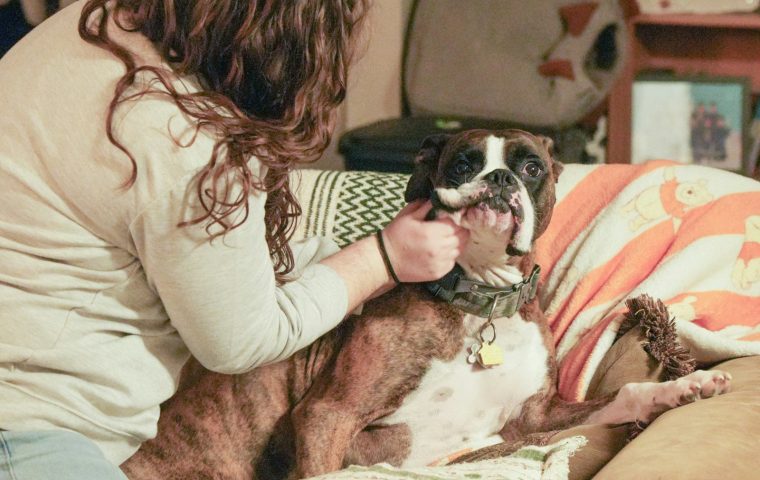
If your pet shakes its head more than a few times a day for more than a couple of days, that's worth a vet visit. Reach inside the ear flap and give a gentle sniff. A healthy ear smells like almost nothing.
Ignoring the smell coming from the ears
I rank ear odor near the top of my "owners notice it last" list. A yeasty, sweet, or frankly nasty smell from the ear is rarely subtle once you're looking for it, yet it blends into the general background of pet smells at home.
Why it matters: odor almost always means an active infection, often yeast or bacteria thriving in a warm, moist canal. Floppy-eared breeds and pets who love water are especially prone, because trapped moisture is exactly what these organisms want.
Here's the part people get wrong: please don't reach for cotton swabs or pour in a home remedy you read about online. You can pack debris deeper or damage the canal. Let your vet look first, because the right cleaner depends on what's actually growing in there.
Skipping routine eye and ear handling until something's wrong
Many pets never get their faces gently examined until they're already hurting, and that's a missed opportunity. If the only time you touch the ears is when they're sore, your pet learns that face-handling equals discomfort, which makes future checks harder.
Why it matters: a pet that's comfortable being handled lets you spot redness, swelling, or a wince long before it becomes a crisis. Calm handling is also a safety skill. The same gentle, low-pressure mindset I describe for mealtime in using a slow feeder to slow down fast eating works beautifully for body checks too.
Pair a quick weekly eye-and-ear look with something your pet already loves, like a post-walk treat or a lap session. Keep it short and pleasant. Lift each ear, glance at each eye, offer a reward, done.
Assuming healthy young pets and indoor cats are exempt
There's a quiet belief that eye and ear trouble belongs to old or outdoor animals. I've treated plenty of kittens with crusty, infected eyes and young indoor cats with itchy ear mites passed along before adoption.
Why it matters: respiratory viruses, mites, allergies, and small foreign bodies don't check an animal's age or lifestyle first. A pet that never goes outside can still develop an eye ulcer or an ear infection.
This is also where staying current on core protection pays off, since some eye and respiratory problems trace back to preventable infections. If you're unsure what your pet is due for, my rundown on which vaccines your dog or cat actually needs is a practical place to start that conversation with your vet.
When to stop watching and go in
Most of these checks are about catching small things early, but a few signs mean don't wait. A sudden cloudy or bluish eye, an eye that's bulging or clearly painful, vision that seems to vanish overnight, or a pet crying out when you touch the head all warrant prompt veterinary attention.
If your pet shows signs of a true emergency, such as collapse, trouble breathing, seizures, suspected poisoning, or bloat, contact your veterinarian or the nearest emergency clinic immediately. For eye injuries, sooner is always safer.
Nothing here replaces an exam. If something looks off, the kindest thing you can do is let your own veterinarian take a proper look rather than guessing from a screen.
Compare both eyes for symmetry and discharge. Watch for squinting or pawing. Note head shaking, scratching, or a tilt. Smell each ear. Reward your pet so handling stays easy. Call your vet for anything that lingers more than a day or two.
How often should I check my pet's eyes and ears?
A quick weekly look is plenty for most pets. Floppy-eared dogs, swimmers, and animals with a history of infections may benefit from a check every few days. Always involve your vet for anything that seems off.
Is a little eye discharge normal in dogs and cats?
A small amount of clear or slightly crusty discharge in the morning can be normal. Thick yellow or green discharge, redness, squinting, or one eye that's much worse than the other deserves a vet's evaluation rather than home treatment.
Can I clean my pet's ears at home?
If your vet has examined the ears and recommended a specific cleaner, gentle routine cleaning can help. Avoid cotton swabs deep in the canal, and never pour in unverified home remedies, since the wrong product can worsen an undiagnosed infection.
Eyes and ears tend to whisper before they shout. A few quiet minutes each week, paired with a treat and a calm hand, is usually all it takes to hear the whisper. When in doubt, lean on your veterinarian. They'd far rather see Biscuit early than catch that smell late.