
Last Saturday a client texted me a video of her rescue terrier, Pickle, doing a wobbly spin she'd taught that very morning. By Sunday he was spinning both directions and offering a paw nobody had asked for. That's the quiet magic of a weekend trick session: low pressure, genuinely fun, and a quick shift in how your dog regards you.
You don't need a fancy clicker or much free time, just a handful of treats, a quiet corner, and the patience to stop while your dog still wants more. The owners who succeed keep their sessions short and playful.
Here are ten tricks I'd start with this weekend, arranged from easiest to trickier. Pick three, not ten.
Keep sessions to three to five minutes, use treats your dog finds exciting, and always end on a win. Five short bursts beat one long, frustrating slog every time.
1. Touch (nose to your hand)
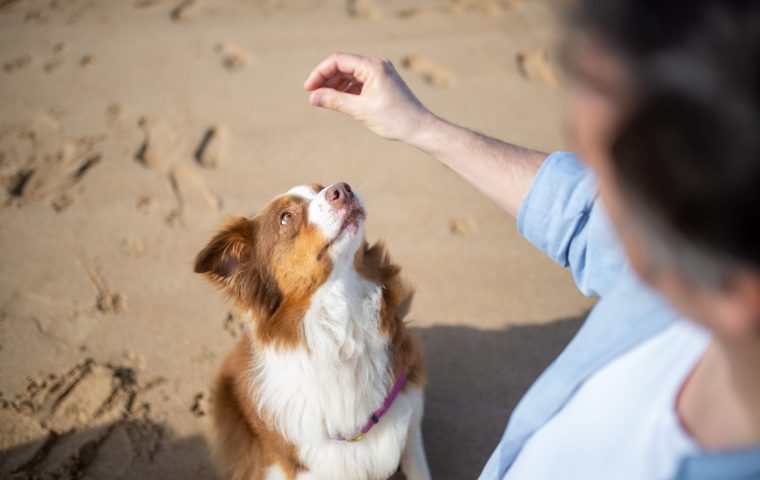
This is the trick I always teach first, so hold a flat palm an inch from your dog's nose, and the instant that wet nose bumps it, mark with a cheerful "yes" and a treat.
Most dogs investigate within seconds, since they're naturally curious. Repeat until your dog targets your palm deliberately, then introduce the word "touch" just before contact. I teach it first because it gives anxious dogs a clear, manageable job to focus on.
2. Spin in a circle
Take a treat, hold it at your dog's nose, and slowly lure their head around in a full circle so the body follows. When they finish the loop, mark and reward.
After a handful of reps, switch to your finger tracing a circle, and add "spin" once the movement is reliable. This was Pickle's gateway trick, and once a dog masters a single cue, the next comes faster.
3. Shake or give paw
Sit your dog down, then gently tickle the back of one paw or hold a treat in a closed fist near the floor. When the paw lifts slightly, mark and reward.
Shape it gradually, rewarding a twitch, then a lift, then the paw landing in your hand, and add "shake" once they reach for you. Fair warning: enthusiastic dogs become relentless pawing machines, so reward the paw only on cue and ignore unsolicited offers.
4. Sit pretty (the beg)
From a solid sit, hold a treat just above your dog's nose so they must lift their front feet to reach it, and reward the second both paws leave the ground.
Build the height gradually over the weekend, and because this pose demands real core strength, keep your reps low and never force the pose.
Skip the beg, the high five, and other upright tricks for very young puppies, seniors, or dogs with known joint or back issues. If your dog seems stiff, reluctant, or sore, stop and consult your veterinarian.
5. Lie down on cue
With your dog sitting, hold a treat at their nose and lower it straight to the floor between the front paws before sliding it toward you, and most dogs fold into a down to follow it.
Mark the moment their elbows touch the ground, and if your dog keeps popping back up, you're moving the treat too fast, so slow down and reward smaller increments. Down is also a calming position, and a dog who settles on cue is far easier to live with at home.
6. High five
This one builds on the paw work from trick three, so ask for a paw, then raise your hand higher and turn your palm toward your dog, and when their pad meets it, throw a party.
Kids adore teaching this, and it's a great way to involve the whole family. Keep your hand at chest height so they never have to jump.
7. Go to your mat (place)
Toss a treat onto a towel or bed and say nothing yet, and when your dog steps on, mark and reward right there, repeating until they're trotting over on their own.
Then add the word "place" or "mat" as they head toward it, rewarding them for staying put with a treat.
I lean on this one constantly, since a dog with a solid mat cue is easier to manage at the door. It pairs well with this piece on why your dog barks at everything and how to calm it, because a settled dog isn't patrolling the window.
8. Leave it
Put a boring treat in your closed fist and let your dog sniff, lick, and nudge it. The second they back off, mark and reward from your other hand, never the fist they were pestering.
Progress to a treat under your cupped hand, then to an uncovered treat you can quickly block, adding "leave it" once they reliably look away.
"Leave it" is genuinely protective around dropped pills, chocolate, grapes, and other household hazards, though it's a useful layer, not a guarantee. If you ever suspect your dog has swallowed something toxic, call your vet or an emergency clinic immediately.
9. Come when called (the fun version)
Weekend recall is the playful starter, not the finished product. Crouch down, open your arms, sound thrilled, and reward big when your dog comes barreling in, but never call them over for something they dislike.
Keep it to short distances indoors and make coming to you the best decision they've made all day. Treat it as the seed of a serious skill, and for the dependable, off-leash version, my guide to training a recall so your dog comes every time goes further.
The biggest mistake I see is calling the dog only when something unpleasant follows, like a bath; once you poison that word, recall unravels fast.
10. Roll over
Save this for last, because it demands the most of your dog. From a down, lure a treat from their nose toward one shoulder so they flop onto a hip, then guide it until they roll over.
Break it into pieces, rewarding the head turn, then the hip flop, then the full roll. Some dogs manage it in one session and others need a few days, and both are perfectly normal.
If your dog seems stuck, they're often just not comfortable exposing their belly yet, and that's information rather than failure, easing with time and trust.
Once your dog knows a few cues, link them into a tiny routine such as touch, spin, then sit pretty. Chaining behaviors keeps your dog thinking and turns a pile of party tricks into a shared language.
Keeping the weekend momentum going
The tricks matter less than what they quietly build. Every "yes" and treat tells your dog that cooperation pays off, and that trust spills into harder challenges like calm greetings and manners around other animals.
That same trust smooths the trickier introductions life throws at you. If you're adding a second dog soon, the self-control these games teach will help, so read up on introducing a new dog to your resident dog calmly beforehand.
End every session a beat before your dog gets bored, because one left wanting a final rep comes running next time you reach for the treat pouch.
How long should each training session be?
Three to five minutes is the sweet spot for most dogs, and puppies often need even less. Several short bursts outperform one marathon session, because dogs learn best when you stop while they're still keen.
What if my dog isn't interested in the treats?
Try training before a meal, when your dog is a little hungry, and upgrade to something high value like soft chicken or cheese. If your dog still seems uninterested, lethargic, or off their food, check with your veterinarian to rule out a problem.
Is my dog too old to learn tricks?
Not at all. Older dogs learn happily, and you simply choose gentler tricks while skipping anything that strains the joints, like the beg or roll over. If your senior shows stiffness or mobility concerns, ask your vet which movements are safe first.
Pick a couple of these, grab a handful of treats, and give it a genuine go this weekend. You'll be amazed how quickly a few minutes of silliness builds a more confident dog and a stronger bond. Keep it light, keep it short, and let your dog set the pace.