
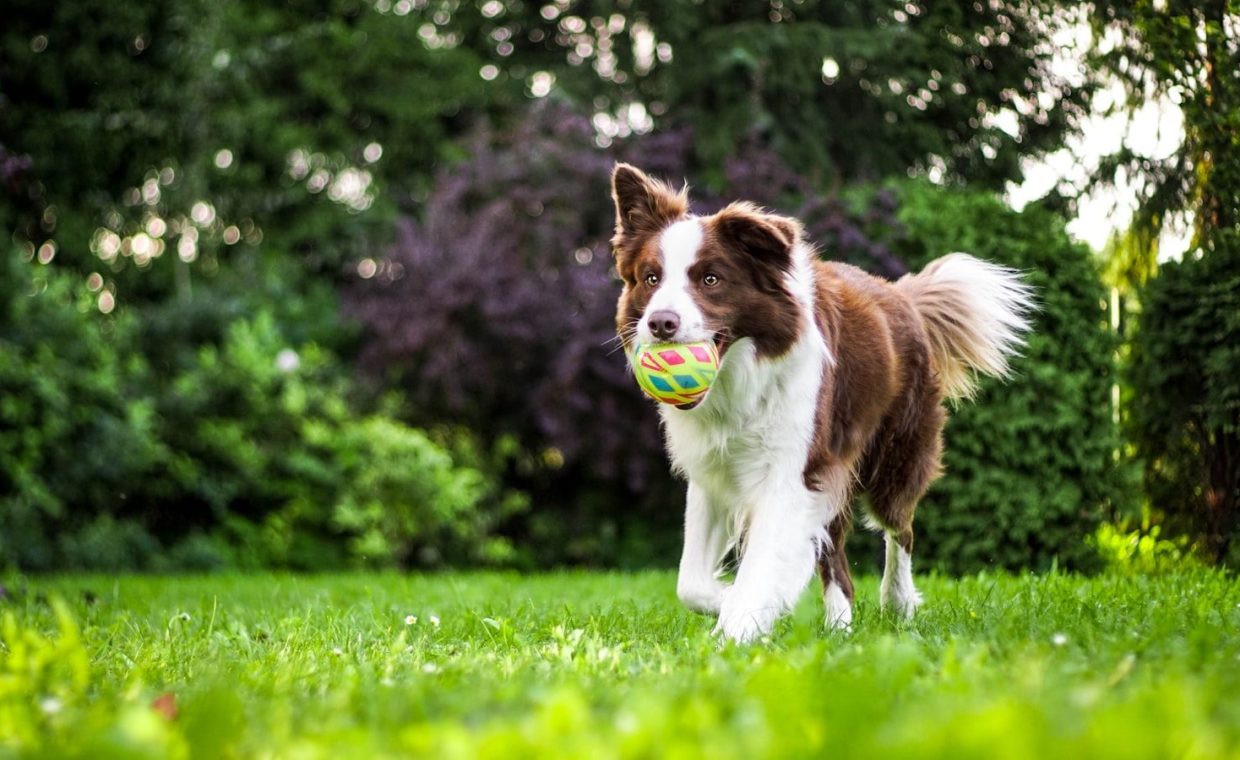
The first time I met Juno, she was orbiting the living room like a furry comet. Eighteen months old, tri-color, and absolutely wired. Her owners, Dana and Rob, had called me after a week of barely sleeping. Juno was bolting fence lines, nipping ankles when the kids ran, and chewing the legs off a dining chair by lunchtime.
They thought they had a "bad dog." What they actually had was a brilliant working breed with nothing to do and no rhythm to her day. Border Collies were built to think and move for hours. Drop one into a quiet house with a few short walks and you get exactly what they got: a smart, frustrated dog inventing her own jobs.
Here is what we changed over eight weeks, and why structure did more for Juno than any single "calm down" command ever could.
The dog we started with
Let me paint the real picture, because it matters. Juno wasn't aggressive. She was overstimulated and under-directed, which is a very different problem.
She'd sleep maybe four restless hours, then spend the rest of the day in a loop of pacing, barking at the window, and demanding attention by shoving a tennis ball into the nearest lap. By evening she was too tired to think but too revved to settle, that miserable "tired and wired" state owners of busy breeds know well.
Dana kept apologizing for her. I kept telling her there was nothing to apologize for. A dog like this isn't broken; she's just running an engine with no track to run on.
Predictability lowers a dog's baseline stress. When meals, walks, and rest happen at roughly the same times, the dog stops scanning for "what's next" and starts relaxing into the day. For high-drive breeds, that calm is the foundation everything else is built on.
Building the daily skeleton
We didn't start with tricks or corrections. We started with a clock. The single biggest change was giving Juno a day she could predict.
Morning meant a real walk before breakfast, not a quick pee break, but twenty to thirty minutes of sniffing and movement. Sniffing matters more than people think; it's genuine mental work for a dog, and it drains energy that pacing never will.
Then breakfast, then a settled rest period in her crate with the door open. Midday we slotted in a short training session. Afternoon got a play-and-sniff session in the yard. Evening was another walk, dinner, and a chew. The exact times flexed, but the order almost never did.
Write the routine on a sticky note for the fridge for the first two weeks. Every adult in the house follows the same order. Consistency between humans is what makes a routine stick; a dog can't learn a pattern that changes depending on who's home.
Mental work beat physical work
This is the part most owners get backwards. Dana's instinct was to exhaust Juno with more fetch, longer runs, harder exercise. But you can't out-run a Border Collie. Try, and you build a canine athlete who needs even more tomorrow.
What actually settled her was making her think. We fed half her breakfast out of a snuffle mat and a puzzle feeder. We taught her to find named toys. We hid treats around the room and sent her searching.
Ten minutes of nosework left Juno more genuinely tired than an hour of ball-chasing. I've watched it transform plenty of frantic dogs, the same way short, focused practice can turn a reactive dog around. I wrote about that approach in a piece on how brief daily training sessions reshaped one anxious dog's behavior, and the principle is identical here: quality and consistency over duration.
Teaching her to actually rest
Here's something nobody warned Dana and Rob about: a wired dog often doesn't know how to switch off. Rest is a skill, and Juno had never practiced it.
We built a "settle" routine on a specific mat. After her midday session, Juno went to the mat with a frozen stuffed chew and stayed there while the household carried on around her. At first she lasted ninety seconds. Within two weeks she was choosing the mat on her own and napping for real.
Enforced rest sounds counterintuitive for a high-energy dog, but it's essential. Overtired dogs, like overtired toddlers, get more frantic, not less. Protecting her sleep was as important as draining her energy.
Sudden hyperactivity, pacing, or repetitive licking and chewing can occasionally signal pain, anxiety, or a medical issue rather than simple boredom. If a calmer routine doesn't help within a few weeks, or you notice obsessive paw-licking, talk to your veterinarian. Compulsive licking has many causes worth ruling out, which I cover in this look at the common reasons dogs lick their paws and how to address them.
The week-by-week change
Progress wasn't a straight line. Week two was actually worse before it got better. Juno tested the new boundaries hard. Dana texted me a photo of a shredded cushion with a single word: "regret." I told her to hold the line. She did.
Here's roughly how the eight weeks unfolded.
| Phase | What we focused on | What changed in Juno |
|---|---|---|
| Weeks 1-2 | Fixed daily order; morning sniff walks | Still chaotic, but sleeping a little longer at night |
| Weeks 3-4 | Puzzle feeding and nosework added | Less window-barking; visibly tired in a good way |
| Weeks 5-6 | Mat settle and enforced rest | Choosing to lie down on her own; fewer demands |
| Weeks 7-8 | Maintaining the rhythm, light impulse work | Calm enough to nap through a quiet afternoon |
By week eight, the comet had become a dog who'd flop on her mat and sigh while Dana worked at the kitchen table. Not a different dog, the same clever Juno, just with somewhere for all that drive to go.
What I'd tell any owner of a busy breed
If you're living with a Border Collie, Aussie, Malinois, or any of the high-octane herding and working breeds, the lesson is the same. The problem is rarely too much energy. It's energy with no structure and no outlet for the mind.
And honestly, this is worth knowing before you bring one home. These dogs are wonderful, but they are a serious commitment of time and engagement. If you're choosing a first dog and want an easier on-ramp, I'd point you toward my rundown of breeds that suit first-time owners before you fall for a working dog's good looks.
Give a busy breed a predictable day, real mental work, and permission to rest, and most of the "behavior problems" quietly dissolve. Juno didn't need to be fixed. She needed a job and a routine, and a couple of patient humans willing to give them.
Same daily order every day. A real sniff walk before breakfast. Meals fed through puzzles and snuffle mats. Short nosework over long fetch. A dedicated mat for enforced, protected rest. Consistency between every human in the house. Patience through the messy middle weeks.
Common mistakes I see owners make
The first is the exercise trap: adding more running when calm is what's needed. The second is inconsistency, where one person enforces the routine and another caves to a pushy nose. Dogs read that gap instantly.
The third is giving up at the two-week mark, right when a high-drive dog tests hardest. The dip before the breakthrough is normal. If you bail then, you teach the dog that pushing back works.
Go slow, stay boring and predictable, and trust that the calm is coming. With smart breeds, it almost always does.
How long does it take to calm a high-energy dog with a routine?
Most owners notice the edges softening within two to three weeks, with bigger changes by six to eight weeks. Every dog differs, and consistency matters more than speed. Expect a rough patch early on before things improve.
Is mental stimulation really better than long walks for herding breeds?
Both matter, but mental work tires these dogs more efficiently and doesn't build endless physical stamina the way constant running does. Aim for a mix: sniffing, puzzles, and training alongside reasonable exercise and protected rest.
When should I worry that hyperactivity is a health issue?
If a calmer, structured routine brings no improvement over a few weeks, or you see obsessive licking, pacing, or signs of distress, consult your veterinarian. They can rule out pain, anxiety, or medical causes. Seek emergency care for collapse, seizures, or trouble breathing.
Juno's story isn't unusual. I see some version of it most months. Busy breeds aren't difficult dogs, just demanding ones, and structure answers most of what they're asking for. If you're in the chaotic early days with a clever, wired pup, hang in there and keep the routine boring. The calm dog is in there, waiting for a day that makes sense.