
I keep a small grooming checklist taped inside my supply cupboard, and most weeks the brushing, the quick paw wipe, and the occasional bath are enough. Then one Tuesday I ran my hand down my spaniel's back leg and felt a marble-sized knot that hadn't been there on Sunday. That tight little mat was the coat telling me my routine had quietly fallen behind.
Home care does a lot of the work, but every dog reaches a point where a trained set of hands matters, before a minor tangle becomes a skin problem. Here are nine signs I watch for, whether you have a wiry terrier, a fluffy doodle, or a short-coated rescue who "shouldn't need much."
1. Mats you can't slide a comb through
A few loose tangles after a muddy walk are normal. A true mat is different: the hair has felted into a dense pad that grips the skin, and a comb stops dead at the surface.
Mats trap moisture and pull on the skin, which can cause redness or sores underneath. If you've worked at one spot with detangler and it hasn't budged, stop tugging. Forcing it can tear skin. A groomer can save the coat with careful sectioning, or shave a far-gone mat safely.
Press the spot flat and try to part the hair to the skin with two fingers. If you can't reach skin and the hair won't separate, it's a mat, not a tangle, and home brushing won't fix it.
2. An odor that comes back within a day of bathing
Every dog has a faint "dog" smell, and that's fine. What's worth noticing is a sour, musty, or yeasty odor that returns almost immediately after a bath, or lives in one area like the ears or paws.
Persistent odor often means oils, debris, or moisture trapped deep in the coat, places a quick home bath never reaches, and a professional wash and blow-dry can clear it. If the smell is strong, one-sided, or paired with scratching, treat it as a health flag and check with your vet.
3. The shedding has outrun your brush
Seasonal coat blows are real, and some breeds drop an astonishing amount of undercoat twice a year. If home brushing isn't keeping up (tufts everywhere, loose hair lifting off in clumps), a groomer's de-shedding treatment and high-velocity dryer remove far more dead undercoat in one session than weeks of home effort.
It helps to know what's normal first. If you're not sure whether the volume is seasonal or something more, my piece on the common causes behind heavy shedding and how to control it walks through what to rule out. A good rule: if you brush thoroughly and still pull a full handful minutes later, day after day, the coat is asking for help.
4. Nails that click, or curl
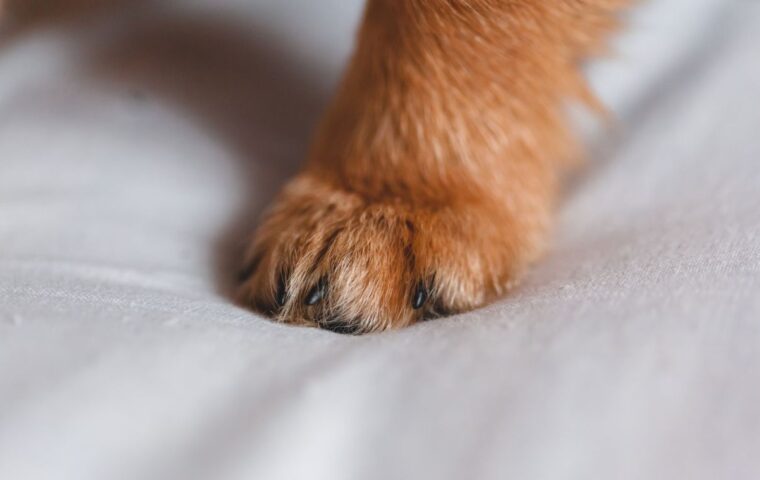
You should not hear your dog tapping across the kitchen floor like tiny tap shoes. Nails that touch the ground push back into the toe joints with every step, and in bad cases they curl toward the pad and grow into it.
The quick (the blood vessel inside the nail) also lengthens when nails go untrimmed, making them harder to shorten without bleeding. If home trims turn into a wrestling match, a groomer or vet tech can do it quickly.
Long nails aren't just cosmetic; they shift a dog's weight onto the back of the paw, strain joints, and make slips more likely on smooth floors, a real concern for older dogs.
5. Hair hiding the eyes, paws, or sanitary areas
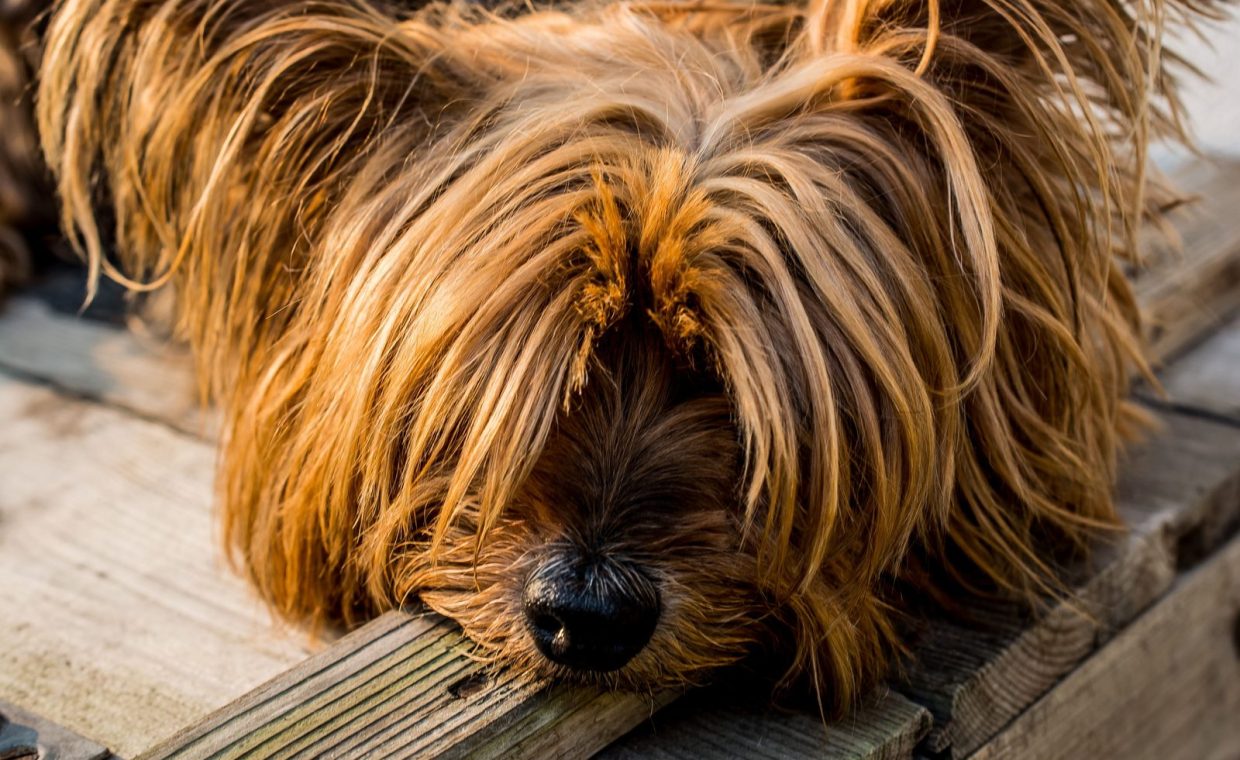
Overgrowth creeps up on you. One week the fringe softens the eyes; a few weeks later your dog is peering through a curtain, tracking grit on furry paw pads, or struggling to stay clean around the rear.
These detail trims are fiddly at home, because they happen near sensitive spots, and a groomer has the right small scissors and steady technique to tidy them without stress. Watch the paw fur especially; long tufts between the pads collect mud and grass seeds and make floors slippery.
6. Your dog flinches, scratches, or licks one spot
Coat problems often show up in behavior before you spot them by hand. A dog who suddenly objects to being touched along the back, scratches the same flank, or licks one paw obsessively may be telling you something is uncomfortable under the fur: a forming mat, debris, or a hot spot a thorough groom will reveal.
If the licking or scratching is intense, constant, or breaks the skin, loop in your veterinarian. Itch that won't quit is a medical question, not just a grooming one.
7. The coat looks dull, greasy, or "clumpy"
A healthy coat has a bit of life to it. When it goes flat, greasy at the roots, or separates into oily clumps brushing won't smooth, the balance of oils and dead hair has tipped.
This is common in dogs whose dense coats never fully dry at home. Professional bathing pushes shampoo to the skin and dries the coat fully, resetting that clumped texture a quick rinse can't.
8. Routine handling has gotten harder
Grooming touches the same body parts that other care does: mouth, paws, ears. If your dog has started dreading the brush or pulling paws away, that tension can spread to everything else.
The calm, confident handling at a good grooming session can rebuild a dog's tolerance for being touched. That same patience carries over to tasks like getting through a tooth-brushing session without it turning into a battle, where a relaxed dog makes all the difference.
9. It's simply been too long, and you can tell
Sometimes there's no single dramatic sign, just an accumulation. The coat is matted behind the ears, the nails are a touch long, the smell is creeping back, and the dog looks unkempt. That overall "due for a tidy" impression is itself a valid reason to book.
Putting it on the calendar means you stop relying on memory, usually where home routines fall apart, much like the slow, scheduled approach that keeps the peace when you introduce a new cat to the one you already have.
Some signs need medical care first: open sores, bald patches, strong one-sided odor or discharge, lumps under the coat, or relentless itching. A groomer is not a substitute for a veterinary exam. For any emergency (trouble breathing, collapse, seizures, suspected poisoning, or a swollen, hard belly), go straight to an emergency vet.
Mats a comb won't pass through, odor that returns within a day, shedding your brush can't keep up with, clicking or curling nails, hair over the eyes and paws, flinching or one-spot licking, a dull or greasy coat, harder handling, and that "it's been too long" look. Any one is reason to book a groom.
How often should my dog see a professional groomer?
Most coated breeds do well every six to eight weeks, with regular home brushing in between. Short-coated dogs can often go longer but still benefit from periodic baths, de-shedding, and nail trims. Your groomer can suggest a schedule for your dog's coat.
Can I just shave a badly matted dog at home to start fresh?
It's risky. Mats sit tight against the skin, and home clippers can nick or cut a dog who shifts suddenly. A professional has the right blades and technique to remove severe matting safely, so it's worth leaving that job to them.
My dog hates being groomed. Is there anything I can do?
Yes. Keep home sessions short and paired with treats, handle paws and ears gently during calm moments, and choose a patient groomer who works at the dog's pace. Tolerance usually builds over time. If fear is extreme, ask your vet about low-stress handling.
Reading your dog's coat gets easier the more you practice, and none of these signs has to become a crisis if you catch it early. Run your hands over your dog this week, check the nails, give the coat a sniff, and book a visit when two or three cues line up. For anything that looks like a health problem, your veterinarian is the right next call.