
Last winter I watched a Labrador named Biscuit stop dead on a snowy sidewalk, lift one back paw, and refuse to move. His owner assumed he was being stubborn. He was not. A little ball of ice and road salt had wedged between his toes, and every step drove it deeper.
Paws are easy to ignore right up until something goes wrong. They carry your dog's whole weight across hot pavement, gravel, and frozen grass, and most dogs keep going long after they should stop. A five minute check a few times a week catches almost every small problem before it turns into a limp.
Here is the routine I teach owners, built around the seasons, so paws stay comfortable no matter what the ground is doing.
Know What a Healthy Paw Looks Like
Before you can spot trouble, you need a baseline. Pick a calm moment, sit on the floor with your dog, and handle each foot the way a groomer or vet would.
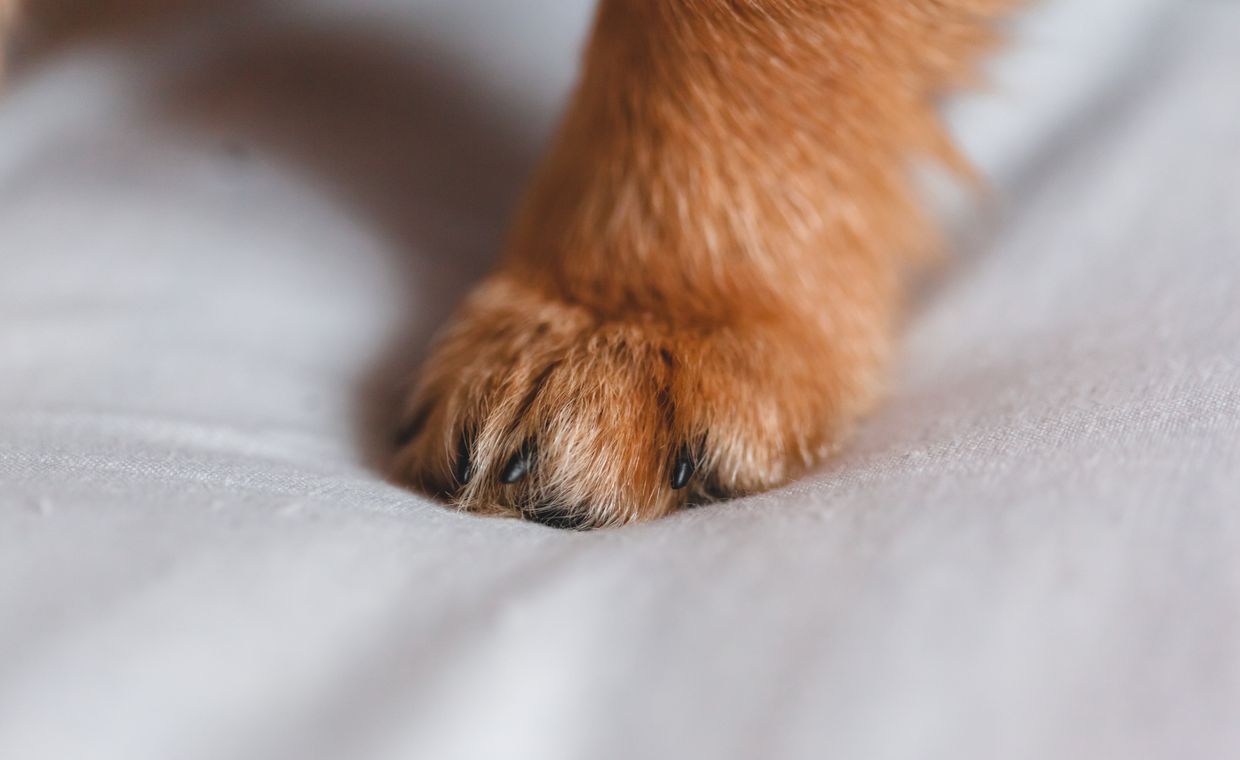
A healthy paw pad feels like firm rubber, not cracked leather and not soft mush. The webbing between the toes should be clean and dry, the nails should clear the floor when your dog stands, and there should be no smell beyond that faint corn chip odor most dogs have.
Run your thumb over each pad and press lightly around the base of every nail. You are feeling for heat, swelling, or any flinch. Dogs are honest with their feet, so a quick pull away usually means you found the sore spot.
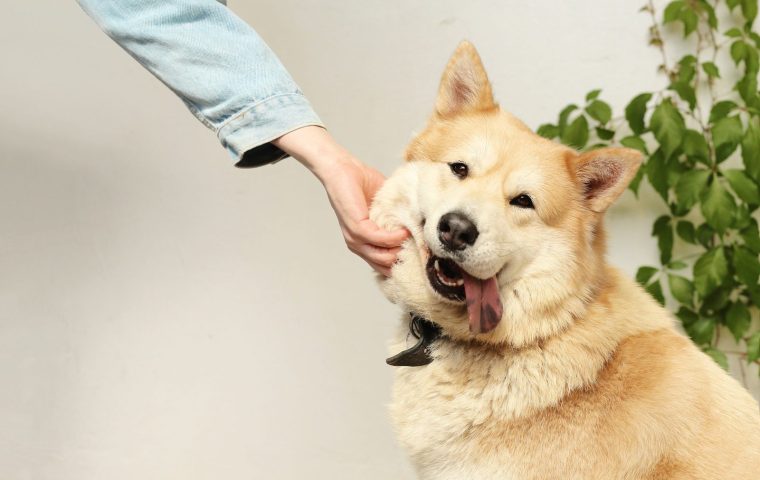
Touch your dog's paws during cuddles, not only when you are about to trim or clean them. A dog who thinks foot contact always means something unpleasant will fight you every time. Pair it with a treat and a calm voice so paws become no big deal.
Your Weekly Paw Check, Step by Step
You do not need special tools for this, just good light and a couple of minutes. I run through the same order every time so nothing gets missed.
- Spread each set of toes and look between them for grit, matted hair, foxtails, or stuck debris.
- Check the pads for cracks, cuts, blisters, or worn patches that look raw.
- Look at the nails, including the dewclaw higher up on the inner leg, and note any that are too long or splitting.
- Sniff. A yeasty or sour smell often points to infection or trapped moisture.
- Watch your dog walk a few steps afterward and confirm the gait looks even.
Long hair between the pads is worth trimming flush with the pad on fluffy breeds, because that hair grabs mud, ice, and burrs. Use blunt nosed scissors and only cut what you can clearly see.
Nails: The Part Most Owners Dread
Overgrown nails are one of the most common paw problems I see, and they cause more harm than people realize. When a nail touches the ground with every step, it pushes back into the toe joint, changes how your dog stands, and over time strains the leg.
The general rule is simple. If you hear clicking on hard floors or see the nail curving toward the ground, it is time for a trim. Most dogs do well with a light trim every three to four weeks.
If nail time turns into a wrestling match at your house, you are not alone, and it is fixable. Slow down, take one nail at a time, and read our guide on how to trim dog nails without drama so the whole thing stays calm. Small errors add up fast, so it also helps to review the most common nail trimming mistakes and fixes before you pick up the clippers.
The quick is the pink blood vessel inside the nail. On dark nails you cannot see it, so trim thin slivers and stop when you see a small dark dot in the center of the cut surface. If you nick it and it bleeds, apply styptic powder or plain cornstarch with light pressure, and stay calm so your dog does too.
Cleaning and Everyday Protection
After muddy walks, a quick wipe with a damp cloth keeps salt, allergens, and grit from sitting between the toes. Dry thoroughly, especially the webbing, because trapped moisture is what breeds yeast and odor.
Paw balm helps dogs with dry or cracked pads. A thin layer at night, worked into the pad, softens rough spots and adds a little barrier against harsh surfaces. Skip the heavy human lotions, which are too soft and can make pads more prone to injury.
Some dogs tolerate booties for extreme cold, hot pavement, or rough trails. They take patience to introduce, but for a dog that reacts badly to salt or heat, they can be worth it.
Paw Care Through the Seasons
The ground changes with the calendar, and so should your routine. Here is a quick reference for what each season throws at your dog's feet and how to stay ahead of it.
| Season | Main Hazard | What to Do |
|---|---|---|
| Spring | Mud, pollen, foxtails | Rinse after walks, check webbing for burrs, trim hair between pads |
| Summer | Hot pavement, cracked pads | Walk early or late, do the hand test on asphalt, use balm at night |
| Fall | Fallen debris, sharp sticks | Look for cuts after leaf covered walks, keep nails trimmed |
| Winter | Ice, road salt, dryness | Wipe pads after every walk, consider balm or booties, dry between toes |
Press the back of your hand flat on the sidewalk for seven seconds. If it is too hot for you to hold there comfortably, it is too hot for paws. On those days, walk on grass or wait for the cool of the evening.
When Licking or Limping Means Call the Vet
A dog who suddenly focuses on one paw is telling you something. Occasional licking is normal grooming, but constant chewing, redness, swelling, or a stained brown patch of fur usually points to allergies, infection, or something lodged in the skin.
The reasons behind foot fixation range from boredom to injury to environmental allergies, and it helps to understand the common causes of why dog licks paws so you can tell a habit from a health issue. When in doubt, a vet can rule out the medical ones quickly.
Book a visit when you see any of these: a cut that gapes or will not stop bleeding, a limp that lasts more than a day, a pad that is swollen or hot, a broken nail bleeding at the base, or a foot your dog will not let you touch at all.
Building the Habit
None of this works if it only happens once. The dogs with the healthiest feet belong to owners who fold paw care into things they already do, like a quick check after the evening walk.
Keep your supplies in one spot. A small kit with a damp cloth, styptic powder, blunt scissors, clippers, and balm turns a five minute job into something you actually do instead of put off.
Quick recap: Learn your dog's normal paw, check feet weekly, keep nails short enough to clear the floor, clean and dry between the toes after walks, adjust for the season, and treat sudden licking or limping as a signal worth investigating.
How often should I trim my dog's nails?
Most dogs need a trim every three to four weeks, but it depends on how much they walk on hard surfaces. If you hear nails clicking on the floor, they are due. Active dogs on pavement may wear them down enough to need less.
Is it normal for my dog to lick his paws sometimes?
A little grooming is normal. Constant licking, chewing, redness, or brown stained fur is not, and usually signals allergies, irritation, or something stuck. If it continues for more than a day or two, have a vet take a look.
Do dogs really need paw balm?
Not every dog does. Balm helps dogs with dry, rough, or cracked pads, and it adds a little protection in harsh winter or summer conditions. If your dog's pads feel like firm rubber and look smooth, you can skip it.
Healthy paws are quiet paws, the kind you barely think about because they simply work. Give them a few honest minutes each week, respect what the weather is doing to the ground, and let your dog's feet tell you when something is off. Do that, and most trouble never gets the chance to start.