
It is 6 a.m. and your dog has already done three laps of the living room, dropped a squeaky toy in your lap, and stared at you like the day is wasting away. You took him on a long walk yesterday. You are tired. He is not.
I hear this every week from owners of border collies, cattle dogs, young labs, and mixed-breed rockets who could probably outrun a bicycle. The frustrating part is that more of the same walk rarely fixes it. A dog like this needs a smarter combination, not just more miles.
Here is the good news, and I promise it works: a tired body plus a tired brain equals a genuinely calm dog. Below is the exact approach I use with clients, all force-free, all built to leave your dog happy rather than wound up.
Why More Walking Alone Rarely Works
Physical exercise burns energy, but it also builds fitness. A young athletic dog who runs every day simply becomes a fitter athlete who needs even more. You cannot out-walk a dog bred to work all day.
Mental work is different. Sniffing, problem-solving, and decision-making tire a dog in a way that laps around the block do not. Ten minutes of hard thinking can settle a dog more than an extra half hour of trotting.
The winning formula pairs both. Move the body to take the edge off, then engage the brain to bring on that deep, satisfied nap. If you want a baseline for the physical side first, this breakdown of how much exercise dog needs daily is a good place to calibrate before you add brain games.
For most high-drive dogs, aim for roughly one part brain work to every two parts body work. Ten minutes of scent or training after a twenty-minute romp lands better than forty minutes of pure running.
Wear Out the Body the Smart Way
Physical outlets should raise the heart rate and use the whole dog, not just the legs. Sprinting, changing direction, and tugging engage more muscle and more focus than a steady march.
My favorite body-tiring activities need very little space or gear:
- Flirt pole: a long pole with a lure on a rope. Two or three short bursts of chase and catch drain a dog fast. Let him win and hold the toy to end on a good note.
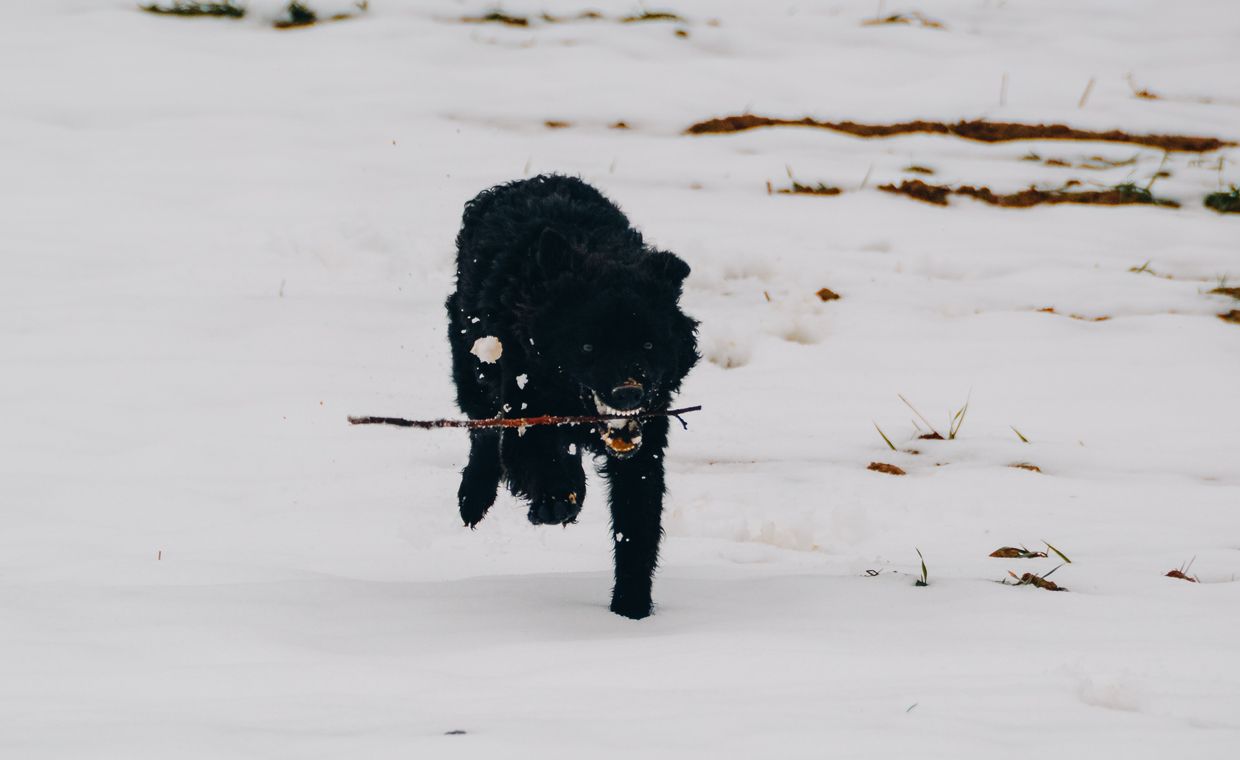
- Fetch with rules: ask for a sit or a spin before each throw. The pauses add self-control, which is tiring in the best way.
- Hill or stair recalls: jog him up a gentle slope, then call him back. Inclines double the effort without doubling the distance.
- Structured tug: a game of "take it" and "drop it" builds impulse control and burns energy at the same time.
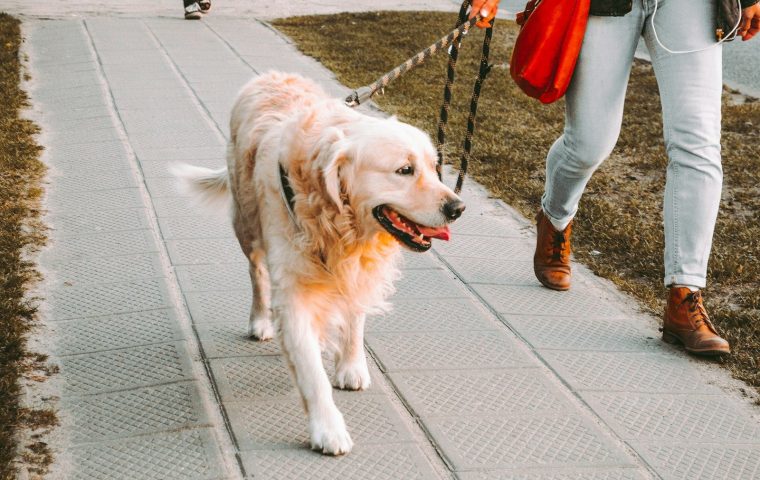
One quick caution. If your walks feel like a battle already, the problem may be handling rather than distance. A lot of pulling, lunging, and zigzagging traces back to fixable habits, and this guide to dog walking mistakes and fixes covers the ones I see most.
Skip repetitive high-impact games (long fetch on hard ground, jumping off furniture) for puppies under about 12 to 18 months and for senior dogs. Growing and aging joints take real damage from that pounding. When in doubt, ask your vet what your dog's body is ready for.
Tire Out the Brain
This is the part most people skip, and it is the part that produces the calm you are chasing. A thinking dog is a settling dog.
Start with the nose, because scent work is the single most efficient brain-drainer I know. Scatter kibble in the grass and let him hunt. Hide a treat in one of three boxes and cheer him on. A five-minute "find it" game after a walk often knocks a dog out for the afternoon.
Food puzzles pull their weight too. Feed at least one meal a day out of a snuffle mat, a puzzle feeder, or a frozen stuffed toy instead of a bowl. Working for dinner beats inhaling it in nine seconds.
Training counts as mental exercise as well, and it is fun for both of you. Short reward-based sessions teaching new behaviors light up the brain and strengthen your bond. If you want a weekend project, these easy tricks to teach your dog on a weekend give you plenty to work with.
A Sample Daily Plan
You do not need hours. You need the right mix, done consistently. Here is how the two halves compare and how you might stack them across a normal day.
| Type | What it does | Try this | Rough time |
|---|---|---|---|
| Body | Burns physical energy, builds fitness | Flirt pole, fetch with rules, sniff-walk | 20-40 min |
| Brain | Creates deep, lasting calm | Nose games, puzzle feeder, trick training | 10-20 min |
| Recovery | Teaches the "off switch" | Chew, settle mat, quiet crate time | As needed |
A workable day might look like a brisk morning walk with sniffing built in, a puzzle breakfast, a short flirt pole session at lunch, a trick game in the evening, and a chew to wind down. Adjust the amounts to your individual dog and your schedule.
Do Not Forget the Off Switch
Here is a trap I see constantly. Owners keep their high-energy dog busy every waking minute, and the dog never learns to simply rest. That creates a pet who expects nonstop action and gets frantic without it.
Calm is a skill you can teach. Reward your dog for lying quietly on a mat. Offer a long-lasting chew during your evening downtime. Praise the moments he chooses to settle on his own, because what gets rewarded gets repeated.
Match the Work to the Dog
A two-year-old malinois and a nine-year-old spaniel do not need the same routine. Watch your own dog and let his recovery guide you.
Signs you have the balance right: he settles well between activities, sleeps soundly, and greets new games with a loose, waggy body. Signs you are overdoing it: soreness, reluctance to move, or a wired, cannot-switch-off edge that usually means too much arousal and not enough decompression.
Puppies need short bursts with lots of rest. Seniors often want more nose work and gentler movement. When behavior changes suddenly or your dog seems off, that is a vet conversation, not a training one.
How long does it take to tire out a high-energy dog?
Less time than most owners expect once you add brain work. Many dogs settle after 30 to 45 total minutes split between a body activity and a mental one, though young working breeds may need a bit more.
Is a dog park enough exercise on its own?
It can help, but free-for-all play often over-arouses dogs rather than settling them, and it does nothing for the brain. Use it as one tool, then add structured games and nose work at home.
My dog is still hyper after a long walk. What am I missing?
Usually mental stimulation and an off switch. Try a five-minute sniffing or puzzle session after the walk, and reward calm resting at home. If the restlessness seems extreme or new, check with your vet.
Start small this week. Pick one body game and one brain game, run them for a few days, and watch how much calmer your dog becomes by evening. You are not aiming to exhaust your dog into submission, you are helping a busy brain and body find their off switch. Do that consistently and you will both sleep a whole lot better. Have fun with it.