
The first time I heard the sound at 5 a.m., I thought our cat Saffron had knocked something off the dresser. It was that horrible hack-hack-hack, and a minute later there was a hairball on the hallway rug. By month's end I'd counted seven, and I was tired of scrubbing carpet before coffee.
Saffron is a long-haired rescue, around five years old, with a coat that sheds like a snow machine. Our vet had ruled out anything serious, which was a relief. What was left was a grooming problem, and grooming problems respond to a routine. So I built one, and this is what I changed.
I'm not promising your cat's results will mirror ours. Every cat is different. But the routine is simple, cheap, and easy to keep up, and that's usually the part that matters.
Where we started: a coat we were ignoring
If I'm honest, I brushed Saffron maybe once a week, in a hurry, with a cheap brush from a checkout aisle. She'd squirm, I'd quit early, and we both walked away annoyed.
So a lot of that loose undercoat had nowhere to go except down her throat when she self-groomed. A long-haired cat with a neglected coat swallows a lot of hair keeping tidy. The hairballs were the symptom; the dead fur I wasn't removing was the cause.
I also found two small mats behind her ears and one near her armpit that I'd missed completely. That was my wake-up call: I wasn't grooming her so much as petting her with a brush.
The plan I actually wrote down
I'm a checklist person, so I treated this like any habit I want to stick. I wrote the plan on a sticky note and put it on the treat cabinet, the one spot I open every single day.
Short daily sessions (3-5 minutes), same time each evening, treat at the end, and one longer weekend session for a thorough comb-through. Quantity of brushing mattered less than consistency.
The two rules I gave myself were boring on purpose. Never skip a day in the first month, even a token 60-second pass counted. And always end before she got grumpy. Stopping while she still liked it kept her cooperative.
Before any of this, I upgraded my tools, because the checkout-aisle brush wasn't cutting it. My piece on the grooming tools every pet owner should actually own covers the short list worth buying. For Saffron I used three: a stainless steel comb, a slicker brush, and a de-shedding tool for the weekend session.
Week one: small sessions, big resistance
The first few evenings were not glamorous. Saffron tolerated about 90 seconds before flicking her tail and walking off. I let her go every time. No wrestling.
What helped was starting where she likes being touched, the cheeks and chin, then moving to the back and sides. The belly and back legs came last and gently, because that's where most cats draw the line. I worked the comb in the direction the fur grows, in short strokes, checking for tangles.
By day five she was sitting down when she saw the comb come out. Not because she loved it, but because she'd connected it with a treat and a calm few minutes. That was the buy-in I needed.
The technique tweaks that made the difference
A brush in your hand isn't the same as good brushing. A few small adjustments did more than any tool.
Comb first, brush second
I started every session with the steel comb to find tangles before the slicker brush could yank one. If the comb snagged, I teased the spot apart with my fingers instead of forcing it. Pulling a mat hurts, and a cat remembers pain at grooming time.
Work in layers on the long fur
On her thick areas I'd lift the top coat with one hand and brush the layer underneath. That's where the loose undercoat was hiding, and the amount that came off the first time honestly startled me.
Keep the comb wherever you already sit in the evening. A tool you can reach without getting up is a tool you'll actually use. Pair it with something you already do, like your evening show, and the routine sticks itself together.
What changed, and how fast
I tracked hairballs on the same sticky note, a tally mark each time. The month before the routine: seven. The first full month of daily brushing: three. The month after: one.
I want to be careful, because a tidy story can oversell itself. Some of that drop is probably seasonal shedding settling down. But the coat change was undeniable: no new mats, less fur on the couch, and shorter self-grooming sessions with less loose hair to swallow.
Hairballs fell from seven in the pre-routine month to one by month three. No new mats formed. Brushing time settled at about 4 minutes a day. The biggest win wasn't a tool, it was showing up daily.
There was a quieter benefit too. Our vet could feel her skin during exams instead of working through felted fur, which makes spotting lumps or irritation more reliable.
What I'd do differently next time
I'd start the daily habit on day one of owning a long-haired cat instead of waiting for a problem. Catching loose fur before it mats is kinder than detangling later, and it builds trust while the stakes are low.
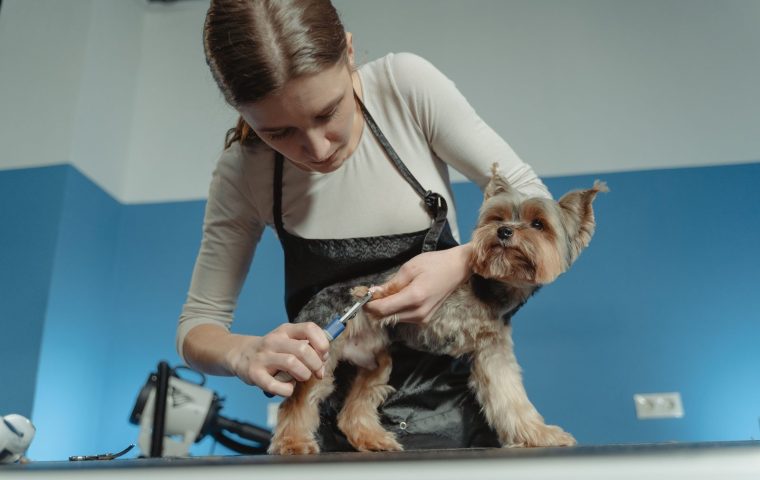
I'd also stop treating brushing as the whole of grooming. Once I had a coat routine, the rest of her care got more organized too. Trimming claws felt less daunting after she trusted my hands, and the calm, treat-and-stop approach is the same one I lean on in my walk-through on trimming nails without the drama. It's written for dogs, but the principle carries across species.
One tangent surprised me. When we added a tall cat tree and some window shelves, Saffron moved more and self-groomed a little less obsessively. I wrote about that in how vertical space transformed our bored indoor cat. A bored cat over-grooms, and an over-groomer swallows more hair, so enrichment was part of the hairball story too.
Frequent hairballs, repeated dry retching with nothing produced, a drop in appetite, lethargy, or constipation can point to something beyond loose fur. If anything seems off, talk to your own veterinarian, and treat trouble breathing, collapse, or repeated unproductive retching as a reason to seek veterinary care promptly rather than waiting it out.
The honest takeaway from our three months
Brushing didn't magically fix a medical issue, and I'd never present it that way. It removed the loose fur that was causing the hairballs, which is a more reasonable claim.
If your long-haired cat is leaving you 5 a.m. surprises, a short, consistent brushing routine is one of the cheapest things to try first, alongside a chat with your vet. The whole system fit on a sticky note, which is probably why it lasted.
How often should I brush a long-haired cat to reduce hairballs?
For most long-haired cats, a short daily session of a few minutes works far better than one long weekly battle. Daily passes remove loose undercoat before your cat swallows it. Consistency matters more than session length, so aim for brief and regular rather than occasional and thorough.
My cat hates being brushed. How do I start?
Begin where your cat already enjoys being touched, like the cheeks and chin, keep the first sessions under two minutes, and stop before they get irritated, not after. Pair brushing with a treat every time. Building positive associations slowly almost always beats forcing a long session that ends in a struggle.
When should hairballs be a reason to call the vet?
Occasional hairballs are common, but contact your veterinarian if they become frequent, if your cat retches repeatedly without producing anything, or if you notice appetite loss, lethargy, vomiting, or constipation. These can signal issues a brush won't fix, and your vet can rule out underlying causes.
Saffron still leaves the odd hairball, because she's a cat with opinions. But the 5 a.m. soundtrack is mostly gone, her coat is soft instead of felted, and we share a calm few minutes most evenings. For a sticky-note plan, that's a pretty good return.