
The first time I tried to tidy up my dog's coat at home, I bought the cheapest clipper I could find and a pair of "professional" scissors from the same shelf. Twenty minutes later I had a lopsided poodle, a sore wrist, and a new appreciation for groomers. I also had a question that took me a lot of trial and error to answer: which tool was actually the right one for the job?
If you are standing in the pet aisle squinting at a wall of grooming gear, you have probably asked the same thing. Clippers and scissors both cut hair, sure, but they behave very differently on a real dog with a real coat and a real opinion about being held still.
I have tested both tools on my own dogs and a few patient friends' dogs, so let me walk you through where each one shines, where each one bites back, and how to choose based on your dog rather than the marketing on the box.
Two tools, two very different jobs
Clippers are electric, fast, and built to take a coat down to an even length across a large area. You attach a guard comb, run the blade in the direction of hair growth, and the machine does the heavy lifting. They are the workhorse for bulk removal.
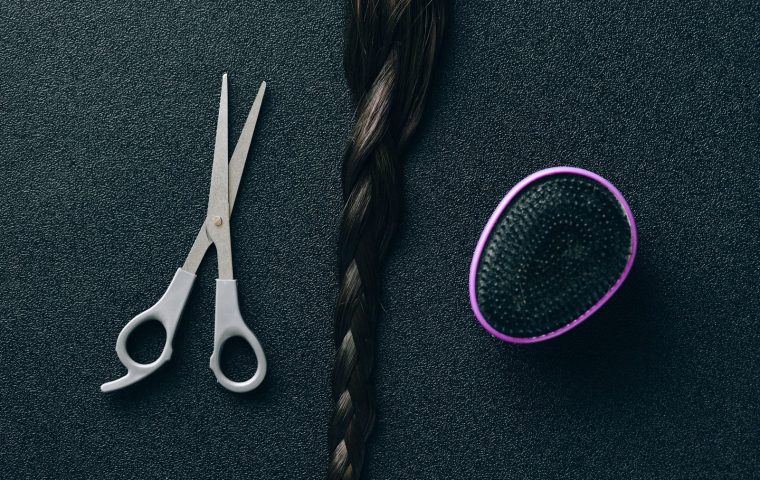
Scissors are slow, quiet, and precise. They give you full manual control over every snip, which matters around faces, paws, ears, and the fiddly bits clippers struggle with. They are the detail tool, and good detail work takes practice.
Most groomers do not pick one. They use clippers for the body and scissors for the finish. As a home owner, though, you may not want to buy and learn both at once, so the real question is which one earns the first spot in your kit.
Always work on a clean, dry, brushed-out coat. Cutting through mats or grime dulls blades, tugs the skin, and gives you a patchy result. A bad bath day undercuts even good tools, so it is worth sorting your wash routine first.
How they compare side by side
Here is the honest breakdown after a lot of hours and a few regrettable haircuts. I have rated each tool on the things that actually matter when you are the one holding it over a wriggling dog.
| Factor | Clippers | Scissors |
|---|---|---|
| Speed on the body | Fast; large areas in minutes | Slow; every snip is manual |
| Beginner safety | Forgiving with a guard comb on | Sharp points near skin; riskier |
| Finish quality | Even but uniform, can look "clipped" | Natural, tailored, breed-correct shapes |
| Best for coat type | Short to medium, dense coats | Long, curly, or double coats needing shape |
| Learning curve | Gentle; guards do the guessing | Steep; technique takes real practice |
| Noise and vibration | Loud, buzzy; scares some dogs | Silent; easier on nervous dogs |
| Upfront cost | Roughly $40 to $150 for a decent set | Around $20 to $60 for a usable pair |
| Upkeep | Blade oiling, cooling, occasional sharpening | Keep dry, oil the pivot, sharpen yearly |
Where clippers win
If your dog has a lot of coat to remove and you want it done before either of you loses patience, clippers are the easy answer. A short-haired Labrador rarely needs them, but a thick-coated dog heading into summer benefits enormously from a fast, even trim.
Guards are the secret. They clip onto the blade and set a consistent length, so even a nervous first-timer gets a tidy, uniform result without gouging a bald stripe. Start with a longer guard than you think you need, because you can always take more off, but you cannot glue hair back on.
The trade-off is noise. The buzz and vibration genuinely frighten some dogs, which is why I introduce the clipper switched off, let the dog sniff it, then turn it on at a distance for a few sessions before it ever touches fur. Pairing grooming with the same calm energy you would bring to a settled, low-stress bath routine makes a bigger difference than any feature on the box.
Clipper blades get hot with use, and a hot blade can cause a friction burn on thin-skinned areas like the belly and groin. Pause often, touch the blade against your own wrist to check the temperature, and use a cooling spray or swap to a spare blade if it feels warm.
Where scissors win
Scissors are the tool for everything clippers do badly. Faces, the hair around the eyes, fluffy paws, feathered legs, and the rounded "teddy" shapes on doodles and many small breeds all need the control only a blade in your hand can give.
They are also the gentle choice for a sound-sensitive dog. No motor, no vibration, just a quiet snip, which lets anxious dogs stay relaxed instead of bracing for the buzz. My older terrier will sit through a full scissor session but bolts the second a clipper switches on.
The catch is the learning curve. Holding tension, cutting straight, and blending so you do not leave steps in the coat takes real practice, and the points sit close to the skin. Go slowly, keep your free hand flat against the dog as a guard, and never cut toward a spot you cannot see.
Before you scissor near your dog, practice the cutting motion on a stuffed toy or an old fleece. It sounds silly, but getting comfortable with the open-and-close rhythm and your grip away from live skin builds confidence fast and costs nothing.
Match the tool to the coat
The right choice depends less on your budget and more on what is growing out of your dog. A few common cases sort most people quickly.
Curly and long coats like poodles, doodles, and bichons usually need clippers for the body to manage bulk, then scissors to shape the legs, face, and tail. This is the classic two-tool combo, and it is why these dogs cost the most at the groomer.
Double-coated breeds like huskies, shelties, and many shepherds are a special case. Please do not shave a healthy double coat down with clippers, since that coat insulates against both heat and cold and may grow back patchy. These dogs need brushing and deshedding far more than cutting, and scissors handle the occasional tidy.
Short and smooth coats like beagles and Labs barely need either tool. Tidy stray hairs with scissors and put your money toward brushing and bathing instead, since coat health for these dogs lives in the wash, not the cut. Avoiding the common bathing habits that strip and dry out a coat does more for them than any clipper ever could.
Which one should you buy first?
If I could only hand you one tool to start, I would base it entirely on your dog. For a thick, fast-growing, or summer-shedding coat, buy clippers with a set of guards; the speed and the forgiving guards make early mistakes survivable. For a small dog, a nervous dog, or a coat that only needs tidying around the face and feet, start with a quality pair of grooming scissors and a blunt-tip pair for around the eyes.
If you genuinely want to do full breed-style cuts at home, you will eventually want both, plus thinning shears for blending. Build up to that. Buy the body tool first, get comfortable, then add detail tools as your hands learn the work.
And know your limit. If your dog is matted, terrified, or squirms so hard that sharp metal near the skin feels unsafe, book a professional groomer for that session. There is no shame in it, and a single nick that needs a vet visit costs far more than a groom. Cats are a different conversation entirely, by the way, and the kind of low-stress, animal-led thinking behind letting a cat tell you which litter box setup it prefers applies just as well to a dog telling you, loudly, that today is not a grooming day.
Clippers win for fast, even bulk removal on thick or long coats and are the most beginner-friendly with guards on. Scissors win for detail, shape, and quiet sessions on nervous or small dogs. Most owners eventually use both, but pick your first tool based on your dog's coat, not the price tag.
Can I use human hair clippers or scissors on my dog?
It is not a good idea. Human clippers run hotter, clog on thick fur, and lack the right guards, while kitchen or craft scissors are not shaped for safe work near skin. Dog-specific tools are cheap enough that the safety and finish are worth it.
How do I keep my dog calm during grooming?
Go in short sessions, reward generously, and introduce buzzing clippers gradually before they ever touch the coat. If your dog shows real distress, panting, trembling, or trying to flee, stop and try again later, and ask your vet for advice if anxiety is severe.
What should I do if I accidentally cut my dog's skin?
Stay calm and apply gentle pressure with a clean cloth. Small nicks usually stop quickly, but for a deep cut, heavy bleeding, or any sign of shock or distress, contact your veterinarian or an emergency clinic right away rather than waiting to see how it goes.
Whichever tool you reach for first, go slow, keep the sessions short, and treat the early haircuts as practice rather than perfection. My own dogs survived my learning curve, and yours will too. When a cut feels beyond your comfort or your dog's, a good groomer is always money well spent.