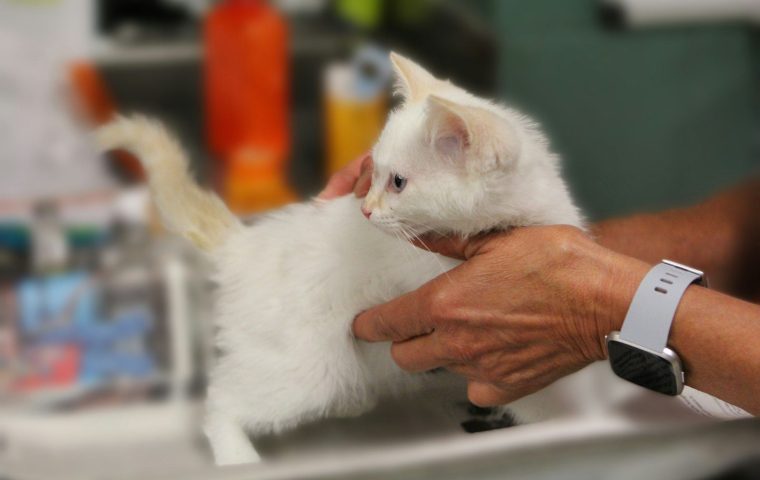

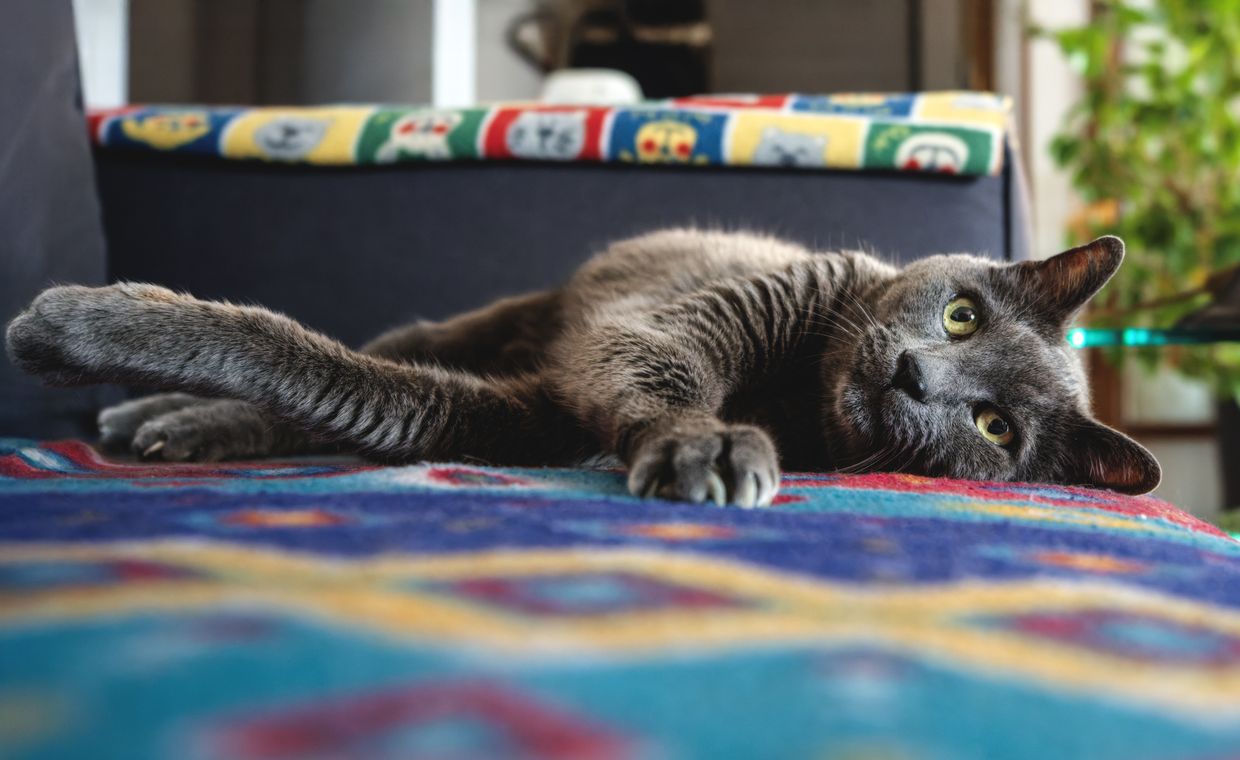
A client once brought in a nine-year-old tabby named Olive because she had "gotten grumpy." No limping, no crying, no obvious wound. She just did not want to be picked up anymore, and she had started skipping the top of her cat tree. On exam, Olive had significant arthritis in both hips. She had probably been sore for months.
That story is common in my exam room. Cats are stoic to a fault, and the reason is baked into their biology. In the wild, an animal that broadcasts weakness becomes a target, so cats evolved to keep discomfort quiet. The trouble is that the same instinct hides pain from the people who love them most.
So the job of a cat owner is a bit like reading a code. The signals are there, but they are small, and they are easy to explain away as "just getting older" or "being moody." Here is how to read them.
Why Cats Are So Good at Hiding Pain
Cats are both predator and prey, and the prey half of that equation shapes their behavior. Showing pain in the wild invites attack, so a healthy instinct tells them to carry on as if nothing is wrong. Domestic life has not switched that instinct off.
This means the changes you see are usually late changes. By the time a cat is openly limping or vocalizing, the underlying problem has often been building for a while. It is not that you missed something obvious. The obvious part simply comes last.
A cat who "seems fine" can still be uncomfortable. Absence of dramatic symptoms is not proof of absence of pain. Watch patterns over days, not single moments.
Behavior Changes Come First
Before you see anything physical, you will usually see a shift in habits. A social cat becomes withdrawn. A calm cat becomes irritable when touched. A cat who greeted you at the door stops bothering.
Hiding is one of the biggest ones, and it is easy to miss because cats nap in odd spots anyway. What matters is a change from normal. If your cat suddenly wants to be under the bed all day, that is worth attention. I wrote more about the reasons behind why a cat suddenly starts hiding more, because it overlaps heavily with pain.
Aggression can also be a pain flag. A cat who hisses or swats when you touch a specific area is often telling you that spot hurts. This is communication, not bad manners.
Physical Signs to Watch
Some cues are physical, though they are quieter than most people expect. You are looking for small, consistent differences from your cat's baseline.
- Posture: a hunched back, tucked limbs, or sitting in a tight loaf for long stretches can signal abdominal or joint discomfort.
- Face: squinted or half-closed eyes, ears rotated slightly back, and a tense muzzle are documented feline pain expressions.
- Grooming: a scruffy, greasy, or matted coat can mean it hurts to twist and reach. Over-grooming one spot until it is bald can mean pain focused there.
- Movement: hesitating before a jump, taking the stairs one at a time, or landing hard where they used to be graceful.
- Litter box: straining, crying in the box, or going just outside it. Urinary pain in particular can be an emergency.
A male cat straining in the litter box and producing little or no urine is a medical emergency. A urinary blockage can become life-threatening within hours. Do not wait to see if it passes. Learn to spot and respond to a pet emergency fast.
Reading the Face and Body Together
No single sign proves pain. The skill is in stacking them. A cat who is hiding more, eating less, and sitting hunched is telling you far more than a cat who simply skipped one meal.
Researchers have built feline pain scales around facial expression, and the pattern is consistent: ear position, eye tightening, muzzle tension, and whisker changes shift when a cat hurts. You do not need a clinical scale to use this idea. You just need to know your own cat's relaxed face so you can notice when it changes.
Take a few phone photos of your cat relaxed and happy, from the front and the side. When something feels off later, you have a baseline to compare against. This also helps your vet enormously.
Acute Pain vs Chronic Pain
Pain does not all look the same. Sudden, sharp pain and slow, grinding pain send different signals, and telling them apart helps you decide how fast to act.
| Feature | Acute pain | Chronic pain |
|---|---|---|
| Onset | Sudden (injury, blockage, sudden illness) | Gradual, often over weeks or months |
| Vocalizing | More likely: crying, yowling, growling | Usually quiet, easy to miss |
| Common cues | Limping, guarding a spot, restlessness, hiding | Less play, stiffness, poor grooming, mood shift |
| Typical causes | Trauma, urinary blockage, pancreatitis, dental abscess | Arthritis, dental disease, kidney disease |
| What to do | Call your vet promptly, often same day | Book a checkup, track changes at home |
Dental disease is worth a special mention because it is so easy to overlook. Cats with painful teeth often keep eating, just more slowly, or they drop food and start again. Bad breath plus a change in eating deserves a dental exam.
Signs You Should Not Wait On
Most pain warrants a non-urgent vet visit within a day or two. Some cues, though, mean pick up the phone now. Learning the general early warning signs that a pet is getting sick pays off here, because pain and illness often travel together.
Call your vet promptly if you see any of the following:
- Straining in the litter box with little urine, especially in male cats.
- Not eating for more than about 24 hours. Cats can develop serious liver problems from short periods of not eating.
- Open-mouth breathing, panting, or rapid labored breaths (cats rarely pant).
- Sudden inability or refusal to use a limb, or crying when moving.
- A hard, painful belly, or repeated vomiting alongside hiding.
Never give a cat human pain medication. Ibuprofen, acetaminophen (paracetamol), aspirin, and naproxen can be fatal to cats even in small doses. Feline-safe pain management exists, but it has to come from your vet.
What Your Vet Can Do
When you bring in a cat you suspect is hurting, a good workup usually starts with a hands-on exam, often followed by bloodwork, urine testing, or imaging depending on what we find. The goal is to find the source, not just quiet the symptom.
Bring your observations with you. Notes on what changed and when, plus those baseline photos, turn a vague "she seems off" into something we can actually chase down. You know your cat's normal better than anyone, and that knowledge is genuinely diagnostic.
The short version: watch for changes from baseline, especially hiding, reduced grooming, appetite shifts, posture, and mobility. Stack the signs rather than relying on one. Treat urinary straining, not eating, and breathing trouble as urgent. When in doubt, call.
Do cats cry or meow when they are in pain?
Sometimes, but often not. Loud vocalizing tends to go with sudden, sharp pain. Chronic pain, like arthritis, is usually silent and shows up as behavior and mobility changes instead. A quiet cat is not necessarily a comfortable one.
Can I give my cat anything at home for pain until I get to the vet?
No human pain medication, ever. Ibuprofen, acetaminophen, and aspirin can be toxic or fatal to cats. Keep your cat calm, warm, and quiet, limit jumping, and call your vet for safe options rather than dosing anything yourself.
How do I know if it is pain or just my cat getting old?
Slowing down with age is often pain, not just age. Stiffness, skipping favorite perches, and reduced grooming frequently trace back to arthritis or dental disease, both of which are treatable. A senior wellness exam can tell the difference and improve quality of life.
Living with a cat means learning a quiet language. The more you know your cat's ordinary, from how they sit to how they greet you, the faster you will notice when something drifts. You will not always know what a change means, and that is fine. Notice it, write it down, and let your vet help you fill in the rest.