

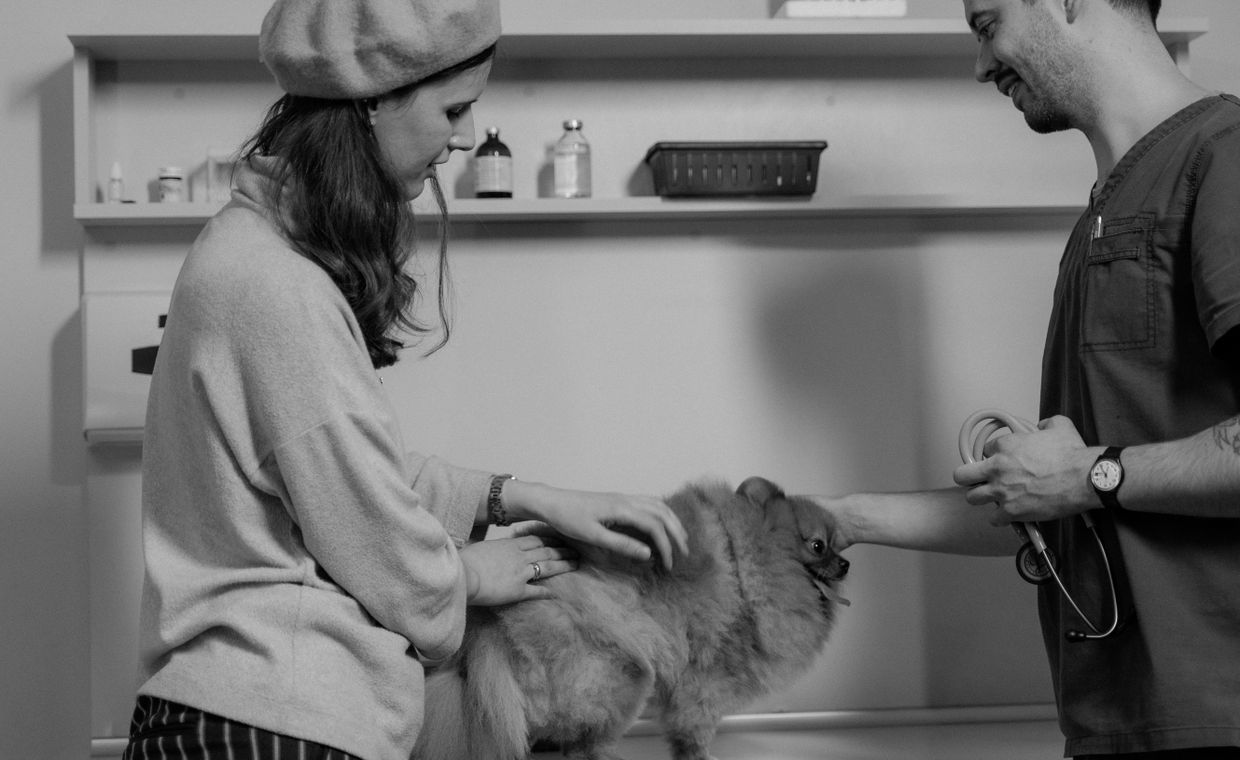
The most common call I get from a first-time puppy owner starts the same way. It is 9 p.m., the puppy had loose stool twice, and the person on the phone is quietly terrified they have already done something wrong. Usually they have not. Puppies are messy, resilient little animals, and most of what worries new owners in week one is normal.
But not all of it is. The tricky part of raising an eight-week-old is learning to tell ordinary puppy chaos from the handful of problems that need a vet the same day. A puppy weighs a couple of pounds and has almost no reserve, so things that a grown dog would shrug off can turn serious fast.
So let us walk through what actually shows up in exam rooms during those first few months, what you can watch at home, and where the line sits between "keep an eye on it" and "come in now."
Digestive upsets and diarrhea
Loose stool is the number one reason puppies land on my schedule. New food, a dropped snack off the floor, the stress of a new home, or a fast diet change can all loosen things up for a day or two.
Mild, short-lived diarrhea in a bright, playful puppy who is still eating usually settles with a bland diet and time. What changes the math is the puppy itself. Because they are so small, a day of fluid loss can tip a puppy into dehydration much faster than it would an adult dog.
Diarrhea with blood, repeated vomiting, a swollen or painful belly, gums that look pale or tacky, or a puppy who has gone quiet and floppy. These can signal parvovirus, an intestinal blockage, or serious dehydration, and none of them wait politely until morning.
Parvo deserves its own mention because it is common, preventable, and deadly in unvaccinated puppies. It is one big reason the vaccine schedule matters so much in these early weeks, and it is worth understanding which vaccines a dog and cat actually need and why the timing is not arbitrary.
Intestinal parasites
Almost every puppy comes with worms. That sounds alarming, and it is not. Roundworms and hookworms are frequently passed from the mother before the litter is even born, which is why deworming is a routine part of early puppy visits rather than a sign something went wrong.
You might see spaghetti-like roundworms in stool or vomit, or notice a pot-bellied look, a dull coat, or slower-than-expected growth. Some puppies show nothing at all, which is exactly why we run a fecal test instead of guessing.
Coughing and kennel cough
A dry, honking cough that sounds like a goose is the classic sign of kennel cough, a contagious respiratory infection puppies pick up from other dogs at shelters, daycares, or the park. Most cases are mild and clear on their own in a week or two.
The reason I still want to hear about it is that a young puppy's cough can also be the first hint of pneumonia, especially if it comes with fever, fast breathing, or low energy. A cough plus a puppy who does not want to play is a different conversation than a cough in a bouncy, hungry puppy.
Skin, ears, and coat trouble
Itchy skin, flaky patches, and head-shaking are everyday puppy complaints. Fleas are the usual suspect, and a single flea can keep a puppy scratching. Ear mites and yeast make ears smell and produce dark waxy gunk.
Ringworm, despite the name, is a fungus rather than a worm, and it shows up as round patches of hair loss. It spreads to people, so if you see a scaly bald spot, wear gloves and get it checked. Most skin issues are treatable once we know the cause, which is why I discourage reaching for random shampoos before a diagnosis.
Hypoglycemia in tiny puppies
This one catches a lot of owners of small and toy breeds off guard. Very young or very small puppies can drop their blood sugar dangerously low if they go too long between meals, get chilled, or burn through energy playing hard.
A hypoglycemic puppy goes wobbly, weak, or dull, and in severe cases can have tremors or a seizure. If a small puppy suddenly seems drunk or unresponsive, rubbing a little honey or corn syrup on the gums while you head to the vet can buy time. Frequent small meals are the everyday prevention.
A kitchen scale is one of the most useful puppy tools you own. Steady daily weight gain is a strong sign of a thriving puppy. A puppy who stops gaining, or starts losing, is telling you something before any dramatic symptom shows up. Learning the early warning signs of a sick pet helps you catch trouble while it is still small.
What is normal versus what needs a vet
New owners do best with a simple mental sorting system. Here is the rough version I give my own clients.
| Sign | Often normal | Call the vet |
|---|---|---|
| Loose stool | One or two soft stools, puppy still bright and eating | Blood, more than a day, or a listless puppy |
| Vomiting | Once after eating too fast, then fine | Repeated, or with a painful or bloated belly |
| Energy | Naps hard, then wakes up wild | Hard to rouse, weak, or wobbly |
| Appetite | Skips one meal, eats the next eagerly | Refuses food for a full day, especially if tiny |
| Coughing | Occasional cough, otherwise playful | Cough with fever, fast breathing, or low energy |
| Gums | Bubblegum pink and moist | Pale, white, blue, or tacky |
When you are unsure, the safest move is a phone call. A good clinic would far rather reassure you over the phone than see a puppy that waited too long. Small size means a short runway, and I never fault an owner for asking.
Setting yourself up before problems start
A little preparation takes most of the panic out of these moments. Know your clinic's hours and the nearest emergency vet before you need them. Keep your puppy's weight, vaccine dates, and deworming schedule written down somewhere you can find at 9 p.m.
It also helps to keep a few basics on hand so you are not scrambling. A digital thermometer, gauze, and your vet's number belong together, and it is worth taking an afternoon to build a pet first aid kit at home before you are stressed and improvising.
Most puppy scares end with a wagging tail and a slightly lighter wallet. The goal is not to worry more, it is to worry about the right things.
How soon should I take a new puppy to the vet?
Within the first few days of bringing them home, even if they seem healthy. That first visit sets up the vaccine and deworming schedule and gives you a baseline weight and exam to compare against later.
Is a little diarrhea in a new puppy an emergency?
Usually not, if the puppy is bright, eating, and playful. It becomes urgent with blood, repeated vomiting, a swollen belly, or a puppy who has gone quiet and weak, because dehydration hits small bodies fast.
Why does my healthy-looking puppy still need deworming?
Many puppies are born with worms passed from their mother and show no obvious symptoms. Routine deworming and a fecal test clear parasites you cannot see and support steady, healthy growth.
Raising a puppy is a crash course in reading a body that cannot talk. Give it a few weeks and you will start to know your dog's normal, which is the single best diagnostic tool in the house. Trust that instinct, keep your vet's number close, and remember that most of these problems are common precisely because they are manageable. You are doing better than you think.