
A few summers ago a young couple brought a ten-month-old Border Collie into my class because, in their words, he was "destroying the house out of spite." He wasn't spiteful. He was a working breed getting twenty minutes of leash time a day and going quietly out of his mind.
I see the opposite just as often: the seven-year-old Frenchie whose owner jogs five miles with him in July, then can't figure out why the dog is wheezing and refuses to walk the next morning. Both dogs have the same problem from opposite directions: their exercise didn't match who they actually are.
So let's sort out what "enough" really means. The honest answer depends on three things (age, size, and breed), and the popular shortcuts get all three wrong.
What "exercise" actually means for a dog
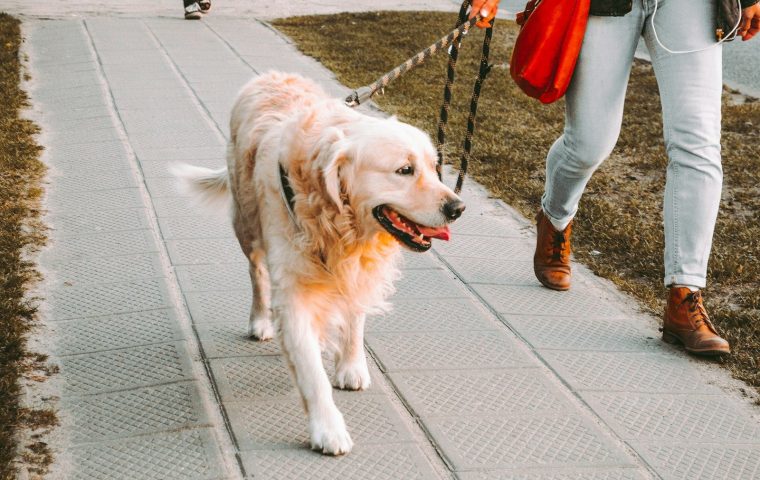
Most owners picture a walk. Walks are good, but a flat sidewalk stroll is to a dog what a slow lap of the office is to you: fine, not the whole picture. Real exercise has two halves: physical exertion and mental work.
Physical is the obvious part: running, swimming, fetch, the stuff that gets the heart rate up. Mental is sniffing, problem-solving, training games, working for food. A ten-minute sniff-walk where your dog reads every bush like the morning paper can tire him out more than a brisk loop on a short leash.
If your dog is destructive, restless, or barking at nothing by evening, he's usually under-exercised mentally, not just physically. Add brain work before you add more miles.
This is why two dogs walked the same distance can end the day completely differently. The one who got to sniff, search, and think is satisfied. The one marched in a straight line is barely warmed up.
Age changes the math more than anything
Puppies feel like they have endless fuel, and that's the trap. Their growth plates, the soft zones at the ends of long bones, are still open, and too much high-impact work before they close can do real harm.
A common guideline is roughly five minutes of structured exercise per month of age, once or twice a day. A four-month-old puppy lands around twenty minutes a session, not a three-mile hike because he "seemed up for it." Free play where the puppy sets his own pace is generally safer than forced repetition like long runs or stairs.
Adult dogs are in their prime and can handle the most. Seniors slow down but should keep moving. Gentle, frequent, joint-friendly activity protects mobility. If your older dog is suddenly stiff, reluctant, or off his food after light activity, that's a vet conversation, not a "push through it" moment.
Size: the part people get backwards
Owners assume big dog equals big exercise needs. Sometimes. A Great Dane is a giant couch potato, happy with a couple of relaxed walks. A Jack Russell that fits in a tote bag will run you into the ground.
Small dogs often have terrier blood and a motor to match. Giant breeds tire faster and carry more joint stress, so marathon sessions work against them. Size tells you about impact and stamina; it doesn't reliably tell you about drive.
| General type | Rough daily activity | Watch for |
|---|---|---|
| Toy / small (terriers excepted) | 30-45 min, split up | Cold sensitivity, overheating |
| Small working terriers | 60+ min plus brain games | Boredom-driven mischief |
| Medium all-rounders | 45-90 min | Weekend-warrior overdoing it |
| Large / giant breeds | 30-60 min, lower impact | Joint strain, fast fatigue |
Treat those numbers as starting points. The dog in front of you always outranks the chart.
Breed is the tiebreaker, and the biggest myth
Here's the concept that solves most "my dog is crazy" cases: dogs were bred for jobs, and the job stays wired in even when the dog has never seen a sheep. Herding breeds, sporting breeds, and northern sled types were built to work all day. They don't need a walk; they need a purpose.
The myth I most want to retire is "a tired dog is a good dog, so just exhaust him." Run a Collie into the ground every day and you don't get a calm dog. You get a hyper-fit athlete who needs even more tomorrow. Endurance is trainable, so you can accidentally build a machine. The goal is a satisfied dog, mental plus physical, not a depleted one.
Brachycephalic dogs (Bulldogs, Pugs, Frenchies, Boxers) can't cool themselves efficiently. In heat or humidity, keep sessions short and shaded, and stop at the first sign of heavy wheezing. Trouble breathing or collapse is an emergency; call a vet or emergency clinic right away.
If you've got a new dog and you're still learning his off-switch, the early routine matters too. When I help families bring home a second dog, I walk them through how to introduce a new dog to your resident dog calmly so play and walks start on the right foot instead of becoming a competition for energy.
How to read your own dog
Charts are a starting line; your dog is the finish line. The most reliable signal is the evening. A well-exercised dog settles. He flops, he sleeps, he's pleasant. An under-exercised one paces, chews, whines, or invents projects you didn't sign off on.
Over-exercise has tells too: lagging on walks he used to love, sore the next day, reluctant to get up, or limping. Those deserve a couple of rest days and, if they persist, a vet visit. Never assume stiffness in an older dog is "just age."
Aim for roughly 60% physical movement and 40% brain work on a normal day. Scatter-feed breakfast, hide a few toys, or run five minutes of training before the walk. You'll often need fewer miles than you think.
Weather is part of the plan, not a footnote. On a frozen or scorching day, lean on indoor brain games and short outings rather than forcing the usual distance.
Building a daily plan that sticks
Start with one anchor walk you can do no matter what: rain, late meeting, bad mood. Then layer extras on top: a sniff detour, a tug session, a food puzzle, a few minutes of recall in the hallway. Consistency beats heroics every time.
A lot of the daily energy battle is really a training problem in disguise. A dog who hauls you down the street isn't getting good exercise. You both are, miserably. Walks got far calmer for one client after we worked through the steps that fixed her rescue dog's leash pulling in three weeks, and a loose-leash walk does more for the body than a tense, choking march.
If you're outfitting a new pup, running through the essential items every new dog owner should buy first makes the routine easier to sustain. A well-fitted harness and a long line turn an ordinary field into a real workout for body and nose alike.
Match exercise to age (less impact for puppies and seniors), size (drive matters more than bulk), and breed (working dogs need a job, not just miles). Mix physical and mental work, watch the evening behavior, and adjust. When in doubt about your dog's health or limits, ask your vet.
Is one long walk a day enough?
For many low-drive adult dogs, a solid walk plus some sniffing and a little brain work covers it. Higher-energy or working breeds usually do better with two or three shorter sessions spread across the day rather than one big push.
Can I exercise my puppy as much as he seems to want?
Not quite. Puppies don't self-regulate well, and their growing joints can't take repeated high-impact work. Favor short, self-paced free play over forced runs or stairs, and ask your vet what's appropriate for your puppy's breed and age.
How do I know if I'm over-exercising my dog?
Watch for next-day soreness, reluctance to get up, lagging on familiar walks, or limping. A couple of rest days usually helps; if the signs continue, or your dog seems painful, check in with your veterinarian.
Getting this right is less about a magic number and more about paying attention. Watch how your dog moves, plays, and settles, then nudge the plan up or down. Do that for a week or two and you'll know your dog's "enough" better than any chart could, and a vet is your best partner for anything that feels off.