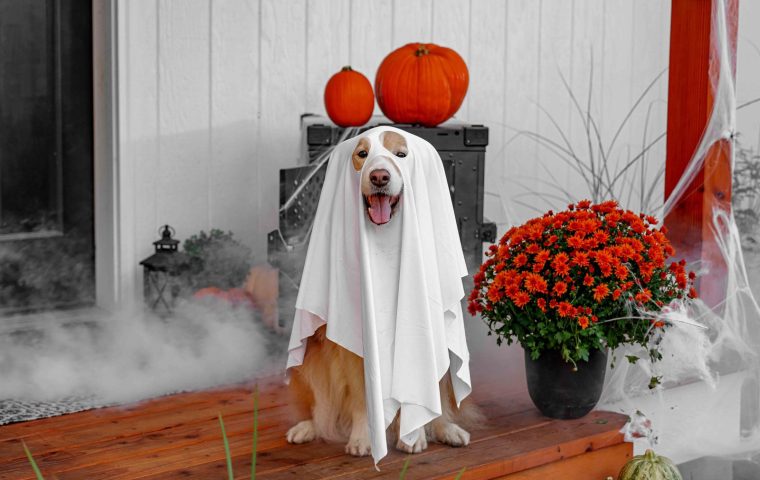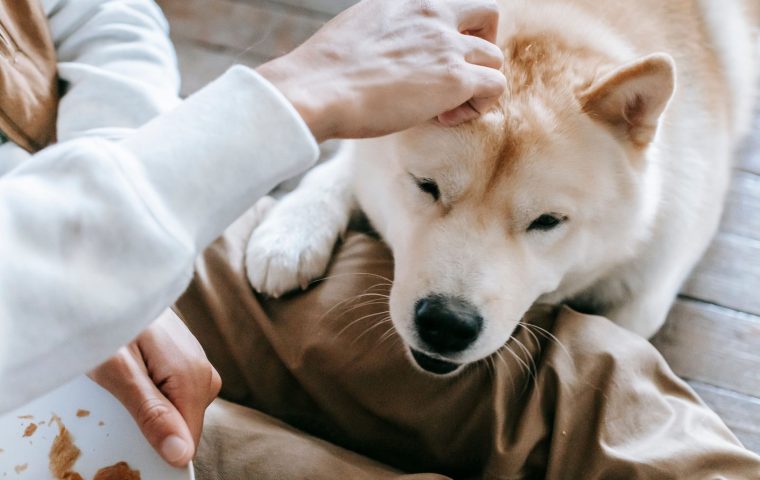

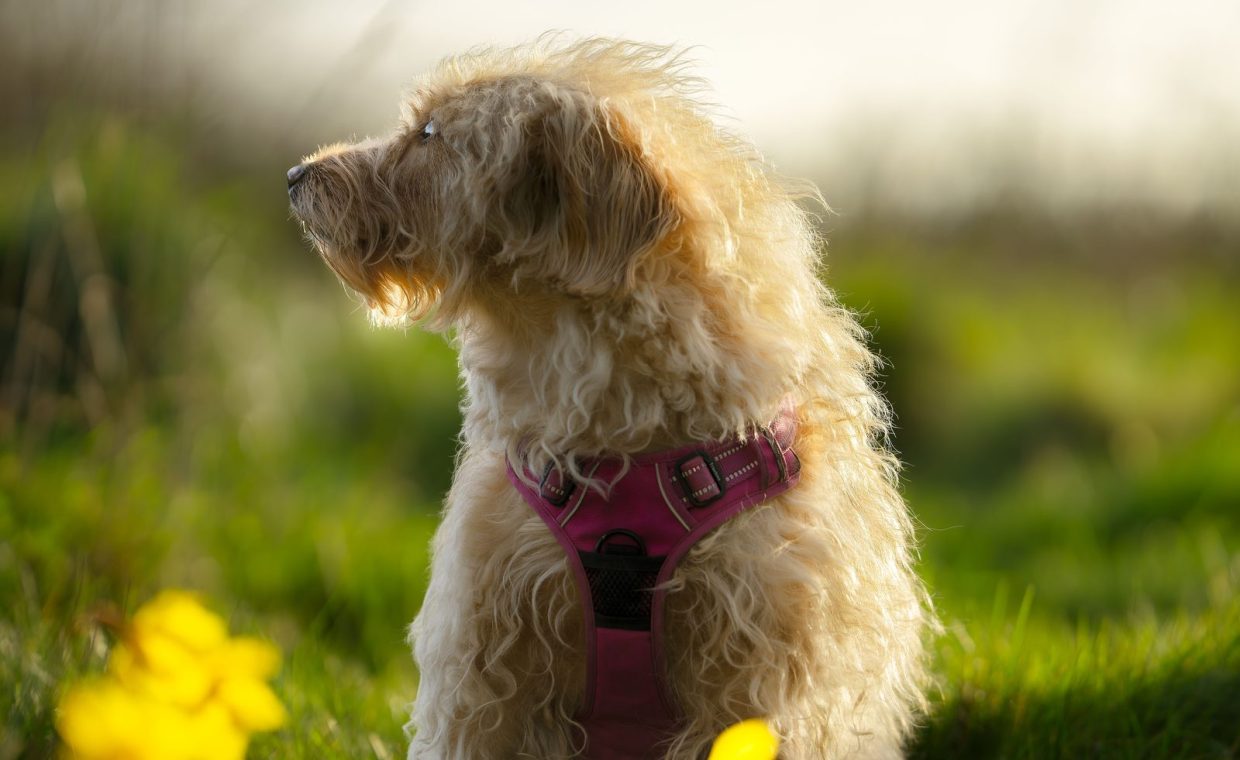
A few summers back, a golden retriever named Biscuit trotted into my class and put on a clinic, in selective hearing. Indoors, he sat like a champ. Outside, by a fence with squirrels? He looked through his owner like she was a lamppost. She was convinced he'd gone stubborn on her.
He hadn't. Biscuit was doing exactly what his training had taught him, which was the problem. In nearly every "my dog ignores me" case I see, the dog isn't being defiant. Something in the way we built the cue fell apart. The good news is that responsiveness is rebuildable, and most of the fixes are small.
Here are the six reasons I run into most, why each one quietly drains your dog's attention, and the practical fix for each.
1. The Reward Stopped Being Worth It
This is the big one. A lot of owners fade their treats too fast, or never raised the value of their reward as the distractions got harder. A dry biscuit might beat boredom in the living room, but it loses badly to a passing jogger.
Why it matters: Dogs do what works for them. If responding to "come" earns a so-so pat while ignoring it earns a glorious sniff-fest, you've accidentally made ignoring you the better deal.
The fix: Match the paycheck to the difficulty. Save your dog's favorite things, small bits of chicken, cheese, a quick game of tug, for the moments that ask the most of them. I keep a mental tier list: kibble for easy cues at home, the good stuff for "you came back from the squirrel."
Test your treats. Toss two options on the floor and see which one your dog grabs first. That's your high-value reward. Reserve it for recalls and hard environments, not for sitting in your quiet kitchen.
2. Your Cue Means Five Different Things
We are inconsistent in ways our dogs notice and we don't. "Down" means lie down on Monday, get off the couch on Tuesday, and stop jumping on Wednesday. Add a hand wave that changes every time, and the cue turns to mush.
Why it matters: A cue is a promise that a specific word predicts a specific behavior. When the word is fuzzy, the dog hesitates, and hesitation looks a lot like ignoring.
The fix: Pick one word and one gesture per behavior, then get the whole household saying it the same way. Write the list on the fridge if you have to. I've watched "confused" dogs snap back to sharp within a week, just because everyone finally agreed that "off" meant paws on the floor.
3. You're Asking From the Penthouse and Practicing in the Basement
Dogs don't generalize the way we assume. A rock-solid "stay" in your living room genuinely does not exist yet at the dog park. To your dog, those are two unrelated planets.
Why it matters: When you only ever rehearse in calm, familiar spots and then expect compliance in a chaotic one, you're testing for something you never taught. The dog isn't blowing you off. They truly haven't learned the cue there.
The fix: Build up gradually. Quiet room, then backyard, then a calm sidewalk, then somewhere busier, and drop your expectations a notch each time the environment gets harder. This patient, layered approach is the same one behind how daily ten-minute sessions transformed our reactive dog: small wins in easy settings stack into reliability in hard ones.
Instead of "my dog ignores me at the park," try "my dog can't do this at the park yet." That one word, yet, points you straight at the next training step instead of a dead end.
4. The Cue Got Poisoned by Frustration
Here's a quiet one. If "come" has ever been followed by something your dog dislikes, the end of playtime, a nail trim, a frustrated scolding when they finally arrived, the word starts to carry a little dread. Over time, recall stops feeling safe.
Why it matters: Dogs build emotional associations fast. A cue that sometimes predicts something unpleasant becomes a coin flip, and many dogs will simply opt out rather than gamble.
The fix: Never punish a dog who comes to you, even if it took ages. Reward the arrival, every single time, and avoid using your recall word to summon them to things they hate. If "come" has gone sour, retire it and teach a fresh word from scratch with a clean, happy history.
5. The Sessions Are Too Long, Too Late, and Too Boring
I see owners drill the same sit for fifteen straight minutes after a long workday, both of them visibly drained. By minute six, the dog's checked out and the human's frustrated, and that's the version of training the dog remembers.
Why it matters: Attention is a muscle that fatigues. Long, repetitive sessions teach your dog that cues are tedious, which makes tuning you out the natural response.
The fix: Go short and frequent. A few crisp two-to-five-minute bursts scattered through the day beat one marathon, and you should always quit while your dog still wants more. Keep it playful: vary the cues, sprinkle in a tug break, end on a win.
On hot days, even a short session can overheat a dog, and panting plus a checked-out brain can look like disobedience. Train in the cool parts of the day and watch for overheating signs. Our guide on how to keep your dog cool and safe in summer heat covers what to watch for. Trouble breathing, collapse, or vomiting needs emergency veterinary care right away.
6. You're Competing With a Brain That's Overwhelmed or Unwell
Sometimes the issue isn't training at all. A dog flooded with fear, over-aroused by a trigger, or simply under-exercised cannot access cues they otherwise know cold. And occasionally a dog that "suddenly won't listen" is telling you something physical: sore joints, fading hearing, or pain.
Why it matters: You can't reason a panicking dog into a sit, and you definitely can't train away a medical problem. Pushing harder in those moments erodes trust and teaches the dog that you don't read the room.
The fix: Meet your dog's needs first, physical exercise, decompression, distance from triggers, before you expect focus. If a previously reliable dog starts ignoring familiar cues out of nowhere, especially alongside any change in appetite, movement, or mood, check in with your own veterinarian to rule out pain or illness before assuming it's a behavior issue.
Putting the Fixes Together
You don't have to tackle all six at once. Pick the one that made you wince reading it (for most folks it's the reward value or the consistency) and work it for a week before adding the next.
As responsiveness climbs back up, you'll notice your dog checking in with you more, glancing back on walks, and choosing you over the distraction. That voluntary attention is also the foundation for bigger freedoms; many of the signs your dog is ready for off-leash freedom are simply these fundamentals holding up under real-world temptation.
Raise your reward value, keep cues consistent, practice in harder places gradually, protect your recall from anything unpleasant, train in short happy bursts, and rule out overwhelm or pain. Responsiveness is built, not born, and it's always rebuildable.
Is my dog ignoring me on purpose to be dominant?
Almost never. "Dominance" is a tired explanation for what's usually a training gap: a weak reward, an unclear cue, or a distraction the dog hasn't been taught to work through. Look at what's competing for their attention and what they're actually being paid, and you'll usually find your real answer.
How long does it take to fix a dog that ignores commands?
It depends on how long the habit has been rehearsed, but many owners see noticeable improvement within one to two weeks of consistent, short sessions. Deeply poisoned cues or fear-based cases take longer and benefit from a certified trainer's eyes on the specific situation.
My dog suddenly stopped listening. Should I worry?
A sudden change in a previously reliable dog is worth attention. Rule out the environment and your own consistency first, but if it persists or comes with changes in appetite, movement, hearing, or mood, talk to your veterinarian to make sure pain or illness isn't the cause.
Biscuit, for the record, came around. His owner switched to chicken near that fence, shortened her sessions, and stopped calling him over only to leash him up and leave. Within a month he was whipping his head back at his name like it was the best word he knew. Your dog can get there too. Start with one fix, keep it kind, and let the wins build.