
I have a dog who has personally supervised every shower I have taken in the last four years. He sits on the bath mat and looks vaguely concerned the whole time, as if I might drown in eight inches of water. The bathroom is just the obvious example. He also follows me to the kitchen, the garage, and the two-step trip to grab the mail.
If you are reading this with a furry shadow pressed against your leg right now, welcome. The "velcro dog" is one of the most common things owners ask me about, usually somewhere between "it's adorable" and "I cannot pee alone anymore." Most of the time it is sweet and harmless, but occasionally it is worth a closer look.
Let me walk through the real reasons dogs do this, with an honest note on when the shadowing tips into something worth addressing.
The plain version: dogs are wired to stick with their group
Dogs are social animals who evolved alongside us, and "stay near the people who feed and protect you" is a solid survival strategy. Following you around is, at its most basic, your dog treating you as the center of their little world.
Here is a quick example. My dog does not follow my houseplants from room to room, because the houseplants have never once produced a treat or opened the back door. I have. To him, I am the source of all good things.
The myth I want to knock down early: shadowing does not mean your dog is "dominant" or trying to control you. That framing has been pretty thoroughly retired by behavior folks. A dog at your heels is showing attachment, not staging a coup.
Bonding and attachment, the most common reason by far
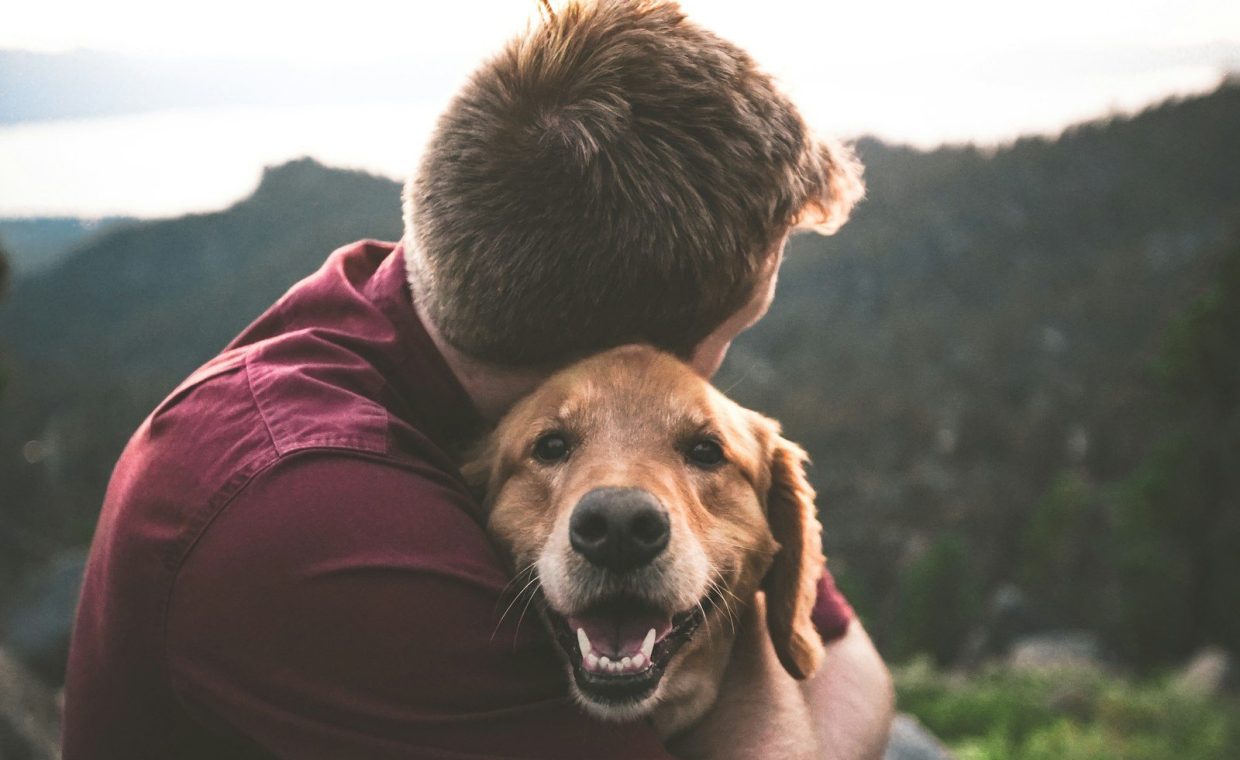
For most velcro dogs, the answer is simply love and attachment. You are their person. Trailing you is how they stay connected, the same way a friend drifts into the kitchen at a party because that is where you happen to be.
This kind of following usually looks relaxed. The dog ambles after you, flops down nearby, and is perfectly content, not panting, pacing, or fixated on the door. For a fuller picture of what a settled dog looks like, I broke it down in my rundown of the eight signs your dog is genuinely happy, and a relaxed shadow ticks a lot of those boxes.
We can accidentally train velcro behavior without realizing it. Every time you toss a treat, offer a belly rub, or say hello as your dog wanders over, you are gently reinforcing "stay close to the human." That is not a problem; just know you are part of the loop.
Breed and personality: some dogs are built to be your shadow
Genetics play a bigger role here than people expect. Dogs bred to work shoulder to shoulder with humans tend to be the clingiest, not a flaw, but the job description they were selected for over generations.
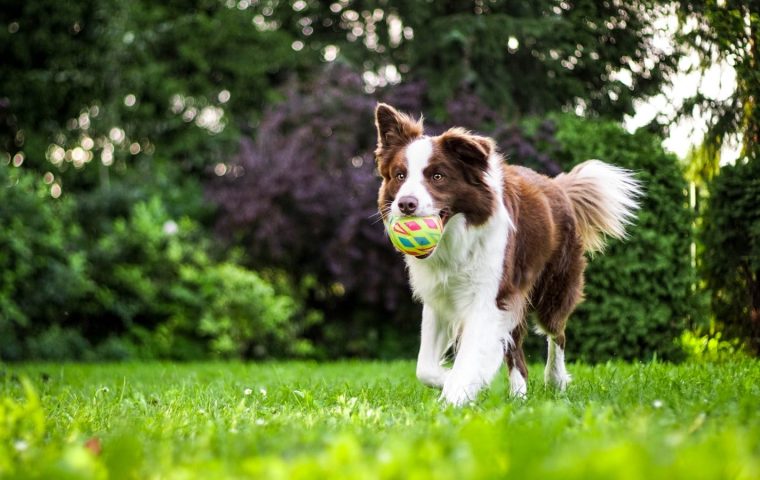
Herding breeds like Border Collies and Australian Shepherds were bred to watch a handler constantly, and many companion or "lap" breeds were bred specifically to stay close to people. Velcro tendencies in those dogs are baked in.
Living situation matters too. A dog in a smaller space is physically never far from you to begin with, which can make the shadowing feel more intense. I get into how environment shapes these habits in this look at choosing between an apartment dog and a house dog, worth a read if your dog seems extra glued to you in tight quarters.
Routine, attention, and plain old habit
Dogs are creatures of pattern. If following you has reliably led to good outcomes (a walk, dinner, the magical opening of doors) they keep doing what works. That is not anxiety. That is a dog who has correctly figured out you are the gatekeeper of fun.
Age and life stage feed into this too. Puppies follow because everything is new and you are the safe anchor. Senior dogs sometimes shadow more as their hearing or eyesight fades. Both are normal shifts, not red flags on their own.
Want to know if it is habit or need? Drop a long-lasting chew or a stuffed food toy and step into the next room. A dog following from habit usually settles with the chew. A dog who abandons a good chew to glue themselves to the door is telling you something closer to distress. The toy costs a few dollars and tells you a lot.
When following crosses into anxiety
This is the part worth slowing down for, because the same behavior can have a very different cause. Some dogs shadow out of worry rather than contentment, and the clearest tell is what happens when they cannot follow you.
Signs that lean toward separation-related anxiety rather than simple attachment include:
- Panicking, pacing, or barking the moment you step out of sight
- Drooling, trembling, or destructive chewing when left alone
- House-soiling in a dog who is otherwise reliably trained
- Following so intensely they cannot rest, eat, or settle without you
Anxious shadowing often travels with other on-edge behaviors, and one of the most common is a dog who is reactive to every sound and movement. If that rings a bell, my piece on why a dog barks at everything and how to calm it covers the overlap between general nervousness and these clingy habits.
If your dog genuinely cannot cope when left alone (true panic, self-injury, soiling, or destruction every single time) that is worth a conversation with your veterinarian, who may refer you to a qualified behaviorist. Separation anxiety is treatable with the right plan, and a sudden change in clinginess can occasionally signal an underlying health issue worth ruling out.
How to gently dial it back (if you want to)
First question: do you even need to? A relaxed velcro dog who is happy and not distressed when alone does not require fixing, and plenty of owners enjoy the company. But if the shadowing is wearing on you, or you suspect mild over-attachment, you can build a little independence without a single gadget.
Start small. Reward your dog for choosing to settle on their own bed instead of at your feet. Practice short, boring departures, stepping out and back in within seconds, no big greetings, so leaving stops feeling like an event. Sniff games and food puzzles tire the brain and make solo time more appealing.
I have tested a small fortune in "anti-anxiety" gear over the years, and my budget-savvy verdict is that a five-dollar snuffle mat and a consistent routine outperform most of the pricey stuff. Build the habit first, and only reach for tools once the basics are in place.
Most velcro dogs are simply bonded, breed-prone, or running on habit, and that is nothing to worry about. The line to watch is distress when you leave. Calm shadowing is love, panicked shadowing is a sign to get help. When in doubt, talk to your vet.
A few questions owners always ask
Is it bad that my dog follows me everywhere?
Usually not. If your dog is relaxed, eats and rests normally, and copes when left alone, following you around is just attachment and habit. It only becomes a concern if they show real distress when they cannot be near you.
Why does my dog suddenly follow me more than usual?
Sudden changes can come from a shift in routine, a move, aging senses, or feeling unwell. A new clingy phase that appears out of nowhere, especially with other changes in appetite or behavior, is worth mentioning to your veterinarian to rule out a health cause.
How do I know if it is love or separation anxiety?
Watch what happens when you leave. A bonded dog settles within a few minutes. A dog with separation anxiety panics, paces, drools, barks, or becomes destructive almost every time. The departure, not the following, is the real test.
So the next time your dog escorts you to the bathroom for the third time today, take it as the compliment it usually is. Keep an eye on how they handle being alone, trust your gut if something feels off, and lean on your vet for health questions. Mostly, though, you just have a friend who really likes you.