

The first time I met Biscuit, a six-year-old beagle mix, he trotted into my exam room looking perfectly fine. His owner, Dana, had almost cancelled the appointment. "He seems totally normal," she told me, half-apologizing for taking up a slot. "I just figured I should keep up with his checkups."
That offhand decision is the whole reason I'm telling this story. Because what looked like a routine visit turned into the moment that kept Dana from facing a four-figure emergency bill a few months down the road.
I want to walk you through exactly what happened, what it cost, and what it could have cost. Not to scare anyone, but because I think owners deserve to see the math behind the advice we vets repeat so often.
Meet Biscuit and his very ordinary checkup
Dana adopted Biscuit at two years old. He was a happy, food-motivated dog who slept on the couch he was technically not allowed on. Nothing dramatic, just a good boy living his life.
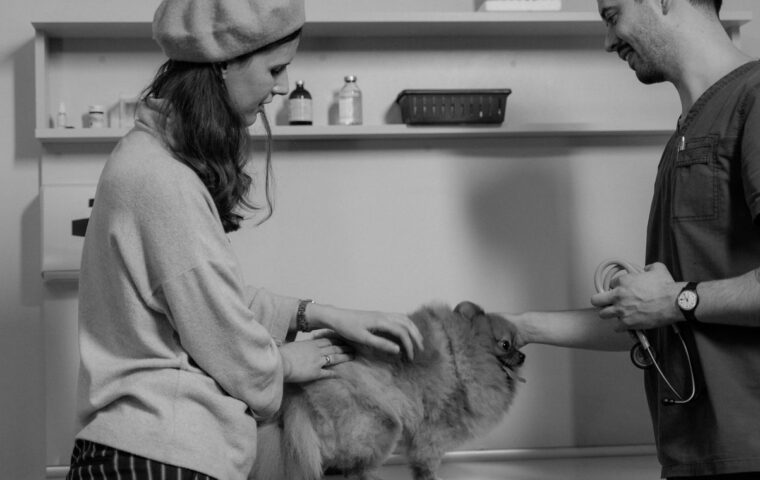
She brought him in for an annual wellness exam, the kind of visit a lot of people skip when their pet seems healthy. We did the usual: weight check, listening to his heart and lungs, feeling his belly, looking at his teeth, and pulling blood for routine labs and a heartworm test.
I remember Dana glancing at the estimate and wincing a little. The exam, bloodwork, and parasite screening came to roughly $220. "He's not even sick," she said. I told her that was exactly the point.
The small clue that almost got missed
Biscuit's physical exam was unremarkable. His heart sounded good, his belly felt normal, and he wagged through the whole thing. If we had stopped at the hands-on part, I would have sent him home with a clean bill of health and a treat.
But his bloodwork came back with a mildly elevated value on his kidney panel, paired with urine that was a little more dilute than I'd like. On their own, neither result was alarming. Together, in a dog his age, they were a quiet flag worth chasing.
Dogs and cats are wired to hide weakness. By the time an animal looks sick, a problem is often well advanced. Bloodwork lets us catch shifts long before they show up as symptoms you can see at home.
This is the part owners rarely witness, because it happens after the visit. Many of these early shifts overlap with the kinds of subtle changes I describe in the early warning signs that a pet may be getting sick, except in Biscuit's case there were no outward signs at all. The numbers were the only hint.
What the follow-up actually found
I called Dana and explained that I wasn't panicking, but I wanted to recheck those values in a few weeks and add a blood pressure reading. She agreed, mostly because the first visit had already shown her the value of not waiting.
The recheck confirmed the trend: Biscuit was in the very early stages of kidney changes. We were catching it at a point where diet adjustments, better hydration, and monitoring could genuinely slow things down. Early-stage management is a completely different conversation than crisis management.
We talked through his water intake, because subtle dehydration makes kidney stress worse. A lot of owners unknowingly set their pets up for this, which is why I often point people toward the common hydration mistakes that are easy to fix once you know what to look for. For Biscuit, it was as simple as adding a second water bowl and switching part of his diet to wet food.
The bill we avoided
Here is where the numbers get persuasive. Caught early, Biscuit's care over that year looked like the table below. I've also sketched out what a missed, late-stage version of the same condition tends to cost when a dog finally crashes and lands in the ER.
| Item | Caught early (Biscuit) | Found late (typical ER path) |
|---|---|---|
| Initial wellness exam + labs | ~$220 | $0 (skipped) |
| Follow-up recheck | ~$140 | - |
| Emergency visit + IV fluids | - | ~$1,200-$2,500 |
| Hospitalization (2-3 days) | - | ~$1,500-$3,000 |
| Diet + ongoing monitoring | ~$300/yr | ~$300/yr |
| Rough first-year total | ~$660 | $3,000+ |
These figures are illustrative and vary widely by region and clinic, but the shape of them holds up. Prevention is rarely free, yet it is almost always cheaper than the emergency it prevents. And that's before you count the stress of a 2 a.m. dash to the ER.
The role parasite prevention quietly played
There's a second thread to this story that's easy to overlook. Biscuit was on year-round heartworm and flea-and-tick prevention, which Dana had grumbled about paying for over the years.
That prevention mattered for two reasons. First, his negative heartworm test meant we could rule out a whole category of disease that would have complicated everything. Second, a parasite burden on top of early kidney changes can tip a stable patient into a sick one fast.
Keep parasite prevention going year-round, even in winter and even for indoor pets. A lapse is cheap to start and expensive to undo, and consistent prevention keeps your wellness labs interpretable instead of muddied by avoidable infections.
Prevention and vaccines work as a system, not a checklist of unrelated expenses. If you've ever wondered which protections your pet genuinely needs versus which are optional, I walked through that in detail in a breakdown of the vaccines dogs and cats actually need, and the same logic of "protect against the predictable" applies to parasite control.
What I'd tell any owner on the fence
Dana still brings Biscuit in twice a year now, and his kidney values have stayed remarkably stable. He's nine, still stealing couch space, still convinced every meal is his last. The scary version of his life never happened, and that's the quiet success no owner ever gets to see.
If you're tempted to skip a wellness visit because your pet "seems fine," I understand the impulse, and I'd gently push back. Seeming fine is exactly when these checkups do their best work.
Annual or twice-yearly exams with labs catch problems while they're still cheap and manageable. Year-round parasite prevention keeps small issues from becoming big ones. Early management costs a fraction of an emergency. And none of this replaces your own vet, who knows your pet's full history.
None of this is a guarantee that nothing will ever go wrong. But it stacks the odds in your favor, and it gives you and your veterinarian a head start when something does shift.
How often does a healthy pet really need a checkup?
For most adult dogs and cats, once a year is the baseline, moving to every six months for seniors or pets with known conditions. Your vet may suggest a different rhythm based on your pet's age and history.
Is bloodwork worth it if my pet has no symptoms?
Often yes, especially as pets age. Baseline labs on a healthy animal give your vet something to compare against later, and they frequently catch early changes long before any symptoms appear.
When should a kidney concern become an emergency visit?
Vomiting, refusing food or water, sudden lethargy, collapse, or seizures warrant immediate care. If you see any of those, contact your veterinarian or an emergency clinic right away rather than waiting for a routine appointment.
Biscuit's story isn't unusual, which is exactly why I keep telling it. The pets that quietly do well are the ones whose owners showed up before anything looked wrong. If you've been putting off a checkup, this is your nudge to call your vet and book the ordinary visit that might save you an extraordinary bill.