
Picture mile 40 of a six-hour drive. Your dog has stopped whining, finally curled into a tight comma on the back seat, and you exhale for the first time since the on-ramp. Ten minutes later a truck horn goes off, the dog bolts upright, and a thin string of drool tells you the next stretch might not be so quiet.
I have loaded a lot of dogs into a lot of cars, from a shivering rescue terrier to a Lab who thought every gas station was a party. The pattern is always the same. The trips that go well are the ones you prepared for days earlier, not the ones you tried to fix at 70 miles per hour.
This guide walks through the whole arc of a road trip, from the driveway to the destination, with the small, safety-first habits that keep a dog calm and keep you focused on the road.
Start Before the Engine Turns Over
A good trip begins with a boring one. A day or two ahead, do a slow walk-through of your route in your head and match it to your dog's real needs, not the schedule you wish they had.
Feed a light meal three to four hours before departure, never right before. A full stomach on a moving car is a recipe for the drool-and-vomit cycle that ruins the first hour.
Confirm ID too. A collar tag with your cell number and an up-to-date microchip registration are cheap insurance if a leash slips at an unfamiliar rest stop. If you have not touched your microchip account since adoption day, log in and check the phone number tonight.
Tags legible, microchip info current, vaccination record saved on your phone, and a recent photo of your dog in case you ever need to show one. Two minutes now, real peace of mind later.
Build Car Confidence in Short Doses
If your dog only rides in the car to reach the vet, the car itself becomes a warning sign. You want to flip that story well before a big trip.
Spend a week doing tiny, happy drives. Day one might be sitting in a parked car with the door open and a few treats. Day two, engine on, no movement. By the weekend, a five-minute loop that ends somewhere good, like a favorite sniffing spot.
This is the same logic behind a calm bath time routine for a dog, where you pair something a dog tolerates with steady rewards until the whole event stops feeling like a threat. Cars respond to that patience just as well as bathtubs do.
Pack Like You Mean It
Overpacking food is forgivable. Forgetting the leash at a highway plaza is not. Keep a dedicated dog bag so nothing lives in your memory alone.
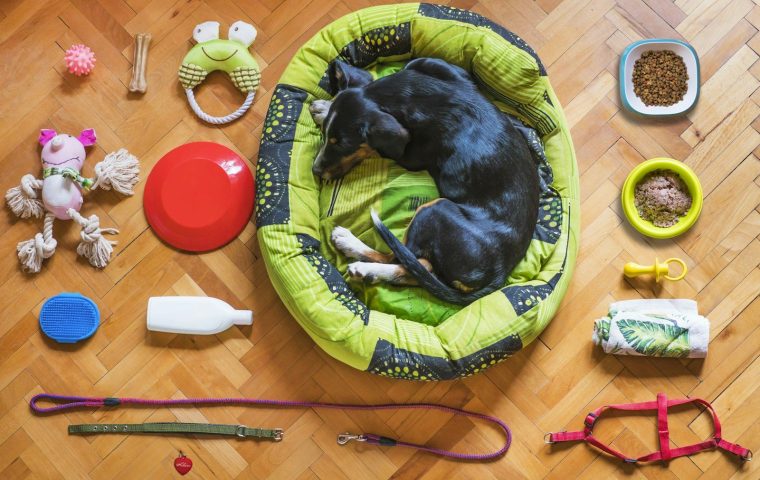
Most of what you need overlaps with the essential items new dog owners already keep at home, just doubled and travel-sized. Think collapsible bowls, a jug of the water your dog is used to, waste bags, a familiar blanket, and any medication in its original bottle.
Bring one item that smells like home and nothing else. A worn t-shirt or an unwashed bed cover gives an anxious dog a scent anchor in a strange motel room. Small thing, big comfort.
Water your dog actually drinks. Sudden changes in water source can upset a sensitive stomach mid-trip. Fill a couple of jugs from your home tap and refill along the way.
Choose a Restraint That Actually Holds
A loose dog is a hazard to itself and to you. In a sudden stop, an unsecured 40-pound dog becomes a heavy projectile, and even a calm rider can distract a driver at the worst moment.
There is no single right answer, so match the option to your dog's size, temperament, and your vehicle. Here is how the common choices compare.
| Option | Best for | Keep in mind |
|---|---|---|
| Crash-tested harness | Medium to large dogs who ride calmly | Look for real crash testing, not just a seatbelt loop; fit matters |
| Secured crate | Crate-trained dogs, nervous riders | Anchor it so it cannot slide; takes up cargo space |
| Back-seat barrier | SUVs and wagons with an active dog | Contains, but does not restrain in a crash |
| Booster seat | Small dogs who want to see out | Must clip to a harness, not the collar |
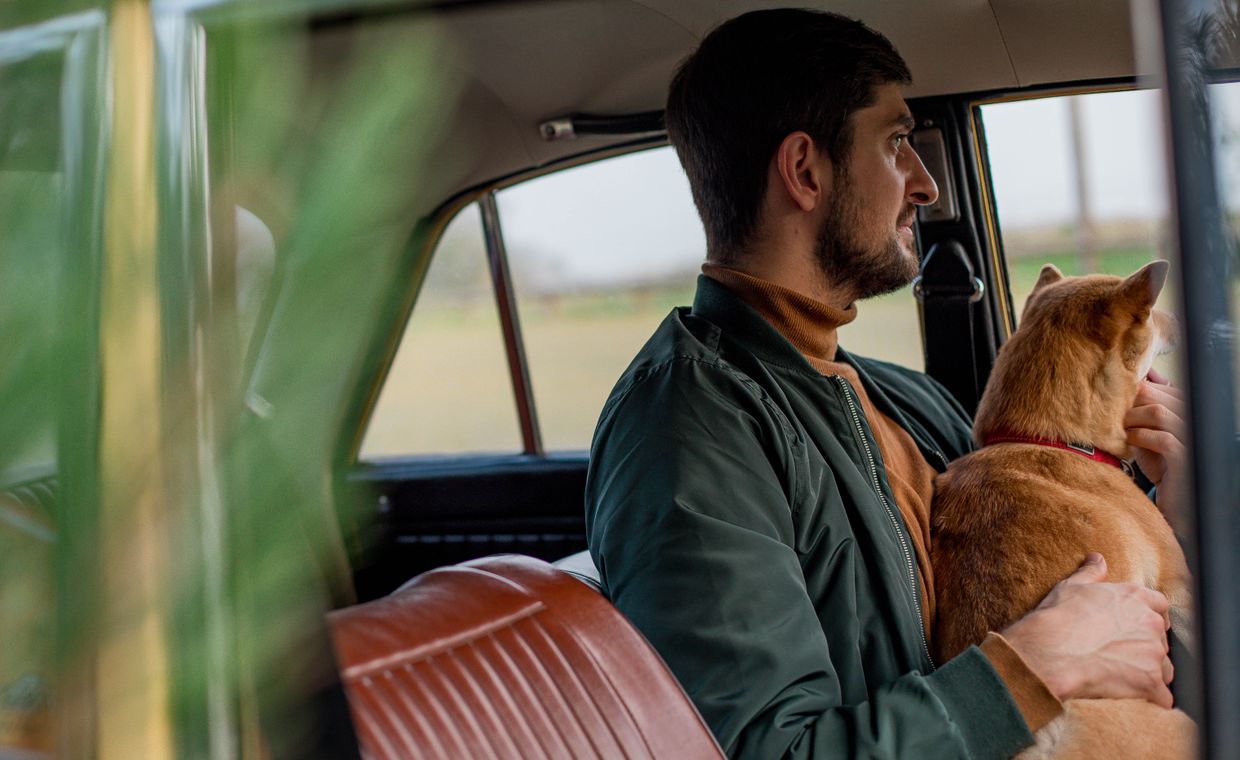
Whatever you pick, the back seat or cargo area is safer than the front. An airbag that saves a person can seriously injure a dog.
Handle Motion Sickness and Nerves
Puppies get carsick more than adults because the balance structures in the inner ear are still maturing. Many grow out of it, but you can ease the meantime.
Crack a window for airflow, keep the cabin cool, and aim for smooth acceleration and braking. Facing forward, rather than side to side, helps some dogs settle their stomachs.
The calming groundwork you would lay to prepare your pet for a calm vet visit transfers directly to the car: gradual exposure, a steady voice, and treats that mark good behavior. If sickness or panic is severe, talk to your vet before the trip about safe options. I am not going to guess at doses or drugs here, and neither should you.
Do not let your dog ride with its head out the window at speed, and never leave a dog in a parked car in warm weather. Interior temperatures climb dangerously fast, even with the windows cracked and even on a mild-looking day.
Time Your Stops Around the Dog, Not the Clock
Plan a real break every two to three hours. Dogs need to stretch, drink, empty their bladder, and reset their nervous system just like you do.
Clip the leash before you open any door. A dog that has been building energy for hours can launch out of a car faster than you expect, and highway shoulders are no place for a loose sprint.
Offer water at every stop, but keep meals light and spaced out until you arrive. Short walk, quick sniff, small drink, back in the restraint. Repeat.
A simple stop rhythm
- Leash on before the door opens
- Walk to a safe grassy spot away from traffic
- Offer water, let it settle for a minute
- Two or three minutes of sniffing to decompress
- Back in, praise, roll on
Help Your Dog Settle at the Destination
Arriving is not the finish line. A new room full of strange smells can undo a smooth drive if you rush it.
Set up the familiar bed and that home-scented item first, before anything else comes out of the car. Give your dog a slow tour on leash so the space stops being a surprise.
Keep the first evening low key. A tired dog from a long day of travel does better with a short walk and an early night than with a big adventure. Routine is the fastest way back to calm.
The short version: Practice short drives, feed light and early, restrain safely in the back, break every two to three hours, and bring one thing that smells like home. Prepared beats improvised every single time.
How often should I stop on a long drive with my dog?
Aim for a break every two to three hours so your dog can stretch, drink, and relieve itself. Puppies and senior dogs may need stops closer together.
Should I feed my dog before a road trip?
Give a light meal three to four hours before you leave rather than right before. A settled stomach greatly reduces the odds of car sickness in that first stressful stretch.
Is a harness or a crate safer in the car?
Both work well when used correctly. A properly fitted, crash-tested harness suits calm riders, while a securely anchored crate often reassures nervous or crate-trained dogs. Either belongs in the back, not the front.
Traveling with a dog rewards the owner who plans ahead and stays flexible on the day. Start the confidence-building early, pack with intention, and treat every rest stop as your dog's time, not a delay. Do that, and the miles get easier for both of you. Safe travels, and give that good dog a scratch behind the ears from me.